
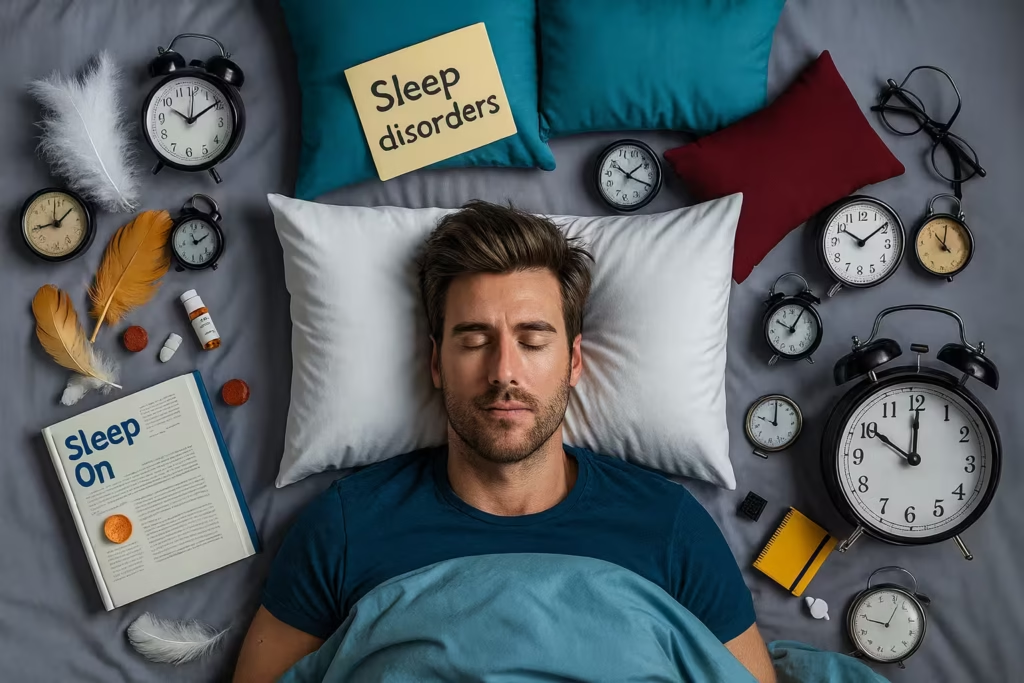
When you live with sleep disorders, the nights feel long, and the days feel even longer. You wake up tired, push yourself through work, try to stay alert in meetings, and hope you can somehow get through the day without losing focus. Even small plans like going for a walk, meeting someone, or helping your kids with homework begin to feel overwhelming because your body never gets the rest it needs. Many patients in Panchkula, Chandigarh, and across the Tricity tell me the same thing: “Doctor, I thought it was just stress.” But when sleep becomes unpredictable, it starts affecting mood, memory, energy, and even relationships.
The truth is, once sleep disorders begin controlling your routine, finding the right treatment is not only about falling asleep faster. It’s about getting your life back. In my 20+ years of experience as a neurologist, I’ve seen how restoring sleep can change someone’s confidence, health, and emotional strength. And you deserve that same relief, without guessing every night whether sleep will come or not.
What Are Sleep Disorders?
Sleep disorders are conditions where the brain is unable to maintain a healthy sleep cycle. This can happen in many ways some people can’t fall asleep, some wake up many times, some struggle with breathing issues like sleep apnea, and others sleep for hours yet still feel drained. These problems become more common with screen exposure, long working hours, and increasing lifestyle stress in cities like Panchkula and Chandigarh, where routines often stretch late into the night.
Common symptoms include:
- Difficulty falling asleep
- Waking up many times at night
- Feeling tired even after full sleep
- Loud snoring or pauses in breathing
- Restless legs or sudden jerks
- Morning fogginess or headaches
- Daytime sleepiness and irritability
The difference between simple tiredness and true sleep disorders is that simple tiredness improves with rest. Sleep disorders persist for weeks or months and begin affecting your health at a deeper level.
Signs You Should Never Ignore
So here’s what matters. Your brain sends early warnings long before sleep disorders reach severe stages. Many people brush them aside and blame stress, age, or busy schedules, but these signals are worth paying attention to. When the brain struggles to maintain sleep, it begins affecting energy, hormones, and mental clarity.
Red flags include:
- Snoring with choking or pauses in breathing
- Waking up tired every day
- Daytime sleepiness, poor concentration, or memory lapses
- Mood swings, anxiety, or irritability
- Morning headaches or dry mouth
- Nights of repeated insomnia symptoms
When such patterns repeat, your brain is telling you something is not right, and it needs support.
Common Myths About Sleep Disorders
Living and practicing in Panchkula and Chandigarh, I hear the same myths week after week. One myth is “I can fix this by sleeping early,” but timing alone doesn’t solve true neurological sleep disorders. Another is “This is only stress,” but stress is only a part of the picture. People also believe “Young people don’t get sleep disorders,” but I treat teenagers and young professionals with severe insomnia symptoms regularly. And there’s the myth “Snoring is harmless,” which is far from true snoring with pauses can be a sign of sleep apnea.
Here’s the truth I’ve learned in years of practice: clearing these myths gives patients clarity and control, and that itself becomes the first step toward recovery.
What Really Causes Sleep Disorders?
Let’s break it down. Sleep disorders don’t come from one single reason. They build up slowly due to changes in lifestyle, hormones, neurological patterns, or even local weather shifts that influence routine, especially in the Tricity where summers are hot, winters are intense, and people often rely heavily on screens. Many patients I see struggle because their work hours extend late, their meals are irregular, or their sleep environment isn’t ideal.
Common causes include:
- Hormonal imbalance
- Anxiety, mental fatigue, or stress
- Long-term screen exposure
- Sleep apnea and breathing issues
- Neurological conditions
- Irregular work shifts
- Pain conditions
- Noise or poor sleep environment
A study shows that circadian rhythm disruption is one of the leading causes of insomnia symptoms.
Quick Test: Do You Have a Sleep Disorder?
Here’s the thing. Most people don’t realise how many small signs point toward sleep disorders until they answer a few simple questions. So try this quick check. Just think “Yes” or “No” for each one and be honest with yourself.
Ask yourself:
- Do you need more than 30 minutes to fall asleep most nights?
- Do you wake up more than once or twice during the night?
- Do you feel tired even after a full night’s sleep?
- Has anyone told you that you snore loudly or stop breathing in your sleep?
- Do you feel foggy, sleepy, or low on energy during the day?
- Is your work, mood, or concentration getting affected because of poor sleep?
If three or more of these feel familiar, then your sleep cycle may be disrupted, and it’s a good time to get a proper evaluation done.
Why Home Remedies Don’t Work Long Term
Here’s the thing. Warm milk, soft music, screen breaks, herbal teas they all help for a few days, but they don’t correct the root cause. When the brain is not getting the right signals to sleep, short-term fixes cannot rebuild the deeper sleep cycle. Many patients try home remedies for weeks, only to return to the same sleepless nights. And when breathing issues like sleep apnea are involved, home remedies don’t help at all.
Self-medication is even more harmful. Some people start taking sleep tablets on their own, but these medicines disturb natural sleep architecture, create dependency, and make sleep disorders harder to treat. For meaningful improvement, we must first understand why your insomnia symptoms are happening. Once we identify the cause, treatment becomes clear and effective.
How We Treat It: The Dr. Anurag 2026 Protocol
Sleep disorder treatment in 2026 is far more precise than before. There is no one-size-fits-all plan because every patient has a unique sleep pattern, history, and set of triggers. In my clinic, we begin with a neurological evaluation, followed by sleep cycle analysis, oxygen monitoring for sleep apnea, and lifestyle assessment tailored to Tricity routines. This helps us map out exactly where the sleep cycle is breaking.
Treatment goals include:
- Reducing night awakenings
- Improving deep sleep stages
- Restoring morning energy and focus
- Reducing dependency on tablets
- Building a long-term natural sleep rhythm
When the brain finally receives the rest it needs, everything starts changing your mood becomes steadier, your work becomes easier, and your days feel lighter. I’ve watched this transformation in hundreds of patients.
The Next Step
You don’t have to figure this out alone. If your sleep problems are affecting your happiness, work, or daily energy, it’s time to take a step toward proper evaluation. Together, we can understand what’s happening inside your sleep cycle and why your body isn’t getting the rest it deserves. Good treatment brings stability, confidence, and a sense of control over your life again.
You can book a consultation with me, Dr. Anurag Lamba, in Panchkula. We’ll create a clear, safe, scientific plan designed specifically for your sleep disorder, your routine, and your long-term well-being.
Frequently Asked Questions (FAQ)
1. Do I need an MRI for sleep disorders?
Not always. MRI is needed only when neurological issues are suspected. Most sleep disorders are diagnosed through evaluation and sleep studies.
2. Are sleep disorders curable?
Many are fully treatable, and others show strong long-term improvement with consistent treatment.
3. How long does treatment take?
Some patients improve within 2–3 weeks, while others may take longer based on the severity of their insomnia symptoms.
4. Is lifestyle responsible?
Yes, factors like screen time, irregular routines, and stress in cities like Chandigarh often worsen symptoms.
5. Do I need a sleep study?
If you snore, stop breathing, or feel tired despite sleep, a sleep study can provide clear answers.
6. Are sleeping pills safe?
Only under supervision. Self-medication may worsen sleep disorders.
7. Is snoring normal?
Mild snoring is common, but loud snoring with choking may indicate sleep apnea.