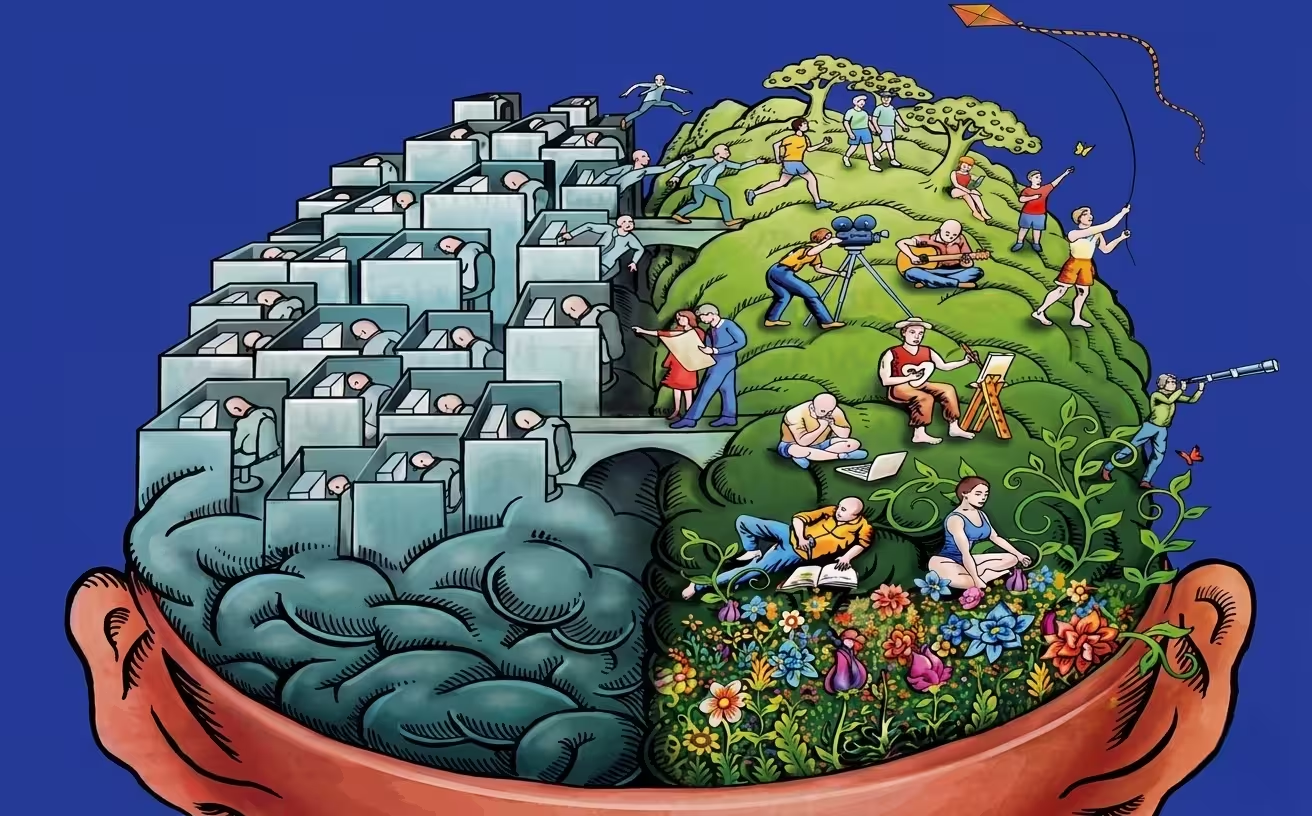
Life in your thirties and forties often feels busy and demanding. Work grows, responsibilities increase, and free time becomes limited. Because of this, many people rarely think about brain health in 30s and 40s. The focus stays on career, family, and financial stability. But your brain manages every decision, emotion, and memory you experience each day. Daily habits slowly shape how your brain functions. Long work hours, poor sleep, unhealthy food, and constant digital exposure can affect concentration and emotional balance. Over time, these habits begin to weaken memory and mental clarity.
Research shows that the effects of stress on brain health can gradually change how the brain handles information and emotions. According to Harvard Health Publishing, long-term stress may affect areas of the brain responsible for memory and mood. When combined with poor lifestyle and brain function, these patterns quietly harm brain health in 30s and 40s. Understanding this early helps you protect your mind for the future.
Why Brain Health in 30s and 40s Matters More Than Most People Think
Many people think serious brain problems happen only in old age. But the truth is different. Your thirties and forties are years when daily habits quietly shape brain health in 30s and 40s. Work pressure, lack of sleep, and constant digital activity slowly affect focus and memory. At the same time, mental health in your 30s and 40s often faces new pressure from career, family, and financial responsibilities. These factors together begin influencing how clearly and calmly your brain functions every day.
Why Early Adult Lifestyle Strongly Influences Brain Health in 30s and 40s
Your brain constantly adjusts to the life you live each day. During early adulthood, habits begin forming patterns that affect brain health in 30s and 40s for many years. If your routine includes stress, poor sleep, and long screen time, your brain slowly adapts to that pressure. Over time, these patterns may reduce attention, memory strength, and emotional balance.
Many people think these problems are normal signs of getting older. But often the real reason is poor lifestyle and brain function slowly losing balance. Small daily choices shape how well the brain processes information and handles stress.
Some common lifestyle habits that affect brain health include:
• Sleeping less than the body needs
• Working long hours without mental rest
• Eating food that lacks nutrients
• Spending most of the day sitting
The Long Term Cognitive Risks of Ignoring Brain Health in 30s and 40s
Most people rarely think about the long term impact of their daily habits. When work gets busy and responsibilities grow, taking care of the mind often becomes the last priority. But ignoring brain health in 30s and 40s can slowly create cognitive problems that appear later in life.
Here’s what often happens, the brain works under constant pressure for years. Stress builds, sleep decreases, and mental overload becomes normal. At the same time, habits that damage brain health start becoming routine without people realizing it.
Some warning patterns begin appearing during these years:
• Frequent mental fatigue during normal work
• Difficulty remembering small details
• Trouble focusing on simple tasks
• Feeling mentally drained even after rest
“The brain rarely breaks suddenly. It slowly reflects the habits you repeat for years.”
Effects of Stress on Brain Health in 30s and 40s
Stress has become part of daily life for many adults. Work deadlines, financial pressure, and constant digital activity keep the mind busy all day. Over time, this pressure begins affecting how the brain works. The effects of stress on brain health are not always obvious at first. But when stress stays for long periods, it can slowly influence memory, focus, and emotional balance. Understanding how stress changes the brain helps people protect their mental wellbeing during these important years.
Impact of Chronic Stress on the Brain and Memory
Long term stress changes how the brain processes information. When the body stays under pressure for long periods, the brain keeps releasing stress hormones. These hormones are useful in short situations, but constant exposure can affect thinking ability and emotional stability. This is where the impact of chronic stress on the brain becomes visible. Over time, stress can reduce mental clarity and make it harder to stay focused. Memory may also feel weaker during busy or demanding days.
Some common changes people notice include:
• Difficulty remembering small details
• Reduced ability to focus on tasks
• Feeling mentally tired during normal work
• Trouble staying calm in stressful situations
These patterns show how the effects of stress on brain health can slowly influence daily thinking and memory.
Warning Signs Stress Is Affecting Brain Health in 30s and 40s
Stress often builds slowly, which makes it easy to ignore early warning signs. Many adults assume constant fatigue or forgetfulness is normal during busy years. But these signals sometimes indicate that brain health in 30s and 40s is under pressure. When stress continues for long periods, the brain struggles to maintain balance. Focus becomes harder and mental energy drops faster than usual.
Some warning signs people experience include:
• Brain fog during normal daily tasks
• Difficulty concentrating for long periods
• Feeling mentally drained after simple work
• Increased irritability or emotional tension
Recognizing these patterns early is important. The effects of stress on brain health often begin with small changes in focus, memory, and mental energy. Paying attention to these signals helps people take steps to protect their mind before the pressure becomes stronger.
Poor Lifestyle and Brain Function: Hidden Habits That Damage Brain Health
Many people believe serious brain problems appear only with age. But daily lifestyle choices begin shaping the brain much earlier. Over time, poor lifestyle and brain function become closely connected. Irregular sleep, unhealthy food, and long hours of screen use slowly affect focus and mental energy. These patterns often feel normal in busy adult life. Yet many of them are habits that damage brain health when repeated every day. Understanding these hidden habits helps people notice small lifestyle problems before they begin affecting thinking ability and emotional balance.
Sleep Loss and Diet Problems That Damage Brain Health
Sleep and nutrition play a major role in how the brain performs each day. When sleep becomes irregular or too short, the brain does not get enough time to recover. Memory processing, focus, and emotional stability all depend on good sleep. Without it, mental clarity begins to drop.
Diet also affects how well the brain functions. The brain needs steady energy from healthy food to stay alert and balanced. When meals lack nutrients, concentration and mood may suffer.
Some common daily patterns that act as habits that damage brain health include:
• Sleeping late and waking up tired
• Skipping meals during busy workdays
• Eating high sugar or highly processed food
• Drinking excessive caffeine to stay alert
These routines slowly create poor lifestyle and brain function patterns. Over time, the brain may struggle to maintain stable attention and clear thinking.
Digital Overload and Sedentary Life Affecting Brain Function
Modern work and entertainment often keep people sitting for long hours. At the same time, phones and computers demand constant attention. This combination creates mental overload. When the brain receives continuous digital input, it has less time to rest and process information. Many people check screens repeatedly throughout the day. This habit keeps the mind switching tasks frequently, which reduces deep focus.
Some everyday routines that contribute to poor lifestyle and brain function include:
• Sitting for most of the workday
• Checking phones repeatedly during tasks
• Spending late nights on screens
• Reducing outdoor physical activity
Over time, these routines become habits that damage brain health. The brain may begin feeling mentally tired faster, and sustained concentration becomes harder during work or study.
Mental Health in Your 30s and 40s and the Growing Pressure of Modern Life
Adult life often becomes more demanding during these years. Careers become serious, financial responsibilities grow, and family expectations increase. All these pressures begin affecting mental health in your 30s and 40s in subtle ways. Many people feel constant mental pressure but rarely pause to understand what the brain is experiencing. Over time, the impact of chronic stress on the brain begins influencing mood, patience, and emotional stability. When pressure stays for long periods, the mind struggles to maintain balance between work demands and personal wellbeing.
Work Pressure and Financial Stress Affecting Mental Health in Your 30s and 40s
Work pressure often increases during these years. Many people try to balance career growth, financial planning, and family responsibilities at the same time. These challenges slowly affect mental health in your 30s and 40s. When daily responsibilities keep increasing, the mind stays in a constant state of pressure. Financial concerns can also create long lasting stress. Loans, savings goals, and rising expenses add mental weight that many people carry silently.
Some common pressures adults experience include:
• Long working hours and tight deadlines
• Financial responsibilities and monthly expenses
• Job insecurity or career uncertainty
• Balancing family duties with work demands
Over time, these pressures contribute to the effects of stress on brain health. Continuous mental strain can make concentration harder and reduce emotional patience.
Emotional Burnout and the Impact of Chronic Stress on the Brain
When stress continues for long periods, emotional burnout may begin to appear. Burnout often develops slowly, which makes it difficult to recognize at first. People may feel constantly tired, mentally drained, or less motivated to complete normal tasks. The impact of chronic stress on the brain becomes clearer when emotional energy stays low for long periods. Stress hormones remain active, and the brain struggles to recover properly.
Some common signs of burnout include:
• Feeling mentally exhausted most days
• Losing interest in daily work or responsibilities
• Difficulty relaxing even during free time
• Reduced patience in normal situations
These patterns show how the impact of chronic stress on the brain can influence mood and focus. When emotional pressure stays high, mental health in your 30s and 40s may gradually weaken without proper rest and recovery.
Simple Lifestyle Changes to Improve Brain Health in 30s and 40s
Many people think protecting the brain requires big changes. In reality, small daily improvements can make a strong difference. When routines become healthier, the connection between poor lifestyle and brain function begins to improve. The brain responds well to stable habits such as regular sleep, balanced food, and mental rest. These simple choices support brain health in 30s and 40s and help maintain focus, memory, and emotional balance. Building a healthy routine early allows the brain to handle pressure better during demanding years of adult life.
Stress Management Strategies That Protect Brain Health
Stress cannot always be avoided, but it can be managed in healthy ways. When the mind gets regular breaks, the brain can recover from daily pressure. Without proper stress management, the effects of stress on brain health slowly begin affecting focus and emotional balance.
Simple techniques can help reduce mental pressure during busy routines. These practices allow the brain to relax and regain clarity during stressful situations.
Some helpful stress management strategies include:
• Taking short breaks during long work hours
• Practicing slow breathing to calm the mind
• Spending time in quiet environments without screens
• Walking outside to refresh mental energy
These habits support brain health in 30s and 40s by reducing constant mental pressure. When the brain receives regular moments of rest, it processes information more clearly and handles challenges with better emotional control.
Healthy Daily Habits That Strengthen Brain Health in 30s and 40s
Daily routines shape how the brain performs over time. When people follow stable habits, the brain stays active and balanced. Building these routines early supports brain health in 30s and 40s and helps maintain long term cognitive strength. Simple actions during the day can strengthen thinking ability and mental clarity.
Some useful daily habits include:
• Maintaining regular sleep and wake times
• Eating balanced meals that provide steady energy
• Staying physically active through walking or exercise
• Taking short mental breaks during work
These routines help prevent habits that damage brain health and support steady brain function. When daily habits remain consistent, brain health in 30s and 40s becomes easier to protect and maintain over the long term.
Conclusion
Your thirties and forties are busy years, but they are also important for protecting the mind. The habits you follow during this stage slowly shape brain health in 30s and 40s. Constant stress, irregular sleep, poor diet, and long screen time can quietly affect memory, focus, and emotional balance. Many people ignore these early signals because the changes appear slowly.
But small daily improvements can make a strong difference. Managing stress, sleeping well, eating balanced food, and staying active support healthy brain function. When you take care of your mind during these years, you build a stronger foundation for future mental clarity. Protecting the brain does not require extreme changes. Consistent, healthy habits practiced every day help maintain brain health in 30s and 40s and support long-term mental wellbeing.