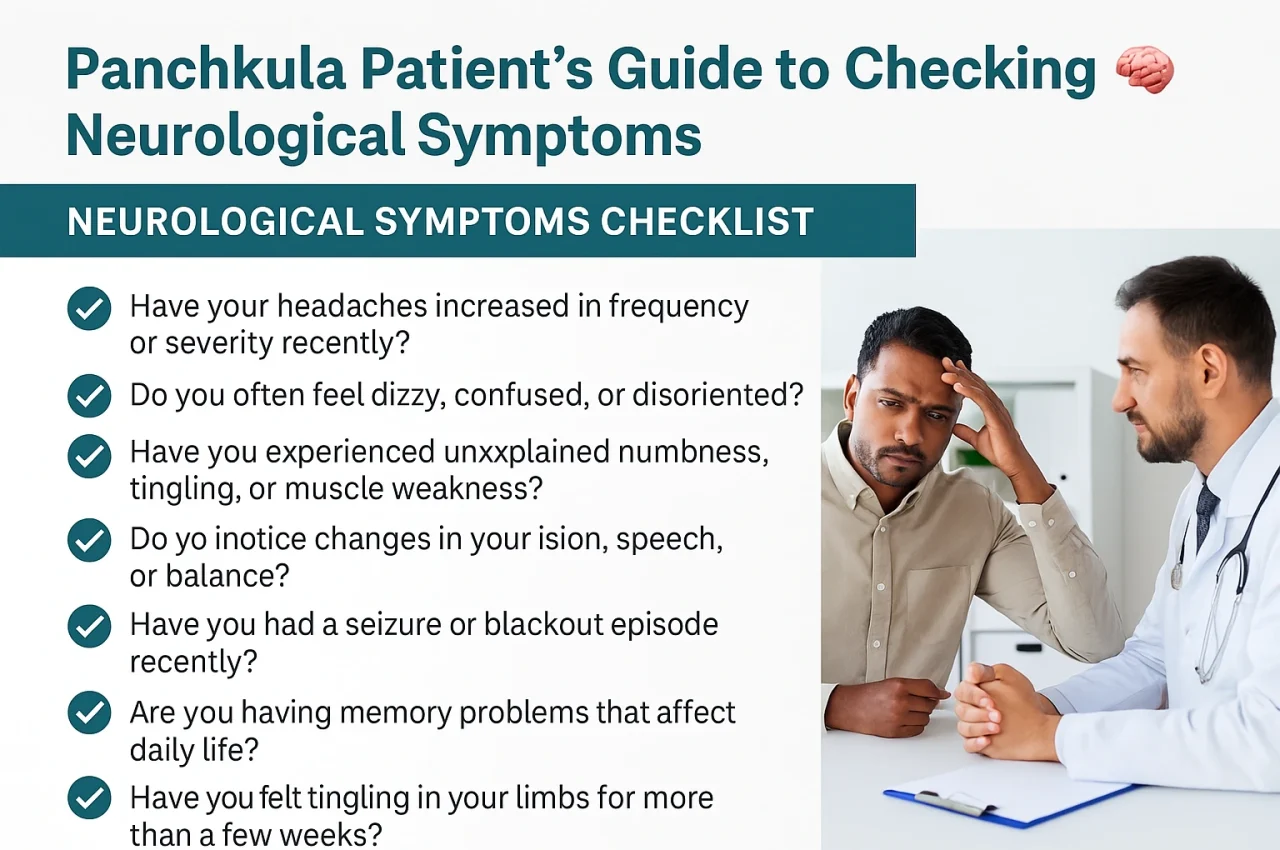


Have you ever felt a strange tingling in your feet after a long day and brushed it off, thinking it’s just tiredness? You’re not alone. Many people in Panchkula with diabetes start noticing mild numbness or burning in their toes long before they realize it’s actually a sign of nerve trouble. This condition, known as diabetic neuropathy Panchkula, happens when high blood sugar quietly damages the nerves that carry signals between your brain, feet, and hands.
The problem is, diabetic neuropathy doesn’t show up overnight. It builds slowly. You might feel tingling in diabetic feet one week and mild muscle weakness the next. Over time, that small discomfort can turn into sharp pain, burning sensations, or loss of feeling altogether. Most people don’t notice it until it starts interfering with daily life, like walking barefoot or feeling the floor under their feet.
Here’s the thing diabetes nerve pain is not just a symptom of high sugar levels. It’s your body’s way of asking for attention. When blood sugar stays high for too long, it blocks oxygen and nutrients from reaching your nerves. The result? The delicate nerve fibers begin to wear down. You may not feel it immediately, but the damage continues quietly beneath the surface.
In a city like Panchkula, where sedentary jobs and stress-driven lifestyles are common, high blood sugar neuropathy is rising fast. But the good news is that catching it early can make a big difference. Simple actions like getting regular nerve check-ups, maintaining balanced sugar levels, and eating nutrient-rich foods can help stop the damage before it becomes permanent.
“Your nerves speak softly before they go silent. Listen while they whisper.”
What Is Diabetic Neuropathy and Why It Happens
How high blood sugar affects your nerves
Here’s the thing when your blood sugar stays high for too long, it starts damaging the tiny blood vessels that feed your nerves. These vessels work like small pipelines, carrying oxygen and nutrients. Over time, extra sugar in your blood makes these vessels weak, and that slows down nerve repair. So, it’s not just about sugar levels in your reports; it’s about how consistently your nerves get the food they need. In Panchkula’s warm climate, even small lifestyle changes like walking after meals or keeping hydrated can help maintain circulation and protect nerve health.
You might not feel anything at first. But slowly, numbness, burning, or that classic “pins and needles” feeling can show up. That’s your body’s quiet warning. Once you start noticing this, it’s time to take consistent care instead of waiting for medication alone. Simple habits like stretching your legs daily or checking your feet before bed make a big difference. According to the study, long-term high glucose levels directly weaken nerve fibers.
“Every rise in sugar silently whispers to your nerves.”
Diabetes nerve pain – why it starts in the feet and legs first
You’ve probably noticed that diabetic nerve pain mostly begins in your feet and legs. Ever wondered why? Here’s what I think it’s because those nerves are farthest from your spinal cord, which makes them the most sensitive to blood flow changes. When the smallest vessels there get weak, the oxygen supply drops first in those areas. That’s why discomfort or numbness usually creeps up from your toes.
Your feet carry your weight all day, and the constant pressure can worsen damaged nerves. That’s also why good footwear and daily foot checks matter so much in Panchkula, where climate and humidity make infections easy to miss. Try to keep your toenails trimmed and wear breathable shoes tiny steps that reduce nerve stress. And don’t ignore mild foot pain or tingling; these are signs worth talking about early with your doctor.
“Feet feel before you think they tell the truth first.”
Early Signs of Diabetic Neuropathy Panchkula Residents Should Watch Out For
If you have diabetes, your nerves often start sending quiet signals long before any real pain begins. In most diabetic neuropathy Panchkula cases, the first symptoms appear in your feet and legs. These are early warnings that your nerves are struggling to handle rising sugar levels. Recognizing them early can help prevent long-term damage. The signs are subtle but meaningful, especially for people living with diabetes in Panchkula.
Tingling in Diabetic Feet – The First and Most Ignored Symptom
That faint pins-and-needles feeling in your feet after walking or sitting isn’t always just tiredness. For many people with diabetic neuropathy Panchkula, it’s the first whisper of nerve damage caused by high blood sugar neuropathy. This tingling in diabetic feet might seem harmless, but it’s your body’s way of warning that nerves are starting to lose their sensitivity.
You might notice these early diabetes nerve pain patterns:
- Tingling that begins in the toes or soles and spreads upward
- Flickering or intermittent sensations that get stronger over time
- Persistent burning or vibration in the feet
- Tingling that worsens at night or when resting
Some people describe their feet as “buzzing” or “feeling like pins under the skin.” Others say their soles feel numb even when walking. These early nerve damage symptoms are common among those with diabetic neuropathy Panchkula, but often ignored until they become painful. Catching them now can make recovery much easier later.
“Your feet speak before your blood reports do don’t wait until the pain becomes your reminder.”
Numbness, Burning, or Pain at Night – Signs of Worsening Nerve Sensitivity
When tingling isn’t enough to catch your attention, things can escalate. The nerves can become hypersensitive, causing:
- A burning sensation or stinging pain
- Dull numbness in parts of the feet
- Pain that wakes you up at night
- Feet feeling “dead” or unresponsive
“Silent numbness is a loud warning if you know how to hear it.”
Muscle Weakness and Balance Issues Due to Diabetic Nerve Damage
Your nerves help muscles respond to orders from your brain. When nerve function declines, even walking or lifting your foot can tell a story. You might notice:
- Weakness when pushing off the ground
- Difficulty climbing stairs or standing on toes
- Stumbling, tripping, or imbalance
- Legs feeling “heavy” or fatigued faster than usual
In Panchkula’s terrain, where you might walk on uneven paths or tiles, early muscle weakness can lead to falls or injuries. That’s why any new weakness is a red flag.
The Science Behind High Blood Sugar and Nerve Damage
You’ve probably heard that diabetes affects blood sugar, but here’s the real story high sugar doesn’t just stay in your bloodstream. Over time, it seeps into the tiny vessels that feed your nerves, damaging them bit by bit. That’s how diabetic neuropathy Panchkula cases begin for many people.
When your sugar levels stay high for months or years, three major things happen:
- The small blood vessels that supply oxygen to your nerves start narrowing.
- Sugar molecules stick to your nerve proteins, slowing their response.
- The nerves’ protective coating (called myelin) weakens, leaving them exposed.
The result is that your nerves can’t send clear signals. Some overfire, causing burning or shooting pain. Others go silent, leading to numbness. It’s a gradual process, so most people miss the early signs.
According to study, long-term high blood sugar causes oxidative stress that directly injures nerve cells and blood vessel walls.
“You won’t always feel pain at first, but silence from your nerves is never a good sign.
Why It Starts in the Feet First
Here’s the thing your feet are the farthest from your heart, which means they’re the last to get oxygen and nutrients. When blood flow slows because of diabetes, your foot nerves suffer first.
That’s why diabetes nerve pain usually starts as tingling or burning in your toes. The damage moves upward with time, eventually affecting legs and even hands. The pattern is often called “stocking-glove” neuropathy because it feels like you’re wearing invisible socks or gloves made of static.
You might notice:
- Tingling in diabetic feet after walking or sitting too long
- Loss of sensation while standing on uneven ground
- Pain that feels worse at night when you lie down
“The first warning of diabetes often starts at your feet listen before it travels upward.”
Types of Diabetic Neuropathy and How They Affect Your Body
Here’s the thing not all nerve problems in diabetes feel the same. Some affect your feet, others your hands, and a few even impact your digestion or heart. Understanding which type you might have helps your neurologist in Panchkula plan the right treatment before it spreads.
Peripheral Neuropathy – The Most Common Type
This is the one most people mean when they talk about diabetic neuropathy Panchkula cases. It mainly affects your feet and legs, though hands can join in later.
You may notice:
- Tingling in diabetic feet that gets worse at night
- Burning or stabbing pain in toes and soles
- Numbness making it hard to feel heat or cold
- Foot injuries that heal slowly because you don’t feel them
Peripheral neuropathy happens when high blood sugar neuropathy damages the longest nerves first those that reach your feet. According to the Cleveland Clinic, almost 50% of people with long-term diabetes develop this form of nerve damage.
“Your feet are where diabetes often speaks first through pain, tingling, or silence.”
Autonomic Neuropathy When Internal Nerves Are Affected
This type targets nerves that manage your internal organs. It may sound surprising, but diabetes can affect digestion, bladder control, even heart rate.
You might notice:
- Dizziness when standing up quickly
- Bloating, nausea, or changes in appetite
- Sudden sweating or feeling faint after meals
- Irregular heartbeat or low blood pressure
It’s less visible than diabetes nerve pain, but equally serious. When sugar levels remain high, the nerves that control involuntary functions lose coordination.
“Not all nerve pain can be seen. Sometimes, it’s the quiet organs that suffer the most.”
Proximal and Focal Neuropathy – The Less Common but Painful Types
While tingling in diabetic feet is the most common symptom, some people develop pain in thighs, hips, or shoulders instead. That’s called proximal neuropathy. It can cause sudden weakness in one leg, making it hard to stand or climb stairs.
Focal neuropathy, on the other hand, hits specific nerves like those in your face or chest. It may cause double vision, facial paralysis, or sharp pain in one area.
Though rare, both types are linked to long-term high blood sugar neuropathy and poor circulation.
Conclusion: Don’t Ignore the Early Signs of Diabetic Neuropathy Panchkula
Nerve problems caused by diabetes often start quietly, but they don’t stay silent for long. If you’ve been noticing tingling in diabetic feet, burning at night, or slow-healing cuts, your nerves may already be asking for help.
Managing sugar levels, eating vitamin-rich foods, and staying active can slow or even stop diabetes nerve pain from getting worse. In most diabetic neuropathy Panchkula cases, early action makes recovery faster and easier.
If you live in Panchkula and notice any signs of high blood sugar neuropathy, don’t wait. A short visit to your neurologist for a Nerve Conduction Test or vitamin check can reveal what’s really happening.
“Healthy nerves don’t shout they whisper. The smart move is to listen before they go quiet.”