
Dizziness is often dismissed as something temporary, usually blamed on tiredness or daily stress. But when the feeling of imbalance keeps returning – while walking, turning the head, or standing still it usually points to a deeper issue. Vertigo is not just a sensation of spinning. In many cases, it reflects a problem in the body’s balance system that controls stability and movement.
What makes balance problems difficult is how quietly they develop. The symptoms may begin mildly and gradually interfere with routine activities, reducing confidence over time. When this happens, waiting for the problem to resolve on its own rarely helps. Understanding why these symptoms occur is the first step toward effective vertigo treatment in Panchkula and long-term relief.
How Balance Disorders and the Inner Ear Cause Vertigo?
Balance is not controlled by a single organ. It is a coordination job. The inner ear, eyes, muscles, and brain constantly exchange signals to keep the body steady. When this system works well, movement feels natural. When it does not, the brain receives mixed messages, and vertigo begins.
The inner ear plays a central role here. Inside it is the balance mechanism that senses head movement and position. If this system is disturbed, the brain may think the body is moving when it is not. That confusion often shows up as dizziness, spinning, or a feeling of being pulled to one side—symptoms that commonly bring people to seek vertigo treatment in Panchkula.
This is why many people with balance disorders notice symptoms during simple actions such as:
- Turning the head quickly
- Getting out of bed
- Walking in a straight line
- Looking up or bending down
Over time, repeated faulty signals can make the problem feel constant rather than occasional. The body starts compensating in unhealthy ways, which is why loss of balance while walking and unsteadiness and spinning sensation tend to worsen when such balance disorder treatment is delayed.
Vertigo, in most cases, is not random. It is the body signalling that the balance system needs attention, not avoidance.
Symptoms That Signal a Balance Disorder, Not Just Dizziness
Not all dizziness feels the same. These differences matter, because they often point toward a balance disorder rather than a temporary spell of light-headedness. In population studies on balance complaints, vestibular causes (inner ear and related systems) were found in a notable share of participants, often explaining persistent symptoms.
What usually gets ignored is how these symptoms behave over time. They don’t come once and vanish. Slowly, they begin to interfere with daily routines.
Common signs that suggest vertigo and balance issues include:
- A sense of movement when standing still
- Difficulty walking straight or feeling unsteady on turns
- Worsening symptoms with head or body movement
- A floating or heavy-headed feeling that lasts for days
- Episodes of dizziness that return without warning
When such symptoms persist, they often indicate a deeper balance-related problem. This is especially true in cases of chronic dizziness treatment, where the body has already started adapting to faulty balance signals instead of correcting them. Ignoring these warning signs does not make the system reset itself. It usually allows the imbalance to settle in more firmly.
How Vertigo and Balance Disorders Are Diagnosed and Treated
Vertigo is often misunderstood because people expect a single test or a quick pill to fix it. That rarely works. Balance problems need to be understood first, not rushed into treatment. Research shows that around 15–20% of adults experience dizziness or vertigo each year, making it one of the most frequent reasons for balance-related medical visits .
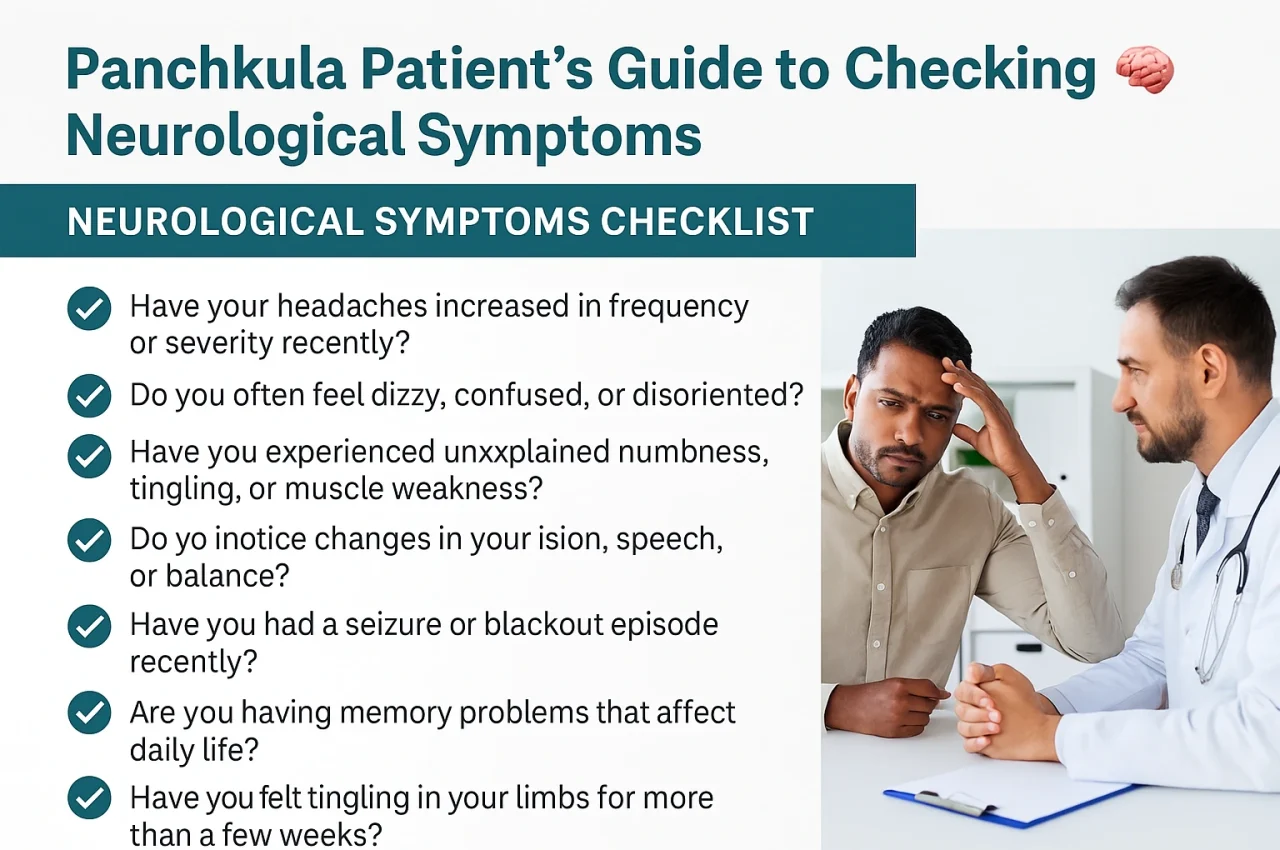
Diagnosis usually begins with a careful clinical assessment. A specialist looks at how symptoms behave – what triggers them, how long they last, and how they affect movement. Simple balance checks and head-movement tests often reveal more than scans alone. Self-medication, on the other hand, tends to blur symptoms and delay real improvement.
Treatment depends on the cause, not just the discomfort. In many cases, effective balance disorder treatment focuses on correcting faulty balance signals rather than suppressing them.
This may include:
- Guided head-position techniques to reset balance signals
- Targeted balance exercises that retrain coordination
- Short-term medication only when symptoms are severe
When approached correctly, vertigo treatment in Panchkula is usually structured, gradual, and non-invasive. Relief does not come from doing more, but from doing the right things in the right order.
When to Consult a Vertigo Specialist in Panchkula
Not every dizzy spell needs medical attention. But when balance problems start shaping daily choices, it’s time to stop waiting. The key sign is impact. If symptoms begin to limit confidence, or routine activities, professional evaluation matters.
A consultation is usually needed when:
- Dizziness returns repeatedly or lasts for weeks
- Walking feels uncertain or unsteady
- Head movements trigger spinning sensations
- Daily tasks are avoided due to fear of imbalance
At this stage, delaying care often makes recovery slower, not simpler. A vertigo specialist in Panchkula focuses on identifying the exact source of imbalance and correcting it, rather than masking symptoms. Early guidance often shortens recovery time and prevents the condition from becoming chronic.
What Recovery From Vertigo Usually Looks Like
Recovery from vertigo is rarely instant, and that’s important to understand early. Many people expect balance to return overnight. In reality, improvement happens in stages. The first change most notice is stability. Walking feels more controlled. Sudden head movements stop triggering panic. Confidence begins to return before symptoms disappear completely.
With the right chronic dizziness treatment, the balance system gradually relearns how to respond correctly. Some days feel better than others, and that inconsistency can be frustrating. Still, it is a normal part of recovery, not a setback.
What usually improves first:
- Reduced spinning episodes
- Better control while walking
- Less fear during movement
When vertigo treatment in Panchkula is guided properly, most balance disorders respond well. The goal is not just symptom relief, but restoring trust in the body’s ability to stay steady again.
Finding Your Balance Starts With the Right Guidance
Vertigo is not something to push aside or learn to live with. When balance feels unreliable, it affects far more than movement – it affects confidence, independence, and peace of mind. The good news is that most balance disorders respond well when the cause is understood and treatment is guided correctly. Paying attention to early signs and seeking timely vertigo treatment in Panchkula can prevent symptoms from settling in and becoming harder to reverse. Steadiness, for most people, is not lost forever; it just needs the right path back.
When vertigo is managed through a structured, expert-led approach, recovery tends to feel clearer and far less overwhelming. Guidance from a vertigo specialist in Panchkula, such as Dr. Anurag Lamba, who understands how balance disorders actually affect daily life, can help people regain confidence instead of slowly reshaping their routines around uncertainty.
Medical Disclaimer: This content is intended for general information and educational purposes only. It is not a substitute for professional medical advice, diagnosis, or treatment. Individuals experiencing dizziness or balance problems should consult a qualified healthcare professional for personalised evaluation and care.