

If you live with migraine or chronic headache, you already know how much it affects daily life. Work becomes harder. Concentration slips. Even small plans feel stressful because pain can hit anytime. Many people think headaches are normal, but when they keep returning, there’s usually a deeper reason. And once the pain starts controlling your day, finding the right migraine treatment is not just about relief, it is about getting your life back.
Well, here’s the thing. Migraine and chronic headache are not the same. Knowing the difference helps you understand what your body is going through and when you should get proper medical care.
What Is a Migraine?
Migraine is not “just a headache.” It is a neurological condition. When someone gets a migraine, they may feel:
- Throbbing pain on one or both sides of the head
- Sensitivity to light and sounds
- Nausea or vomiting
- Vision changes like flashing lights or blind spots
- Pain worsens with movement
A migraine attack can last for hours or even days. Some people get it once a month. Some get it multiple times a week. The frequency varies for each person, and so does the severity.
What Is a Chronic Headache?
A chronic headache is when a headache appears 15 days or more in a month for at least 3 months. The pain may be mild or strong, but it keeps coming again and again. Unlike migraine, chronic headache may not always trigger nausea or sensitivity to light, but it constantly disturbs your routine.
Common signs include:
- Constant pressure or tightness on the head or neck
- Pain on both sides instead of one
- Head feels heavy or dull throughout the day
- Lack of focus and low energy
So here’s what matters. If headaches appear too often, it is not because “you are stressed” or “you are weak.” There is always a neurological reason that needs attention.
Symptoms You Should Never Ignore
You don’t need to wait until the pain becomes unbearable. If you notice these signs, it is better to get medical care soon:
- Headache that keeps coming back again and again
- Headache with dizziness or balance issues
- Headache with blurred or double vision
- Headache after injury, falls, or road accidents
- Headache with weakness, numbness, or tingling
- Headache disturbing sleep or daily activities
When symptoms feel predictable, many people learn to live with them. But when the brain sends repeated pain signals, it is telling you something is not right.
Common Myths About Migraine and Headache
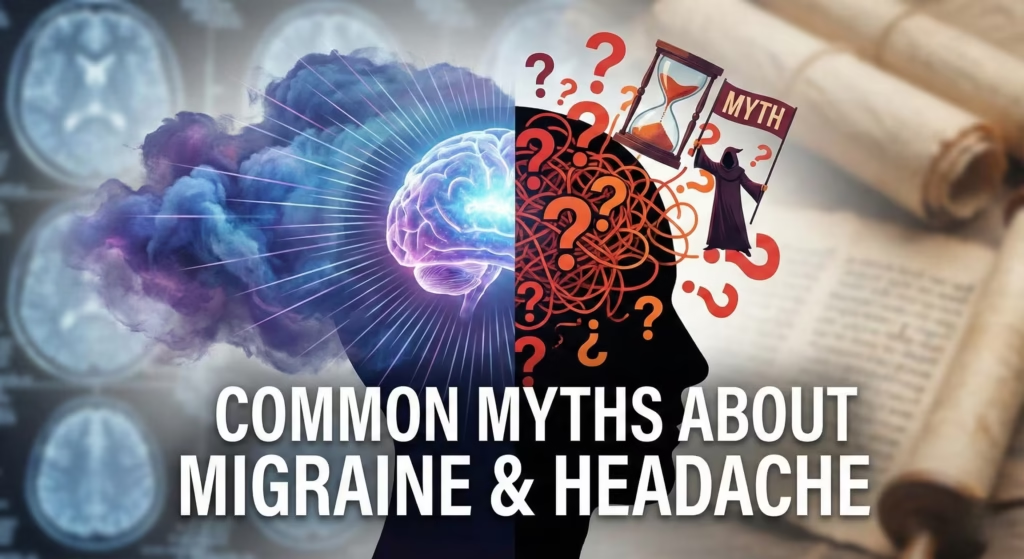
Here are common misunderstandings many people believe:
- “It’s fine if I take painkillers every time.”
Regular painkillers can make the condition worse over time. - “Headaches only happen because of stress.”
Stress may worsen pain, but the root cause can be neurological. - “Eye-checkup will fix everything.”
Vision strain may trigger headache but the real cause may be inside the brain. - “Migraine is only for women.”
Anyone can get migraine. Men and children get it too. - “I just need more rest.”
Rest brings momentary relief but does not fix the core problem. - “Nothing can cure migraine. I have to live with it.”
There are effective long-term management strategies with medical care.
These myths stop many people from getting the support they need. And pain keeps getting silent control over their life.
What Really Causes Migraine and Chronic Headache?
There is no one single reason. It depends person to person. Some of the known triggers include:
- Hormonal changes
- Sleep imbalance
- Stress and anxiety
- Dehydration
- Food habits
- Weather changes
- Nerve sensitivity
- Neurological disorders
You can see how different this is for each person. So, what works for one person may not work for another.
How to Know if It Is Migraine or a Normal Headache
Many people use the word “headache” for every type of head pain, but migraine and normal headache are not the same. Knowing the difference is critical because standard headache treatment often fails against a true migraine. Understanding this distinction helps you decide when to seek medical attention for specialized migraine treatment.
Normal Headache
A normal headache usually has these signs:
- Pain feels like light pressure or tightness on the head
- Pain is mild to medium
- You can continue daily work, talk to people, and focus on tasks
- No vomiting and no major dizziness
- Light and noise do not make the pain worse
- Pain settles after rest, sleep, water, or a simple painkiller
In short, a normal headache causes discomfort but does not stop you from living your day.
Migraine
Here is the revised section with headache treatment and migraine treatment integrated naturally:
Migraine pain is stronger and very different from a normal headache, which explains why basic headache treatment often provides little relief. Common signs include:
- Throbbing or beating pain rather than simple pressure
- Pain mostly on one side of the head, sometimes both
- Light, sound, or smells feel too strong and uncomfortable
- Nausea or vomiting may happen during pain
- Pain increases when you walk, bend, move, or talk
- You feel the need to lie down in a dark and quiet room
- Pain can last for several hours or even days
In short, while a normal headache is annoying, migraine pain forces you to stop your daily routine completely, signaling the need for a specific migraine treatment plan.
Quick Test to Identify Migraine
These questions can guide you:
| Question | If the answer is Yes |
|---|---|
| Do you feel vomiting during the headache? | Most likely migraine |
| Does light or noise make pain worse? | Most likely migraine |
| Is the pain very strong and throbbing? | Most likely migraine |
| Is the pain mostly on one side of the head? | Most likely migraine |
| Does the pain last many hours or days? | Most likely migraine |
| Do you stop daily activities because of pain? | Most likely migraine |
“If three or more answers are “yes”, the pain is most likely migraine rather than a normal headache, indicating the need for specialized migraine treatment.”
When You Should Meet a Neurologist
Here is the revised section with both headache treatment and migraine treatment integrated naturally:
It is important to consult a neurologist when:
- Headache keeps coming again and again
- Painkillers are giving less relief than before
- Headache affects work, sleep, or mood
- Headache started after an injury or accident
- Pain appears with numbness, weakness, dizziness, or vision problems
You do not need to wait for the pain to become unbearable. Whether you need effective headache treatment or specialized migraine treatment, early medical care helps reduce episodes and brings long-term relief. to wait for the pain to become unbearable. Early medical care helps reduce episodes and brings long-term relief.
Why General Home Remedies Don’t Work Long Term
People usually try:
- Coffee
- Ice packs
- Painkillers
- Sleeping in dark room
- Massage
- Skipping screens
- Changing diet
These might reduce the pain for a few hours, but the attack often returns because the root cause remains untreated. Effective migraine treatment and headache treatment work best only when the exact reason is identified based on your medical history, symptoms, and patterns
How Proper Treatment Helps
When proper migraine treatment or headache treatment begins at the right time, it brings changes like:
- Reduced frequency of attacks
- Shorter duration of pain
- Less dependence on painkillers
- Better sleep and mood
- Improved productivity and daily activities
- Confidence to plan daily life again
You may wonder… is there one single best solution? The honest answer is no. The most effective migraine treatment is always customized. For one person, medication helps. For another, trigger management makes the biggest difference matters.
Why Consultation Matters More Than Self-Medication
Here’s the thing. Migraine and chronic headache are complex neurological conditions. They don’t get better only by avoiding stress or using temporary home remedies. While rest provides a break, it is not a substitute for medical headache treatment that targets the root cause. Similarly, relying on sleep alone is rarely enough for effective migraine treatment.
And taking constant painkillers can actually backfire, leading to “medication overuse headache,” which makes the pain cycle even harder to break. This is why self-medication is rarely a sustainable solution for safe headache treatment.
A neurologist doesn’t just aim to reduce pain for a few hours. The goal is to stop pain from controlling your life entirely. A specialized migraine treatment plan focuses on prevention, not just reaction.
That is why medical consultation is the safest and most reliable path. With expert guidance, pain relief becomes steady rather than temporary. Episodes requiring urgent headache treatment become far less frequent, and the fear of the next attack fades away. Ultimately, the right migraine treatment ensures that life starts to feel normal again, allowing you to plan your days with confidence.
Why Consider Meeting a Neurologist
If pain is affecting your work, sleep, mood, or confidence… it’s time to take care of your health. A neurologist helps you:
- Identify the exact cause
- Prevent attacks before they start
- Manage triggers that affect your brain
- Reduce dependency on painkillers
- Regain control of your everyday routine
When the brain heals, your whole life heals with it.
The Next Step
ou don’t need to figure this out alone. A detailed evaluation by a specialist is the first step toward finding the right migraine treatment plan. This approach ensures that your migraine treatment is safe, scientific, and designed specifically around what your body needs
If you feel your headaches are affecting your happiness, work, or peace of mind, you deserve the right care. You can book a consultation with the neurologist Dr Anurag Lamba, and get support based on your personal symptoms and history.