Have you ever felt a sudden burning sensation in your feet, like you are walking on hot coals? Or perhaps a tingling “pins and needles” feeling in your hands that just won’t go away? Many people dismiss this as their limb “falling asleep.” But when it happens often, it is usually a sign of Neuropathy (Nerve Weakness).
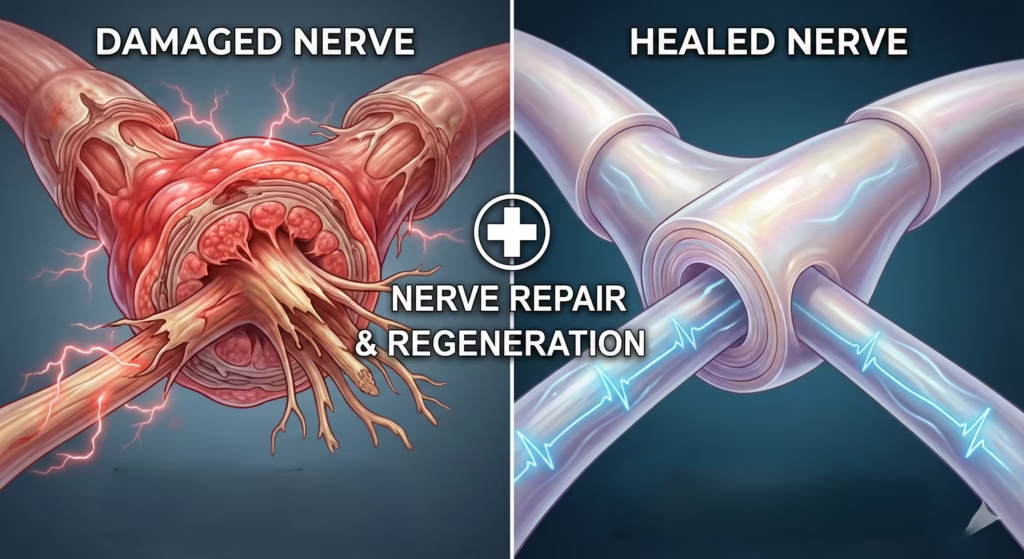
Nerve damage is invisible, but the impact on your life is very real. It starts with minor annoyance dropping a cup because your grip is weak or feeling unsteady when you walk in the dark. If left untreated, nerve weakness treatment becomes more complex as the damage deepens. The good news? Nerves have the ability to heal if the underlying cause is fixed early.
What Does Neuropathy Feel Like?
Neuropathy is a master of disguise. It feels different for everyone depending on which nerves are damaged. Here is a checklist of common symptoms our patients describe:
- The “Glove and Stocking” Effect: Numbness starts in the toes and fingers and slowly moves up the legs and arms.
- The Invisible Fire: A burning or freezing pain, usually worse at night.
- The Electric Shock: Sudden, sharp jabs of pain without any trigger.
- The Lost Grip: Dropping objects or trouble buttoning a shirt due to motor nerve weakness.
- The Balance Issue: Feeling like you are walking on cotton or losing balance when closing your eyes.
Comparison: Normal Tiredness vs. Neuropathy
How do you know if it is just fatigue or a nerve issue? Use this comparison table to understand the difference.
| Feature | Normal Muscle/Limb Fatigue | Nerve Weakness (Neuropathy) |
|---|---|---|
| Sensation | Aching, heavy feeling. | Burning, tingling, numbness, or electric shocks. |
| Trigger | Happens after exercise or heavy work. | Happens even at rest, often worse at night. |
| Relief | Improves with massage and rest. | Massage may hurt (sensitive skin); rest doesn’t help. |
| Duration | Goes away in 1-2 days. | Persistent and slowly gets worse over months. |
Real Patient Stories (Case Studies)
To help you understand how neuropathy treatment works in real life, here are two examples based on common cases we see at the clinic.
Case Study 1: The “Diabetic Fire”
Patient Profile: Male, 55 years old, Diabetic for 10 years.
The Problem: He complained of severe burning in his feet that kept him awake all night. He stopped going for walks because his feet felt “numb and heavy.”
The Diagnosis: Diabetic Peripheral Neuropathy due to uncontrolled sugar levels damaging the nerve coating.
The Treatment Path: We didn’t just give painkillers. We coordinated with his diabetologist to control sugar spikes. We started nerve-nourishing supplements and specific neuropathic pain modulators.
The Outcome: Within 6 weeks, the burning reduced by 70%. He resumed his evening walks, which further helped his nerves heal.
Case Study 2: The “Office Grip”
Patient Profile: Female, 32 years old, Graphic Designer.
The Problem: She felt tingling in her thumb and index finger and kept dropping her stylus pen. She feared she was losing strength permanently.
The Diagnosis: Compression Neuropathy (Carpal Tunnel Syndrome) caused by repetitive wrist strain.
The Treatment Path: Surgery was avoided. We used a wrist splint for night support, specific nerve gliding exercises, and anti-inflammatory care.
The Outcome: Full sensation returned in 4 weeks. She learned ergonomic habits to prevent recurrence.
Why Do Nerves Get Weak?
Nerve weakness is not a disease itself; it is a result of something else going wrong in the body. Effective neuropathy treatment requires finding that root cause.
- Diabetes (The #1 Cause): High blood sugar eats away the protective coating (myelin sheath) of the nerves.
- Vitamin Deficiencies: Specifically Vitamin B12, which is food for the nerves. This is very common in vegetarians.
- Compression: Slipped discs in the neck or back can pinch nerves, causing pain in hands or legs.
- Toxins & Alcohol: Chronic alcohol use directly poisons nerve tissue.
- Autoimmune Diseases: Conditions like Lupus or Rheumatoid Arthritis can attack nerves.
Our 3-Step Treatment Protocol
At Dr Anurag Neuro Clinic, we follow a structured approach to ensure the best recovery.
- Protection: The first step is to stop the damage. Whether it is controlling sugar, correcting posture, or stopping alcohol, we must protect the remaining nerves.
- Symptom Control: We use advanced medications that calm the over-active pain signals so you can sleep and work peacefully.
- Regeneration: We use specific supplements and therapies that encourage the nerves to repair their outer coating.
“You do not have to live with the pain. Early intervention can prevent permanent numbness. The sooner we start, the more sensation we can save.”