Stroke in young adults is no longer rare, and that thought feels scary. Not long ago, stroke felt like an illness of old age. Now doctors see younger people walk into emergency rooms with the same warning signs. So, what is really going on here? Across many countries, doctors report increasing stroke cases among people in their 20s, 30s, and 40s. A large study published in The Lancet Neurology reported a steady rise in stroke rates among adults under 50 worldwide. This shift forces us to look closely at modern life and health habits.
According to research published on PubMed Central, about 10–14% of all strokes occur in adults under 50, and the incidence of ischemic stroke in this age group has been rising over the years, especially in young adults aged 20–44. In the United States, stroke rates in that age group increased from 17 per 100,000 people in 1993 to 28 per 100,000 in 2015, showing a real shift in who gets affected.
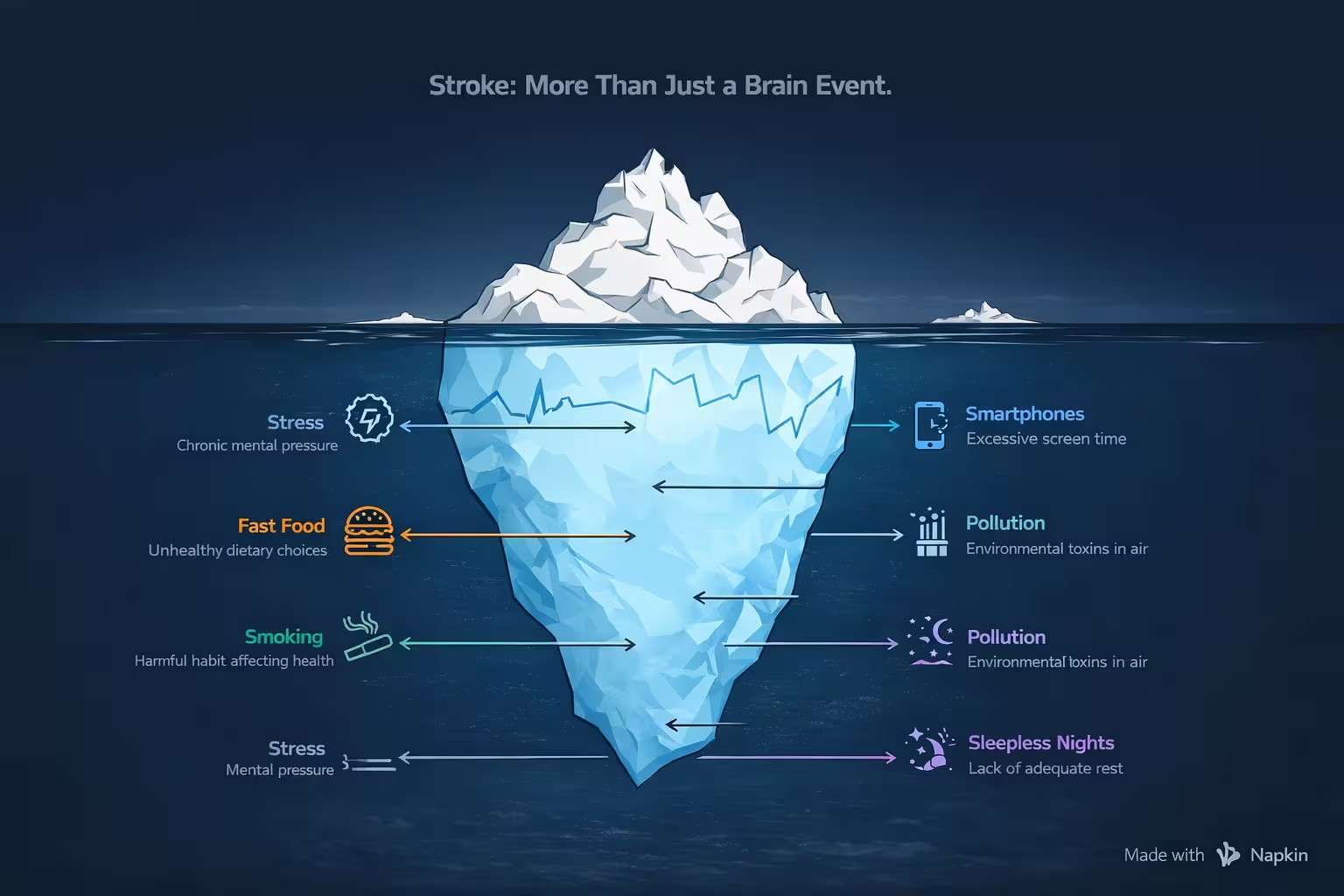
I think many of us assume we are too young to worry about serious brain problems. You know, work pressure, long screen hours, poor sleep, and ignored health checks slowly add up. These everyday patterns connect strongly with stroke causes in adults. Stroke in young adults often comes without warning, and that makes it dangerous.
“A stroke does not check your age before it strikes.”
Stroke in Young Adults Is No Longer an Old-Age Disease
Not long ago, stroke felt like a problem only older people faced. Today, that belief about stroke in young adults no longer fits reality. Doctors now see stroke in adults turning up in hospitals far often. People in their late twenties, thirties, and early forties are getting affected, sometimes with no warning at all.
So, why is this happening? Daily habits have changed fast. Long work hours, constant screen use, less movement, and skipped health checkups play a quiet role. These shifts explain the increasing stroke cases we hear about today. Many stroke causes in adults now begin early and stay unnoticed for years.
I think the biggest danger is denial. You feel healthy, so you ignore small signs. Stroke in young adults breaks this false sense of safety. You are never too young to protect brain and future.
Major Reasons Behind Increasing Stroke in Young Adults
Stroke in young adults rarely comes from one single reason. In most cases, it builds slowly through daily habits and silent health problems. Life today moves fast. You sit more, sleep less, eat poorly, and carry stress without noticing how it affects your body. Over time, these patterns turn into serious stroke risk factors.
What makes this worrying is that many lifestyle causes of stroke start early and stay hidden. You may feel fine on the outside while damage quietly grows inside your blood vessels. Stroke often feels sudden, but the causes usually develop for years. I think understanding these reasons clearly gives you power to protect yourself before it is too late.
Sedentary Lifestyle as a Major Cause of Stroke in Young Adults
Stroke in young adults has a strong link with sitting too much. Many jobs keep you at a desk for long hours. Travel, screens, and late nights leave little space for movement. Your body needs regular activity to keep blood flowing smoothly. When movement drops, blood pressure rises and weight increases. This creates lifestyle causes of stroke that many people ignore. Even short daily walks can make a difference, but they often get skipped.
A sedentary routine can lead to
- poor blood circulation
- weight gain and fat buildup
- rising blood pressure
- higher stress levels
Stroke in adults becomes more likely when the body stays inactive for years without breaks.
High Blood Pressure and Stroke in Young Adults
High blood pressure no longer affects only older people. Stroke often begins with uncontrolled pressure that goes unnoticed. Many people never check their numbers until damage has already started. Pressure strains blood vessels and weakens their walls. Over time, this raises the risk of clots or bleeding in the brain. High blood pressure and stroke stay closely connected at any age.
Common reasons young adults miss this problem include
- no regular health checks
- stress-filled routines
- high salt and packaged food intake
- lack of exercise
Stroke in young people linked to blood pressure can often be prevented with early care and simple lifestyle changes.
Early-Onset Diabetes Increasing Stroke Risk in Young Adults
Diabetes is appearing earlier than before, and stroke in young adults follows this trend. High sugar levels damage blood vessels slowly. You may not feel pain, but the harm continues every day. Diabetes and stroke risk rise together because sugar thickens blood and slows circulation. This makes clot formation easier inside the brain.
Early diabetes often grows due to
- poor food choices
- weight gain
- low activity levels
- family history
Smoking, Vaping, and Alcohol Driving Stroke in Young Adults
Smoking and vaping place direct stress on blood vessels. Stroke increases sharply with regular tobacco or nicotine use. Alcohol adds another layer of damage when consumed often. These habits narrow arteries and reduce oxygen supply to the brain. Over time, clots form more easily. Many stroke causes in adults begin with these choices made casually in youth.
Risk increases with
- daily smoking or vaping
- binge drinking patterns
- mixing alcohol with stress
- ignoring early warning signs
Chronic Stress and Poor Sleep Linked to Stroke in Young Adults
Stress never truly switches off for many people today. Young adults connects strongly with long-term mental pressure and broken sleep. Your body stays in alert mode, raising pressure and sugar levels. Poor sleep prevents healing and balance. Stress hormones remain high, affecting the heart and brain.
Common stress triggers include
- work pressure
- financial worries
- long screen exposure
- lack of rest
“Your body keeps score even when you try to ignore it.”
Obesity and High Cholesterol as Stroke Risk Factors in Young Adults
Weight gain changes how the body handles blood and fat. Stroke rises when cholesterol levels stay high for years. Fat buildup narrows arteries and slows blood flow to the brain. Obesity also increases pressure, sugar levels, and inflammation. These stroke risk factors often appear together.
Contributing factors include
- poor diet choices
- low activity
- irregular eating habits
- family history
Undiagnosed Heart Conditions Causing Stroke
Some heart problems stay hidden for years. Stroke in young adults can happen when irregular heartbeats or structural issues go unnoticed. These conditions allow clots to travel from the heart to the brain. Many people feel normal until a stroke happens. That is what makes this cause so dangerous.
Possible warning signs include
- unexplained breathlessness
- irregular heartbeat feelings
- fainting spells
- chest discomfort
Stroke in Adults vs Stroke in Older Adults
Stroke in young adults feels very different from stroke in older adults, even though the damage can be just as serious. When a younger person has a stroke, it often comes as a shock. You do not expect it. Life feels busy, plans feel long, and illness feels far away. That is why stroke often gets missed or delayed in diagnosis.
In older adults, strokes usually connect to long-term health problems like aging blood vessels, years of high blood pressure, or existing heart disease. In younger adults, strokes often come from a mix of lifestyle stress, hidden medical issues, and habits that slowly harm the body. Recovery also looks different. Younger people may recover faster, but the emotional and work-related impact can feel heavier.
Some key differences stand out clearly.
Stroke often involves
- delayed recognition of symptoms
- fewer regular health checkups
- higher impact on work and family life
- stronger emotional stress after recovery
Stroke in older adults often involves
- known health conditions
- quicker medical suspicion
- slower physical recovery
- higher risk of repeat strokes
Early Warning Signs of Stroke
Stroke in young adults often starts with signs that feel small or easy to ignore. You may think it is just stress, tiredness, or lack of sleep. That delay can be dangerous. Early stroke symptoms appear suddenly and feel unusual for your normal day. The problem is many young people do not link these signs to stroke at all.
Signs of stroke in adults can show up without pain and vanish quickly, which creates confusion. You might feel normal again and decide not to seek help. I think this false relief causes serious delays in treatment. Stroke needs fast action because early care can save brain function and life. If something feels wrong and sudden, it deserves attention.
Sudden Weakness or Numbness as a Sign of Stroke in Young Adults
Stroke in adults often begins with weakness on one side of the body. An arm, leg, or side of the face may feel heavy or numb. This change happens quickly and without clear reason.
You may notice
- one arm drifting down when raised
- tingling or loss of feeling on one side
- facial drooping while smiling
Stroke in young adults should be suspected when this weakness does not match normal tiredness. Even if it fades, it still matters. Early response can prevent lasting damage.
Slurred Speech or Difficulty Speaking in Stroke in Young Adults
Speech changes often appear suddenly and feel confusing. Your mouth may not move the way you expect, even though your thoughts feel clear. Words come out slow, mixed, or incomplete. This gap between thinking and speaking can feel frightening, especially when it happens without warning. You might notice that simple sentences feel hard to finish. Familiar words disappear for a moment.
Listening also becomes difficult, as if sounds arrive but meaning feels delayed. Others may ask you to repeat yourself or speak slower. These changes are not about nervousness or tiredness. When speech shifts quickly and feels unusual for you, it signals that the brain needs attention right away now.
Sudden Vision Problems
Vision changes can appear without warning and feel deeply unsettling. You may struggle to focus, notice dark patches, or see two images instead of one. Reading or recognizing faces becomes difficult. Even brief changes in sight should never be ignored, especially when they appear suddenly and feel unusual.
Possible warning signs include
- sudden loss of vision in one eye
- blurred or dim sight
- trouble focusing
Stroke in young adults can harm vision quickly. Any sudden change in sight needs medical attention, even if it improves after a few minutes.
Severe Headache or Dizziness in Stroke
The pain can feel sharp, heavy, or overwhelming and may build within seconds. It often feels different from stress or migraine pain. Dizziness may follow, making it hard to stand or walk straight. When pain and balance issues arrive suddenly together, the body is asking for immediate medical help.
Watch out for
- severe headache with no clear cause
- spinning sensation or loss of balance
- nausea with confusion
Stroke in young adults linked to headache or dizziness often gets mistaken for migraine or stress. Trust sudden changes and seek help fast.
Mini Stroke (TIA Stroke Meaning) in Young Adults and Why It Matters
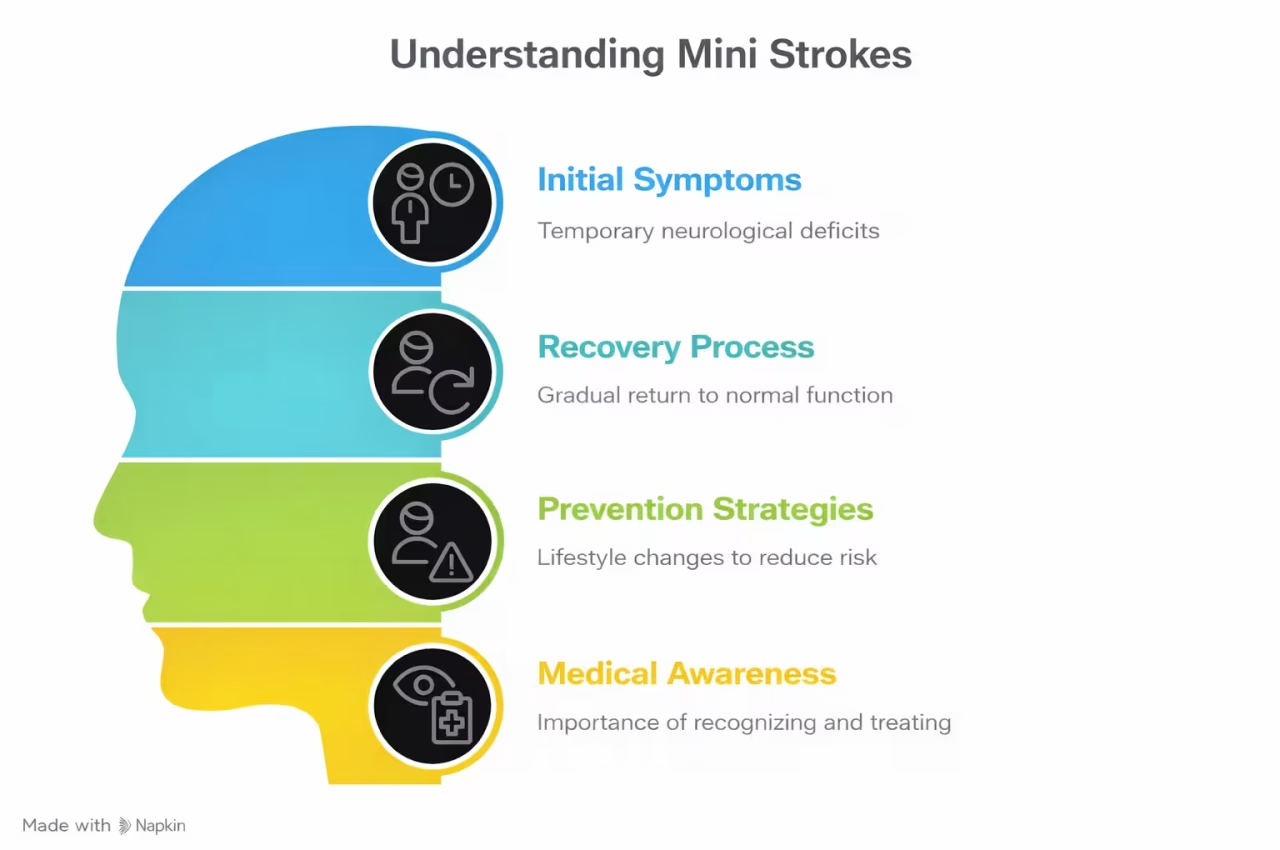
Stroke in young adults does not always arrive in a dramatic way. Sometimes it shows up as a mini stroke, also called a transient ischemic attack. The TIA stroke meaning is simple. Blood flow to the brain gets blocked for a short time and then returns to normal. Symptoms may last minutes or hours and then disappear.
This is where many people make a dangerous mistake. When symptoms fade, you may feel relieved and ignore it. I think this is one of the biggest missed warnings. Mini stroke symptoms are the body’s early alarm. A TIA does not cause permanent damage, but it signals a very high risk of a future stroke.
Common mini stroke symptoms include
- sudden weakness or numbness
- slurred speech
- vision changes
- dizziness or loss of balance
Stroke in adults linked to TIA needs urgent care. A mini stroke is not minor. It is your chance to act early and prevent long-term brain injury.
Stroke Prevention in Young Adults Is Possible With the Right Steps
Stroke in young adults may sound frightening, but the good news is that many cases are preventable. Small daily choices shape your long-term brain health. You do not need extreme routines. Simple and steady habits matter more. Stroke prevention in adults starts with awareness and early action.
Many lifestyle causes of stroke build quietly. When you notice them early, you can reverse much of the risk. I think prevention feels easier when it fits into real life, not perfect plans. You already do many things right. A few changes can lower risk a lot. It becomes less likely when you focus on basics like movement, food, sleep, and regular checkups.
Helpful prevention steps include
- daily walking or light exercise
- reducing salt, sugar, and packaged foods
- managing stress with breaks and rest
- quitting smoking and limiting alcohol
- checking blood pressure and sugar levels
Stroke in young adults does not appear overnight. Prevention works best when it becomes part of your routine.
When to See a Neurologist for Stroke
Stroke needs quick medical attention, even when symptoms feel mild. Many people wait too long, hoping things will pass. That delay can cause lasting harm. Knowing when to see a neurologist for stroke can save your brain. You should seek help if early stroke symptoms appear suddenly or feel unusual for you. Even short-lasting signs matter. A neurologist can identify the cause and prevent future damage.
Warning situations include
- sudden weakness or numbness
- speech or vision problems
- severe headache without reason
- repeated mini stroke symptoms
Stroke in young adults often hides behind stress or fatigue. If something feels off and sudden, trust your instinct. Seeing a neurologist early gives you answers, treatment, and peace of mind.
Conclusion on the Rising Crisis of Stroke
Stroke in young adults is a growing health concern that deserves serious attention. Age no longer offers protection. Modern lifestyles, hidden medical issues, and ignored warning signs have changed the picture completely. The rise may feel alarming, but awareness brings control. When you understand risks and act early, outcomes improve greatly. Stroke often sends warnings before major damage happens. Listening to those signs matters.
You can protect your future by staying active, managing stress, and not delaying medical care. Stroke in young adults reminds us that health needs care at every age. Taking action today can safeguard your brain for years ahead.