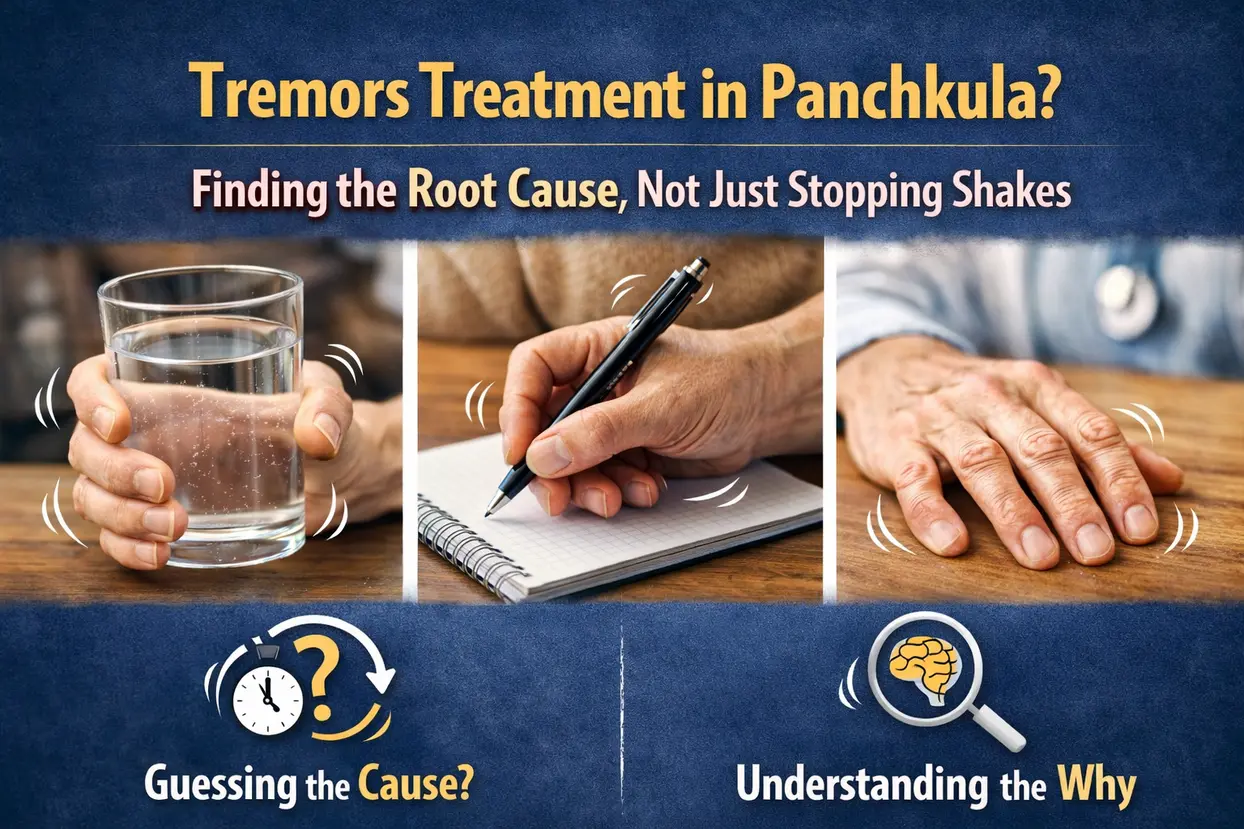
A hand that shakes once in a while is easy to ignore. Mostly it gets blamed on tiredness, pressure at work, or nerves before an important moment. The problem starts when the shaking doesn’t leave. It shows up while holding a glass, writing a message, or resting the hand quietly on a table. That’s when it stops feeling harmless.
Tremors are not a habit or a personality trait. They are a signal, sometimes a mild one and sometimes a serious one. And guessing the reason almost always delays the right care. This is why tremors treatment in Panchkula needs to be approached with clarity, not shortcuts.
Real treatment begins by understanding why the hands are shaking, not just trying to make them stop. Ignoring that difference is where most people go wrong and where long-term problems quietly begin.
What Tremors Actually Mean for the Nervous System
Tremors are not random movements. They happen because the nervous system is sending mixed or unstable signals to the muscles. In simple terms, the brain and nerves are not coordinating smoothly with the body. When that coordination slips the muscles respond with shaking.
What makes tremors tricky is their inconsistency. A person may notice shaking only while holding something. Another may feel it even when the hand is at rest. Some days feel manageable. Other days don’t.
That unpredictability is often the clue that the nervous system is involved.
Not every tremor signals a serious disorder but dismissing tremors entirely is just as risky. The nervous system rarely sends signals without a reason. Understanding this difference is the first step toward choosing the right tremors treatment in Panchkula, tailored for you instead of throwing darts in the dark.
Common Hand Tremor Causes Doctors Look For First
Clinically, doctors start by narrowing down the most likely triggers instead of jumping to conclusions. Some of the common ones include:
- Essential tremor: This is one of the most frequent causes of long-term hand shaking. It often runs in families and usually appears during movement like holding a cup or using a phone. It isn’t dangerous in itself, but it can quietly worsen if ignored.
- Stress and anxiety-related tremors: Emotional overload doesn’t just stay in the mind. The nervous system reacts, and the body shows it. These tremors may fluctuate and feel worse during pressure-heavy situations, but they still need evaluation if they persist.
- Medication-related tremors: Certain medicines can interfere with nerve signalling and trigger shaking. Many people don’t connect their tremors to a prescription they started months ago.
- Neurological triggers: In some cases, tremors are linked to deeper neurological changes. These require careful assessment, not guesswork, because the treatment approach shifts completely.
This is why jumping straight to any generic shaking hands treatment without identifying the cause is risky. The right direction depends on understanding what the nervous system is reacting to and why.
How Tremors Are Diagnosed and Treated Clinically
This is the point where online advice usually falls apart. Tremors can’t be diagnosed by symptom lists alone, and they definitely can’t be fixed by copying what worked for someone else. Clinically, the first step is not treatment. It’s observation. Doctors look at when the tremor appears, how it behaves, and what makes it better or worse. A tremor during movement tells a different story than one that appears at rest. A tremor that worsens under pressure tells another.
From there, the evaluation becomes more structured. Small details that patients often overlook are often the ones that explain everything. According to the National Institute of Neurological Disorders and Stroke (NINDS), tremors are among the most common movement disorders and require cause-based evaluation rather than symptom-only management.
Treatment follows diagnosis, not the other way around. This is where motor and movement disorder treatment becomes relevant. The goal isn’t to silence the shaking at any cost. It’s to stabilise the underlying nerve signals that are causing it. In some cases, treatment focuses on reducing progression. In others, it’s about improving daily function and control.
This clinical approach is what separates short-term relief from meaningful, long-term control.
When Shaking Hands Should Never Be Ignored
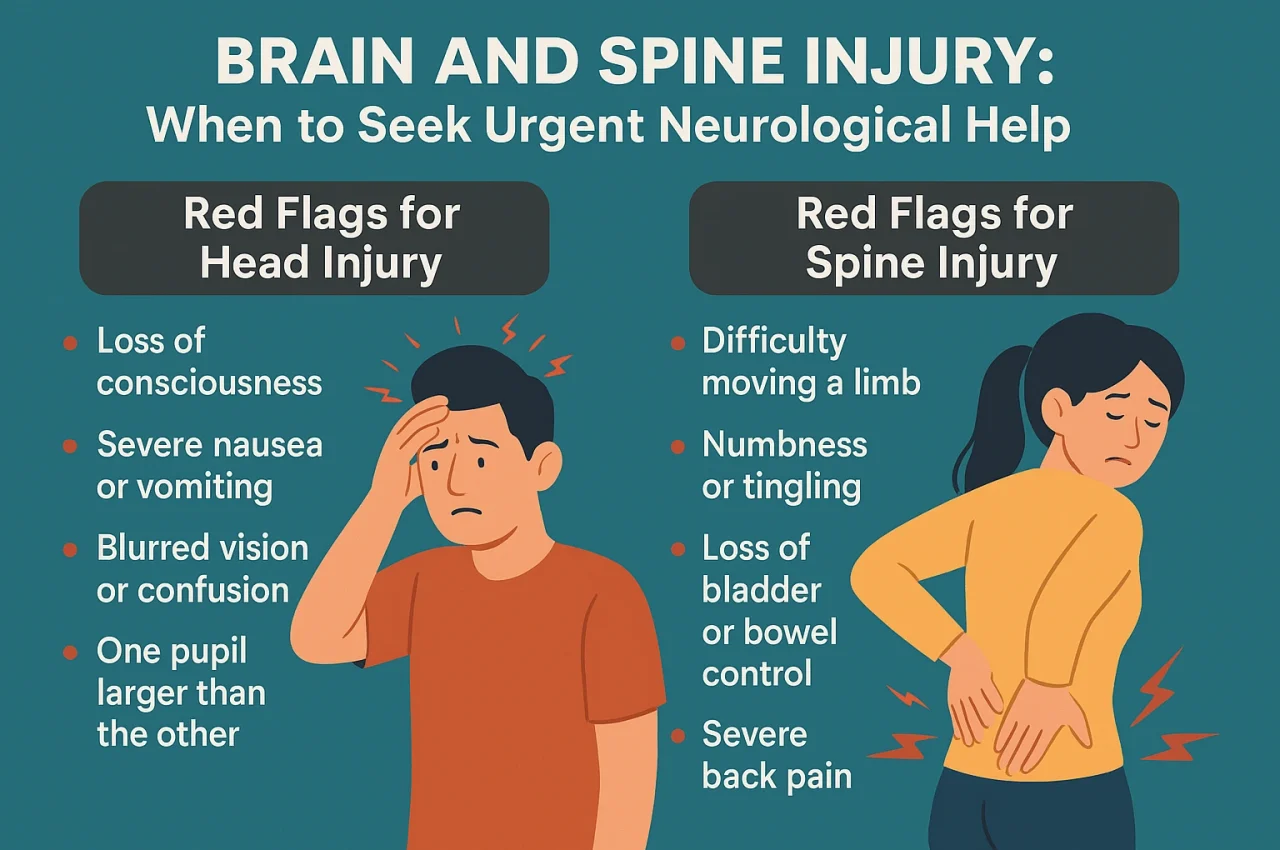
Not every tremor is an emergency. But some are warnings and missing them can cost time that matters. Doctors tend to take tremors more seriously when they come with patterns like these:
- The shaking is getting worse over weeks or months, not staying the same
- It begins to affect speech, balance, or walking
- Everyday tasks like eating, writing, or dressing start feeling difficult
- The tremor appears suddenly or after a neurological event
- There is no clear trigger, yet the shaking persists
Here’s the uncomfortable part. Many people wait because they don’t want “bad news.” That delay often does more harm than the diagnosis itself. Early evaluation doesn’t always lead to heavy treatment. In many cases, it leads to clarity and clarity reduces anxiety more than guessing ever will.
This is exactly why timely tremors treatment in Panchkula isn’t about panic. It’s about not missing the window where control is easier, options are broader, and outcomes are better.
Tremors Treatment in Panchkula: What Patients Can Expect
One thing patients usually want to know often before anything else is what the process actually looks like. In Panchkula, tremor care is not about rushing into treatment. It starts with listening. The aim is to understand how the tremor behaves in that person’s daily life, not how it’s described in textbooks.
Under the care of Dr. Anurag Lamba, the approach stays structured but practical. Evaluation is methodical, and decisions are paced. That matters, because tremors don’t always need the same level of intervention at every stage.
Patients can usually expect:
- a clear explanation of what type of tremor they’re dealing with
- honest discussion about what can be controlled and what needs monitoring
- treatment plans that evolve over time, not one-time decisions
This is what makes tremors treatment in Panchkula effective when done right. It’s not built on urgency or fear. It’s built on understanding, consistency, and the kind of follow-up that prevents small problems from quietly becoming bigger ones.
The difference shows over time not in how fast the shaking stops, but in how much confidence returns to daily life.
Don’t Silence the Shake, Understand It
Shaking hands don’t demand attention the way pain does. They sit quietly in the background. That’s why they’re easy to live with and easy to underestimate. But the nervous system has its own way of asking for care. It starts small. It waits. And if nothing changes, it finds louder ways to speak.
The difference between panic and control usually isn’t treatment itself. It’s timing. Understanding what’s happening early often means fewer compromises later. Less guessing. Less adapting life around the tremor.
If the shaking has been showing up more often, or if it’s starting to affect everyday confidence, it may be time to stop managing it alone. A structured neurological evaluation can bring clarity sometimes reassurance, sometimes direction, but almost always relief from uncertainty.
For those considering tremors treatment in Panchkula, consulting a specialist like Dr. Anurag Lamba can help determine whether the tremor needs monitoring, management, or simply a better explanation. Because when the nervous system is involved, clarity is often the first real form of treatment.
And clarity, more often than not, changes everything.
Medical Disclaimer: This content is for general information only and does not replace professional medical advice. Tremors can have multiple causes, and treatment depends on individual evaluation. Always consult a qualified healthcare professional for diagnosis and personalised care.