
Your spine remembers every slouch, every hour you spend glued to your chair, and every time you ignore that dull ache in your back. What feels like “just another workday” is, in reality, a slow war between your sitting habits and your nerve health and your spine is losing.
Poor posture doesn’t strike overnight; it builds silently, compressing nerves, weakening muscles, and distorting spinal alignment until discomfort becomes your new normal. The tragedy? Most people don’t realise the damage to their posture and nerve health until it’s too late. Poor sitting habits, such as slouching, leaning forward, or crossing legs for extended periods, contribute to chronic back pain from poor posture and can lead to nerve compression due to sitting. According to the World Health Organization, over 60% of adults experience back pain linked to prolonged sitting.
Understanding your neurological health and the connection between everyday posture and nerve function is crucial. The way you sit today directly influences your spinal alignment, nerve efficiency, and overall health. In this guide, we’ll explore common sitting posture problems, their effects on nerve health, and actionable tips to protect your spine while improving daily comfort and productivity.
Decoding the Link Between Posture and Nerve Health: What Science Reveals
Your spine is the central support structure of the body, protecting the spinal cord and ensuring efficient nerve communication between the brain and the rest of your body. When posture is compromised, the alignment of vertebrae shifts, placing uneven pressure on spinal discs and nerves. Over time, this can lead to spinal alignment issues and a cascade of health problems ranging from tingling in the limbs to chronic pain.
“Your posture shapes your nerve health. Every misalignment affects how well your brain communicates with your body,”
– Dr. Anurag Lamba, Senior Neurologist & Spine Specialist
The term posture and nerve health is more than a buzzword, it reflects how your daily positioning impacts neurological function. Sitting for extended periods with rounded shoulders or a forward head posture compresses nerves and restricts blood flow, potentially causing nerve compression due to sitting. Symptoms may include numbness, tingling, or weakness in the arms and legs, which if left unaddressed, could escalate into long-term nerve damage.
Research published in the Journal of Orthopaedic & Sports Physical Therapy found that 75% of participants with poor posture reported nerve-related discomfort, highlighting the strong link between posture and nerve health. Maintaining proper spinal alignment is not just about avoiding pain, it is about preserving overall body function. Small adjustments in sitting habits, combined with awareness of posture, can significantly enhance nerve efficiency and prevent the onset of chronic issues. In the following sections, we’ll explore common sitting posture problems, their direct impact on nerve health, and practical strategies for correction.
Your Chair Could Be the Culprit: Posture Mistakes That Damage the Spine
Most of us spend hours seated without giving much thought to how we sit. Yet, these seemingly small habits can have a profound impact on posture and nerve health. According to the American Chiropractic Association, office workers spend an average of 9.3 hours per day sitting, making them highly susceptible to spinal and nerve problems.
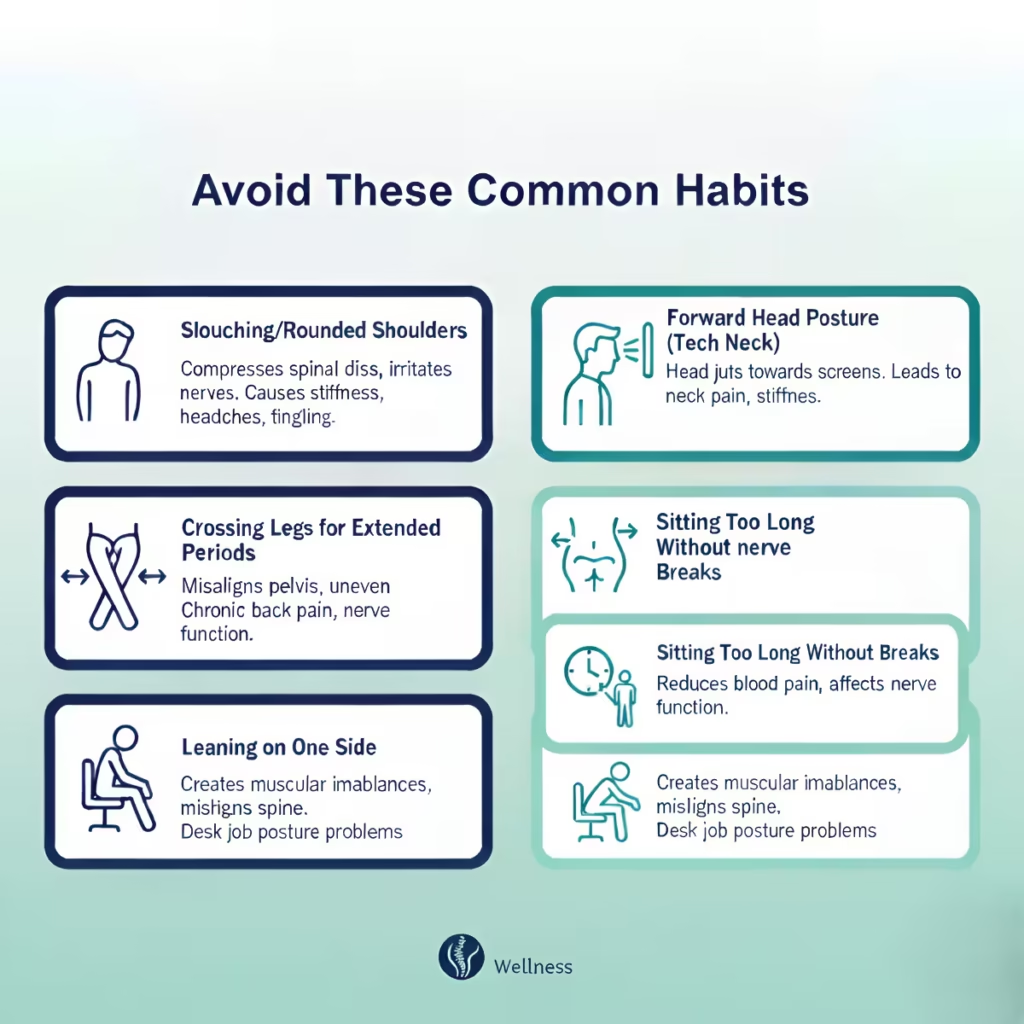
Recognising these common sitting posture problems, mentioned below and as shown in the above image, is the first step toward protecting your spine and nerves and significantly improving your posture and nerve health.
- Slouching or Rounded Shoulders: Leaning forward with shoulders rounded is one of the most common posture mistakes. This compresses the spinal discs and irritates the nerves running through your neck and upper back, often resulting in stiffness, tension headaches, and tingling sensations.
- Forward Head Posture: Also known as “tech neck,” this occurs when the head juts forward toward screens. Each inch of forward head posture increases the stress on the cervical spine, contributing to nerve compression and chronic neck pain that weakens overall posture and nerve health.
- Crossing Legs for Extended Periods: Sitting with legs crossed for long durations may seem harmless, but it misaligns the pelvis and places uneven pressure on the lower back and hips. Over time, this can lead to chronic back pain from poor posture and affect nerve function in the lower limbs.
- Sitting Too Long Without Breaks: Extended sitting without micro-movements reduces blood flow, increases stiffness, and heightens the risk of spinal alignment issues. Office workers often underestimate the cumulative effect of sitting 8-10 hours daily, which can exacerbate nerve irritation and back discomfort.
- Leaning on One Side: Favouring one side while sitting or resting on a chair arm or leaning on a desk creates muscular imbalances, misaligns the spine, and contributes to common desk job posture problems.
By identifying these posture errors early, you can start making small yet powerful adjustments to protect your spine. The next step is understanding how poor posture directly leads to nerve damage and why maintaining nerve health is vital for long-term mobility and comfort.
How Misaligned Posture Disrupts Nerve Health and Spine Function
Poor sitting posture doesn’t just strain muscles, it can directly impair nerve function. When the spine is misaligned, nerves exiting the spinal cord may become compressed, irritated, or inflamed, leading to a range of symptoms that affect mobility, sensation, and overall well-being.
1. Nerve Compression and Sciatica
Sitting with slouched or forward-leaning posture increases pressure on the lumbar spine, which can compress the sciatic nerve. This often manifests as pain, tingling, or numbness radiating down the legs, a condition commonly referred to as sciatica.
2. Cervical Nerve Irritation
Forward head posture, typical when working on computers or smartphones, stretches and compresses the cervical spine. This can irritate cervical nerves, causing headaches, shoulder pain, or tingling in the arms. Such conditions exemplify the direct link between posture and nerve health.
3. Reduced Blood Flow and Nerve Efficiency
Prolonged sitting and poor posture can also decrease blood circulation to spinal tissues and nerves. This reduction in oxygen and nutrient supply may slow nerve signal transmission, leading to chronic discomfort and reduced coordination.
4. Long-Term Implications
If left unaddressed, persistent nerve compression can result in muscular imbalances, chronic pain, and even permanent nerve damage. Early recognition of symptoms such as numbness, weakness, or persistent tingling is crucial.
Understanding these mechanisms makes it clear that correcting posture isn’t just about comfort, it’s about protecting nerve health, as both posture and nerve health are directly related, and preventing long-term complications. In the next section, we’ll discuss ergonomic solutions and sitting tips that safeguard your spine and nerves.
How to Sit Right: Proven Ergonomic Tips for Better Spine Health
Protecting your spine and nerves doesn’t require drastic lifestyle changes, it starts with small, intentional adjustments in your daily sitting habits. Implementing ergonomic sitting tips can dramatically improve posture and nerve health, reduce discomfort, and prevent long-term spinal problems.
- Invest in an Ergonomic Chair: A chair with lumbar support keeps your lower back aligned and reduces pressure on spinal discs. Ensure your chair height allows your feet to rest flat on the floor and that your knees are at a 90-degree angle.
- Correct Desk and Monitor Height: Position your monitor at eye level to avoid forward head posture. Your elbows should form a 90-degree angle when typing to minimise shoulder and neck strain.
- Take Micro-Breaks and Move Frequently: Even short breaks amidst work to do standing, stretching, or walking for 2–3 minutes every 30–45 minutes can enhance blood flow, relieve nerve pressure, and prevent chronic back pain from poor posture.
- Maintain Proper Sitting Posture: Keep your shoulders relaxed and back against the chair. Avoid crossing your legs for extended periods to prevent spinal alignment issues. A posture reminder app or sticky note on your desk can reinforce good habits.
- Use Supportive Accessories: Footrests, lumbar cushions, or ergonomic keyboards can help maintain alignment and reduce strain on nerves and muscles.
Research shows that office workers who implement ergonomic adjustments experience up to a 45% reduction in back pain and discomfort (source). By combining these strategies with awareness of posture, you can significantly lower the risk of desk job posture problems and maintain long-term nerve health. You can also follow our expert-approved neurorehabilitation exercises to strengthen your spine and restore nerve balance.
Small, consistent changes in your workspace setup and habits make a meaningful difference over time. These preventive measures are far more effective than treating symptoms after they become severe.
Science-Backed Exercises to Improve Posture and Nerve Health Naturally
Maintaining posture and nerve health requires more than ergonomic setups, it also involves regular movement, targeted exercises, and mindful habits that support spinal alignment and nerve function. Research highlights that integrating these habits can significantly improve posture, reduce musculoskeletal discomfort, and enhance nerve efficiency.
1. Daily Stretching and Mobility Exercises
- Cat-Cow Stretch: Mobilises the spine and relieves tension in the back and neck.
- Chest Opener Stretch: Counters rounded shoulders and forward head posture.
- Seated Spinal Twists: Improves spinal rotation and nerve flexibility.
2. Core Strengthening
A strong core stabilises the spine and reduces strain on vertebrae. Exercises like planks, bridges, and pelvic tilts help maintain healthy spine exercises that prevent misalignment.
3. Micro-Movements During Work
Standing up, walking around, or performing shoulder rolls every 30–45 minutes increases blood circulation, prevents nerve compression due to sitting, and reduces stiffness.
4. Mindful Posture Checks
Use reminders to correct posture throughout the day. Simple cues like “shoulders back, chin tucked” reinforce proper alignment and prevent spinal alignment issues from developing into chronic conditions.
5. Lifestyle Habits
- Stay hydrated to support spinal disc health.
- Maintain a healthy weight to reduce pressure on the spine.
- Consider alternating between sitting and standing using adjustable desks.
Consistently combining ergonomic adjustments, daily exercises, and mindful habits ensures your spine remains aligned, nerves function optimally, and chronic back pain is prevented before it starts.
The Red Flags: When Your Posture and Nerve Issues Need Medical Attention
While improving posture and following ergonomic tips can prevent most spine and nerve issues, some symptoms require professional evaluation. Ignoring persistent warning signs may lead to long-term nerve damage or chronic pain, severely impacting your posture and nerve health over time.
Red Flags to Watch For:
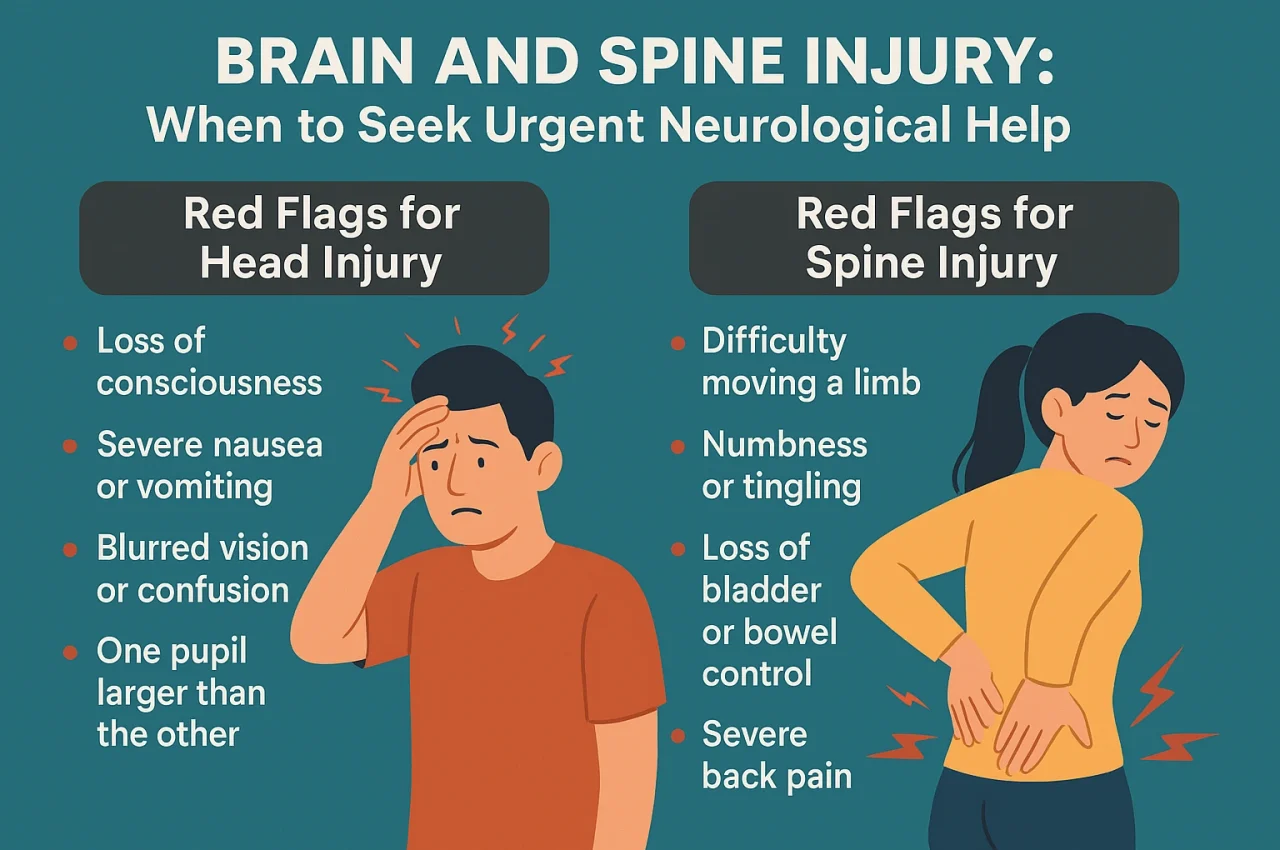
- Numbness, tingling, or weakness in the arms, hands, legs, or feet
- Severe or worsening back, neck, or shoulder pain
- Difficulty walking or maintaining balance
- Loss of bladder or bowel control (seek immediate medical attention)
“Early intervention is key: most patients who visit within the first few weeks of developing posture-related nerve symptoms recover faster and avoid surgery altogether.”
– Dr. Anurag Lamba
Consulting a physiotherapist, chiropractor, or neurologist can help identify underlying spinal or nerve issues affecting posture and nerve health. These professionals can assess alignment, recommend targeted exercises, and, if necessary, suggest advanced treatments to restore nerve efficiency.
Even individuals already experiencing the effects of poor sitting habits can benefit from professional guidance. With Dr. Lamba’s personalised treatment plans specifically focused on posture and nerve health improvement, patients often regain balance, reduce chronic discomfort, and prevent long-term neurological complications.
Final Thoughts: Your Posture Today Decides Your Spine Health Tomorrow
Protecting your spine and nerves doesn’t have to be complicated. By understanding the connection between posture and nerve health, recognising common sitting posture problems, and implementing spine health tips, you can prevent chronic pain and nerve damage before it starts.
Small, consistent actions: such as adjusting your workspace, taking micro-breaks, performing healthy spine exercises, and maintaining mindful posture can make a profound difference over time. Pairing posture correction with nerve-friendly foods and vitamin-rich diets can greatly improve long-term recovery. Remember, poor posture is not just an aesthetic concern; it affects nerve function, overall mobility, and long-term well-being.
Taking proactive steps today ensures that your spine remains aligned, nerves function optimally, and daily discomfort is minimised. Start integrating these practices now, and your future self will thank you for prioritising your health. If you’re experiencing chronic pain, numbness, or signs of nerve compression, don’t wait until it becomes irreversible. Take control of your posture and nerve health today and consult with Dr. Anurag Lamba to get a personalised, non-surgical treatment plan designed to restore your spine health and prevent long-term nerve damage.
“Your posture defines how your nerves live; keep it balanced, and your body will thank you every day.”
–Dr. Anurag Lamba
Medical Disclaimer:
The information provided in this article is for educational and informational purposes only and is not a substitute for professional medical advice, diagnosis, or treatment. Always consult with a qualified healthcare professional, physiotherapist, or neurologist regarding any concerns about posture and nerve health, spinal issues, or exercises mentioned in this guide.