
“Eat more almonds, it’s good for your nerves.” We’ve all heard such advice from parents and grandparents. And they weren’t wrong. Food plays a huge role in nerve health. Just like wires need proper insulation, nerves need the right vitamins and minerals to function smoothly. Without them, you may develop tingling, burning, or numbness in your hands and feet.
According to the NINDS, nutritional deficiencies are one of the leading non-diabetic causes of neuropathy worldwide. In India, poor dietary diversity and vegetarian diets make vitamin B12 and D deficiencies especially common. The good news? Choosing the right foods can protect and even restore nerve health.
Explore next: Neuropathy Explained: Causes, Symptoms, and Treatment Options in Panchkula
Why Diet Matters for Nerve Health
Nerves carry electrical signals between the brain and body. To keep them healthy, the body needs nutrients that:
- Build and protect the myelin sheath (nerve covering)
- Supply energy to nerve cells
- Reduce inflammation and oxidative stress
- Strengthen muscles supporting nerve function
Deficiencies in these nutrients often show up as fatigue, tingling, burning feet, or balance issues.
Essential Nutrients for Nerve Health
1) Vitamin B12
Critical for building myelin sheath. Deficiency causes numbness, burning, poor balance, and even memory issues. Very common in vegetarians.
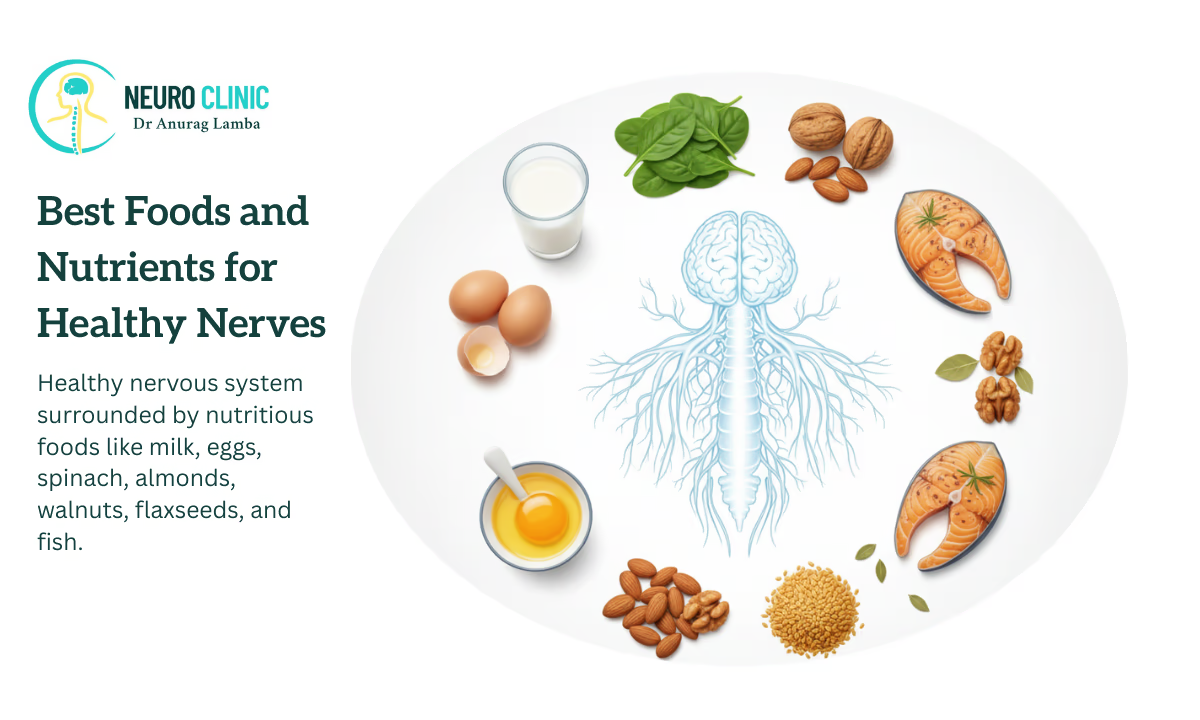
- Best sources: Milk, curd, eggs, fish, fortified cereals
- Panchkula context: Many young vegetarians here need fortified foods or supplements
2) Vitamin B1 (Thiamine)
Supplies energy to nerves. Deficiency can cause weakness, nerve degeneration, and irritability.
- Best sources: Whole grains, dal, nuts, sunflower seeds
3) Vitamin B6
Helps nerves produce neurotransmitters. Both deficiency and excess can harm nerves.
- Best sources: Bananas, chickpeas, potatoes, poultry
4) Vitamin D
Supports muscle strength and nerve signaling. Deficiency worsens weakness and cramps.
- Best sources: Sunlight, fortified milk, mushrooms
5) Vitamin E
Powerful antioxidant that protects nerve membranes from damage.
- Best sources: Almonds, sunflower seeds, spinach
6) Omega-3 Fatty Acids
Anti-inflammatory and neuroprotective. Improve nerve regeneration after injury.
- Best sources: Flaxseeds, walnuts, fish (salmon, sardines)
7) Magnesium
Important for nerve-muscle coordination. Deficiency causes cramps, twitching, and restlessness.
- Best sources: Pumpkin seeds, dark chocolate, green leafy vegetables
Sample Indian Diet for Healthy Nerves
Here’s how you can include nerve-friendly foods in a simple Indian diet:
Morning
- 1 glass warm milk (fortified if possible)
- 2 boiled eggs OR besan cheela with curd
- Handful of soaked almonds or walnuts
Lunch
- 1 bowl dal with brown rice or roti
- Sabzi with spinach or methi
- Curd (probiotic + B12 source)
Snack
- Roasted chana + fruit (banana or guava)
- Green tea for antioxidants
Dinner
- Mixed veg khichdi or fish curry (if non-veg)
- Salad with cucumber, tomato, carrot
- 1 tsp flaxseed powder mixed with curd
Foods to Avoid for Nerve Health
- Excess alcohol: Directly damages nerves and worsens deficiencies
- Refined carbs: White bread, maida, sugary snacks worsen diabetes risk
- Processed junk: Lacks essential vitamins and minerals
Explore next: Living with Neuropathy: Long-Term Care
When to See a Doctor
Diet alone may not fix severe deficiencies. You should see a neurologist if you notice:
- Tingling or burning feet
- Frequent stumbling or balance issues
- Fatigue + mood changes along with weakness
- No relief even after eating well
Final Word
A balanced diet is your first medicine for nerve health. Adding the right foods daily can protect against deficiencies and reduce the risk of neuropathy. If you live in Panchkula and struggle with nerve symptoms, book a consultation with Dr. Anurag Lamba for proper evaluation and treatment.
Related Neuropathy Guides
- Neuropathy Explained: Causes, Symptoms, and Treatment Options in Panchkula
- Vitamin Deficiency and Nerve Pain
- Peripheral Neuropathy Causes Beyond Diabetes
- Long-Term Neuropathy Care