If you’ve been waking up with a stiff back or shooting pain down your leg, your sleeping position for slipped disc might be the hidden culprit. Many assume rest heals the spine but the truth is, the wrong sleeping position for back pain can silently increase disc pressure while you sleep.
According to the Cleveland Clinic, a herniated (slipped) disc is often the root cause of back and leg pain, and most cases “heal on their own within four to six weeks.”
The good news? Changing how you sleep is one of the simplest, most effective steps toward relief. With the right sleeping position for neck pain and correct alignment, you can wake up refreshed, pain-free, and ready to move again, without relying solely on medications.
So before you go to bed tonight, let’s uncover the science-backed sleeping positions that can help your slipped disc recover faster, starting with your very next nap.
Why Sleeping Position Matters More Than You Think
Most people treat sleep as recovery time, but for those with a slipped disc, it’s when the spine can either heal or suffer more strain. The way you lie down directly affects how much pressure builds around your spinal discs alignment, nerves, and muscles.
When you sleep in a poor posture, the natural curve of your spine flattens, leading to nerve compression and pain upon waking. According to Harvard Health Publishing, maintaining spinal alignment while resting helps reduce inflammation and promotes disc healing over time.
“A neutral spine is the key to recovery. Your body repairs itself most efficiently when the spinal column is properly aligned during rest,”
-Dr. Anurag Lamba, a senior neurologist
By choosing the right sleeping position for slipped disc, you allow your spine to decompress naturally and recover faster while reducing morning stiffness and nerve irritation.
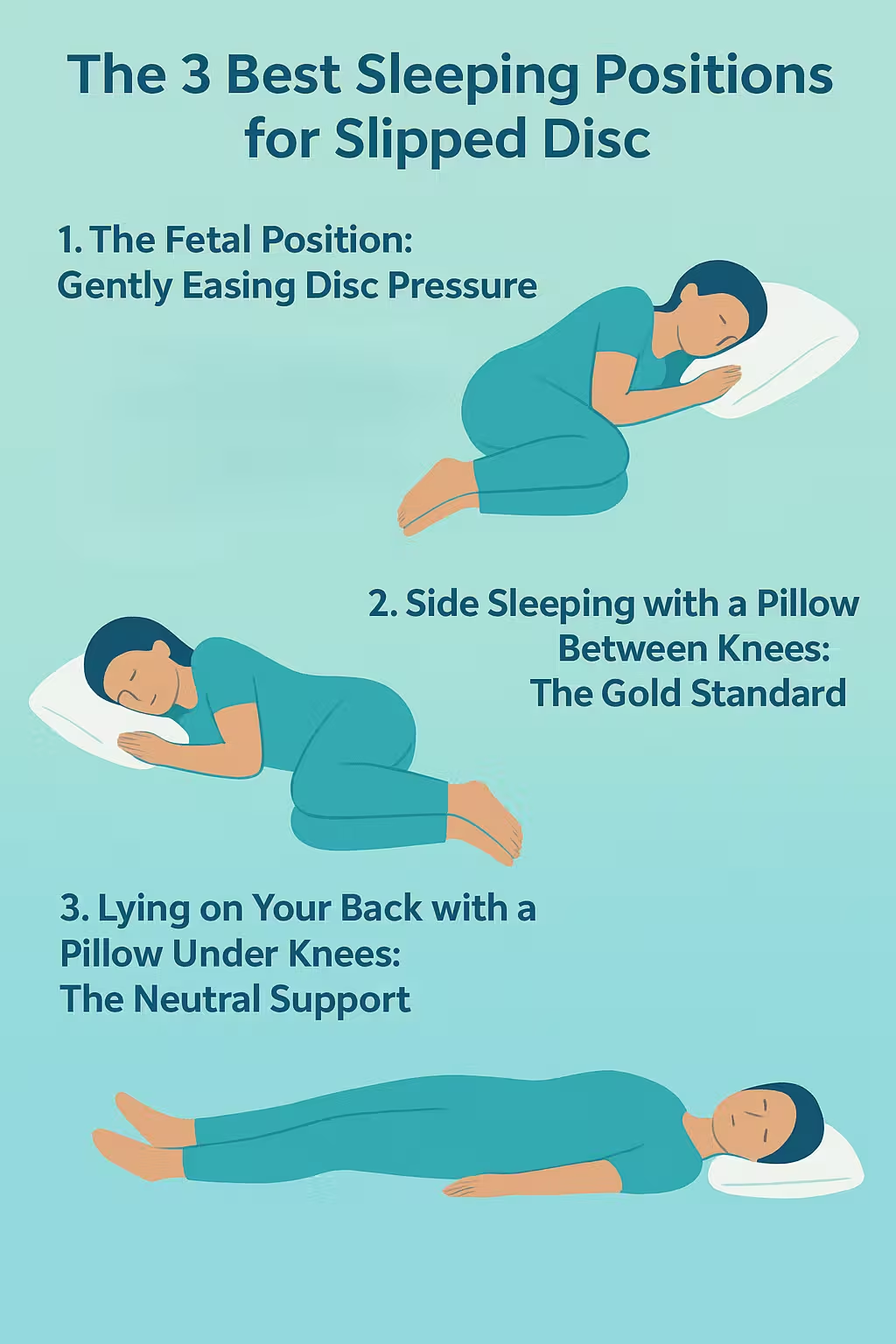
The 3 Best Sleeping Positions for Slipped Disc (Backed by Experts)
Finding the ideal sleeping position for slipped disc can make the difference between waking up in relief or in pain. The right posture reduces spinal pressure, supports healing, and prevents further nerve irritation. Below are the top neurologist-recommended positions that have helped countless patients recover naturally.
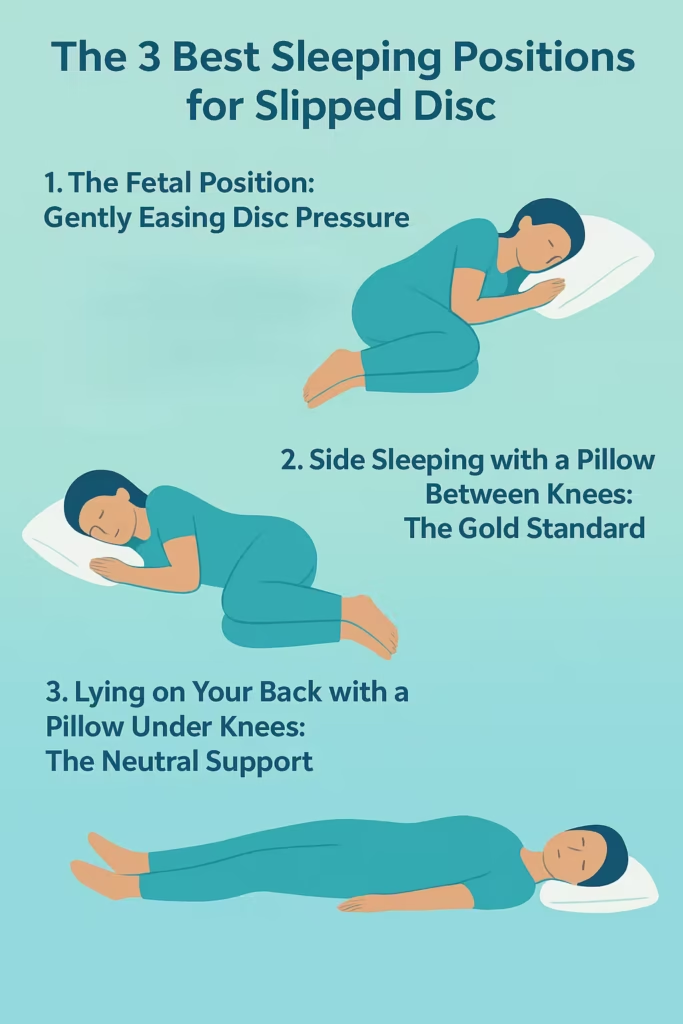
1. The Fetal Position: Gently Easing Disc Pressure
Curling up on your side in a loose fetal shape opens up the space between your vertebrae and reduces nerve compression, especially in cases of lumbar slipped discs. Keep your knees slightly drawn toward your chest and your back relaxed.
According to a study published in the European Spine Journal, side-lying postures significantly reduce lumbar disc pressure compared to lying flat, making them the best sleeping position for slipped disc.
“Sleeping in a semi-fetal position helps decompress the lower spine and reduces sciatic irritation, making it one of the simplest ways to promote overnight recovery.”
-Dr. Anurag Lamba
Pro tip: Place a soft pillow between your knees to maintain hip and spine alignment throughout the night.
2. Side Sleeping with a Pillow Between Knees: The Gold Standard
This is often considered the best sleeping position for back pain, especially for people with herniated or bulging discs in the lower spine. Sleeping on your side with a pillow between your knees keeps your pelvis, hips, and spine aligned, reducing strain and morning stiffness.
A clinical review by the Journal of Spine Research found that side sleeping reduces spinal stress by up to 55% compared to stomach sleeping. Patients who adopt a side-sleeping posture often report improved flexibility and reduced nerve inflammation within a few weeks.
Tip: Choose a medium-firm mattress that prevents your shoulders and hips from sinking too deeply into the bed.
3. Lying on Your Back with a Pillow Under Knees: The Neutral Support
If side sleeping feels uncomfortable, try lying on your back with a small pillow under your knees. This helps maintain the spine’s natural curve and distributes body weight evenly. It’s particularly beneficial for those with cervical or upper back pain, making it an ideal sleeping position for slipped disc and neck pain as well.
Placing a cushion beneath your knees reduces lower back stress by maintaining the natural “S” shape of the spine. Doctors recommend using a thin pillow under your head and a rolled towel beneath the lower back for additional lumbar support, especially during recovery phases.
Tip: Avoid thick pillows that push your neck forward, it can worsen spinal misalignment.
The Worst Sleeping Positions You Should Avoid Immediately
Knowing the best sleeping position for slipped disc is only half the story. The positions you shouldn’t sleep in are just as important for protecting your spine from unnecessary strain and inflammation.
One of the worst offenders is stomach sleeping. When you lie face-down, your spine curves unnaturally, forcing your lower back into hyperextension. This increases pressure on your spinal discs and compresses the nerves, worsening pain and slowing recovery.
According to the Sleep Foundation, stomach sleeping can lead to poor spinal alignment and chronic lower back pain, especially in those with herniated or slipped discs. So it can be considered the worst sleeping position for slipped disc and a habit worth breaking if you want lasting relief. Also avoid sleeping in a reclined position without proper lumbar support, or on soft, sagging mattresses. These positions cause your body weight to shift unevenly, increasing disc pressure overnight.
Tip: If you find it difficult to change your sleeping posture, start by placing a small pillow near your hips or chest. This reduces the forward arch in your spine and gradually trains your body toward a healthier alignment.
How to Set Up a Spine-Friendly Sleep Environment
Even the right sleeping position for slipped disc won’t help if your mattress, pillow, or sleeping setup doesn’t support your spine’s natural alignment. A spine-friendly environment makes every hour of rest count toward recovery instead of aggravating pain.
According to Spine-Health, a medium-firm mattress is often the best choice for those with herniated or slipped discs, as it supports spinal curvature without sinking too deeply. Combine this with a low-loft pillow to maintain neck alignment: an essential part of the right sleeping position for slipped disc and back pain.
“Think of your bed as an extension of your treatment plan, the right mattress and pillow setup can reduce nerve pressure by up to 40%, allowing your discs to heal naturally overnight”
-Dr. Anurag Lamba
Here’s a quick spine-care sleep checklist:
- Use an orthopaedic or memory foam pillow to support your cervical curve.
- Keep your hips and shoulders aligned with a pillow between your knees if you sleep sideways.
- Maintain a room temperature between 18-20°C for optimal muscle relaxation.
- Avoid overly soft beds or thick cushions that distort posture.
Tip: If you suffer from chronic stiffness or morning numbness, try rotating your mattress every 3-6 months to maintain even support.
Lifestyle & Recovery Tips to Speed Up Slipped Disc Healing
Recovering from a slipped disc isn’t just about finding the right sleeping position for slipped disc, it’s also about creating an everyday routine that supports spinal health and prevents re-injury. Here’s how you can make your lifestyle a healing environment for your spine.
1. Maintain an Active but Gentle Routine
Complete bed rest can actually delay recovery. Light movement improves blood flow to the spine and helps discs reabsorb fluid faster.
- Try low-impact exercises such as walking, swimming, or yoga for back pain.
- Avoid heavy lifting or twisting movements during the initial healing phase.
Your spine loves movement but the right kind of movement. Gentle stretches and posture correction go a long way in preventing future flare-ups.
2. Fix Your Sitting Posture
Prolonged sitting can worsen back and neck pain, especially if you work long hours at a desk.
- Keep your monitor at eye level and your feet flat on the ground.
- Use a lumbar support cushion to maintain the natural S-curve of your spine.
According to a 2024 study by Harvard Health, sitting with poor posture increases lumbar disc pressure by nearly 40%.
3. Focus on Anti-Inflammatory Nutrition
Inflammation slows recovery and worsens pain. To support healing:
- Eat foods rich in Omega-3 fatty acids, vitamin D, and calcium.
- Avoid processed foods, refined sugar, and excessive caffeine.
Add foods like salmon, walnuts, spinach, and turmeric to your diet as they’re natural anti-inflammatories and nerve protectors.
4. Stick to Consistent Sleep Habits
Your body repairs tissues most effectively during deep sleep. Try to go to bed with the best sleeping position for slipped disc (as discussed above) and wake up at the same time every day, even on weekends. This helps regulate your body’s circadian rhythm and reduces stress hormones that can intensify pain.
- Keep your room dark, cool, and free from blue light exposure.
- Limit screen time an hour before bed.
5. Manage Stress for Faster Recovery
Stress increases muscle tension, which can worsen your slipped disc symptoms.
Incorporate:
- Deep breathing techniques
- Meditation or mindfulness apps
- Short nature walks
“When your mind relaxes, your body heals better, Stress relief isn’t just mental; it’s spinal therapy, too.”
-Dr. Lamba
What to Avoid When Recovering from a Slipped Disc
While adopting the right sleeping position for slipped disc is essential, equally important is avoiding habits that can worsen your condition. Even small daily mistakes can slow healing and trigger flare-ups.
1. Avoid Prolonged Sitting
Sitting for long hours increases pressure on the lumbar discs and compresses nerves. According to Harvard Health Publishing, sitting with poor posture can raise disc pressure by up to 40%.
Tip: Take a 5-minute stretch break every hour, or use a standing desk if possible. Pairing short movement breaks with the correct sleeping position for slipped disc helps your spine decompress effectively through the day and night.
2. Avoid Heavy Lifting and Twisting Movements
Sudden or repetitive twisting, bending, or lifting heavy objects can aggravate the disc and surrounding nerves. Even seemingly minor movements, if done incorrectly, may prolong pain.
Tip: Bend at your knees, keep your back straight, and hold objects close to your body. Proper body mechanics are just as important as maintaining a healthy sleeping position for slipped disc recovery
3. Avoid Stomach Sleeping Without Support
Lying on your stomach flattens the natural curve of your spine and can increase lumbar and neck strain. If you must sleep this way, always place a pillow under your abdomen to reduce pressure.
4. Avoid Poor Nutrition and Dehydration
A diet high in inflammatory foods or low in nutrients slows recovery. Proper hydration and an anti-inflammatory diet help discs stay healthy and promote healing.
5. Avoid Ignoring Persistent Pain
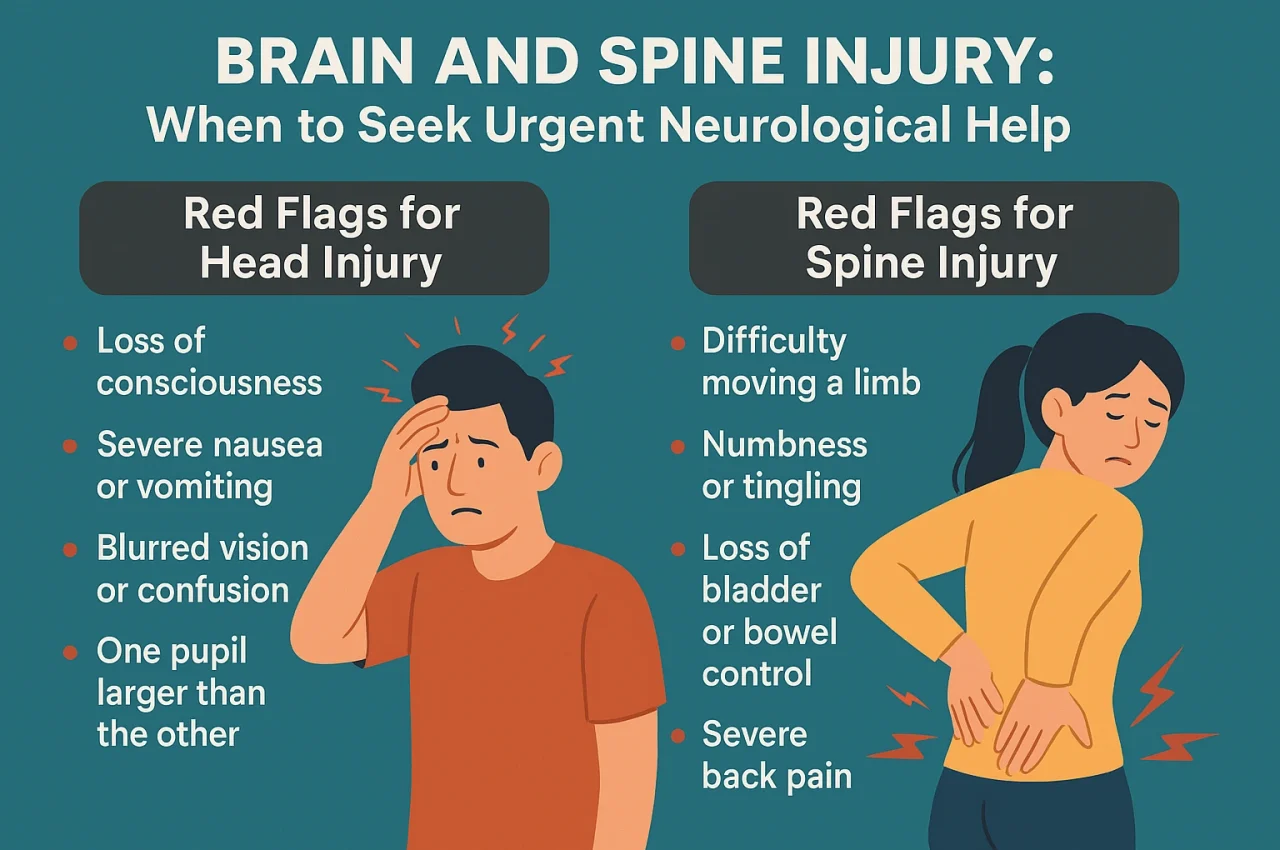
Chronic or worsening pain should never be ignored. If symptoms persist beyond 6-8 weeks or include numbness, weakness, or loss of bladder/bowel control, consult a neurologist immediately.
“Early intervention can prevent long-term complications. Don’t wait until the pain becomes unbearable,”
-Dr. Anurag Lamba.
Morning Routine: How to Get Out of Bed Without Triggering Pain
Waking up with a slipped disc can be painful if you move incorrectly. Even with the best sleeping position for slipped disc, improper morning movements can undo your night’s healing. Here’s how to start your day safely and pain-free.
1. Use the Log-Roll Technique
Instead of sitting up abruptly, roll onto your side first with your knees slightly bent. Then push yourself up using your arms while keeping your spine aligned. This technique protects your spine from sudden pressure spikes and is especially effective for those recovering from lumbar slipped discs.
2. Stretch Gently Before Standing
Once seated on the edge of the bed:
- Slowly stretch your legs and arms.
- Take a few deep breaths to relax muscles.
- Avoid sudden twisting motions.
Tip: Gentle morning stretches improve circulation to the spinal discs and reduce stiffness.
3. Activate Core Muscles
Engaging your abdominal and back muscles while standing up provides additional support to your spine. This reduces stress on the lower back and helps maintain the alignment achieved during sleep.
4. Hydrate Early
Drinking water in the morning helps rehydrate spinal discs, which are mostly made of water. Proper hydration keeps discs plump and flexible, reducing friction and pain.
By following this morning routine, you complement the benefits of your optimal sleeping position for slipped disc and set your spine up for a full day of reduced pain, better posture, and natural recovery.
Expert Insights: How Neurologists Sleep When They Have Back Pain
Ever wondered how spine specialists themselves sleep when dealing with back pain or a slipped disc? We asked leading neurologists, including Dr. Anurag Lamba, to share their personal recovery habits and night-time adjustments.
“I often tell my patients that healing doesn’t just happen at the clinic, it happens every night you sleep right”
-says Dr. Lamba.
Your mattress, your pillow, and your sleeping position for slipped disc all work together to either relieve or worsen pressure on your spine.
Here are the doctor-approved sleep secrets straight from the experts:
1. Prioritise Spinal Alignment Above All
Even specialists swear by keeping their spine neutral- whether sleeping on their back or side. They recommend a medium-firm mattress that supports the body’s natural curve and prevents sinking. According to the National Sleep Foundation, people with chronic back pain report 55% better sleep quality on medium-firm surfaces compared to soft mattresses.
2. Choose Pillows that Support the Neck’s Curve
A contoured cervical pillow keeps the neck aligned with the spine, a crucial element for anyone seeking relief from both back and neck pain.
This not only supports our sleeping position for neck pain but also reduces early-morning stiffness that often comes with disc compression.
3. Use a Heat or Ice Pack Before Bed
Several neurologists, including Dr Lamba, suggest alternating between heat therapy (to relax muscles) and cold therapy (to reduce inflammation) before bed.
This small ritual improves blood circulation and enhances the benefits of a good sleeping position for slipped disc and back pain overnight.
4. Keep Gadgets Away Before Sleep
Doctors stress that avoiding phones or laptops at least 30 minutes before bed helps calm the nervous system and improve sleep quality, a crucial element in recovery. Rest, posture, and patience that’s the real prescription for spinal healing
By combining these nightly habits with the right sleeping position for slipped disc, you can significantly speed up recovery and wake up with less pain each morning.
Final Thoughts: Sleep Right, Heal Faster
Your recovery doesn’t depend only on medication, it begins each night you rest correctly. By maintaining the right sleeping position for slipped disc, supporting your back and neck alignment, and following Dr Lamba’s lifestyle guidance, you give your spine the best chance to heal naturally.
“Good sleep is your spine’s strongest medicine but only if you use the right posture,”
-Dr Anurag Lamba.
If your pain persists despite these changes, it may be time for a professional evaluation. At Dr Anurag Lamba’s Neurology Clinic in Panchkula, we offer personalised, non-surgical treatment plans designed to relieve slipped disc pain and restore mobility, safely and effectively.
Medical Disclaimer
This content is for informational purposes only and does not substitute professional medical advice, diagnosis, or treatment. Always consult a qualified healthcare provider before starting any new treatment, exercise, or lifestyle change for a slipped disc or related back/neck pain. If symptoms such as numbness, tingling, or weakness persist, consult a neurologist immediately for evaluation and personalised advice on the right sleeping position for slipped disc and lifestyle modifications.