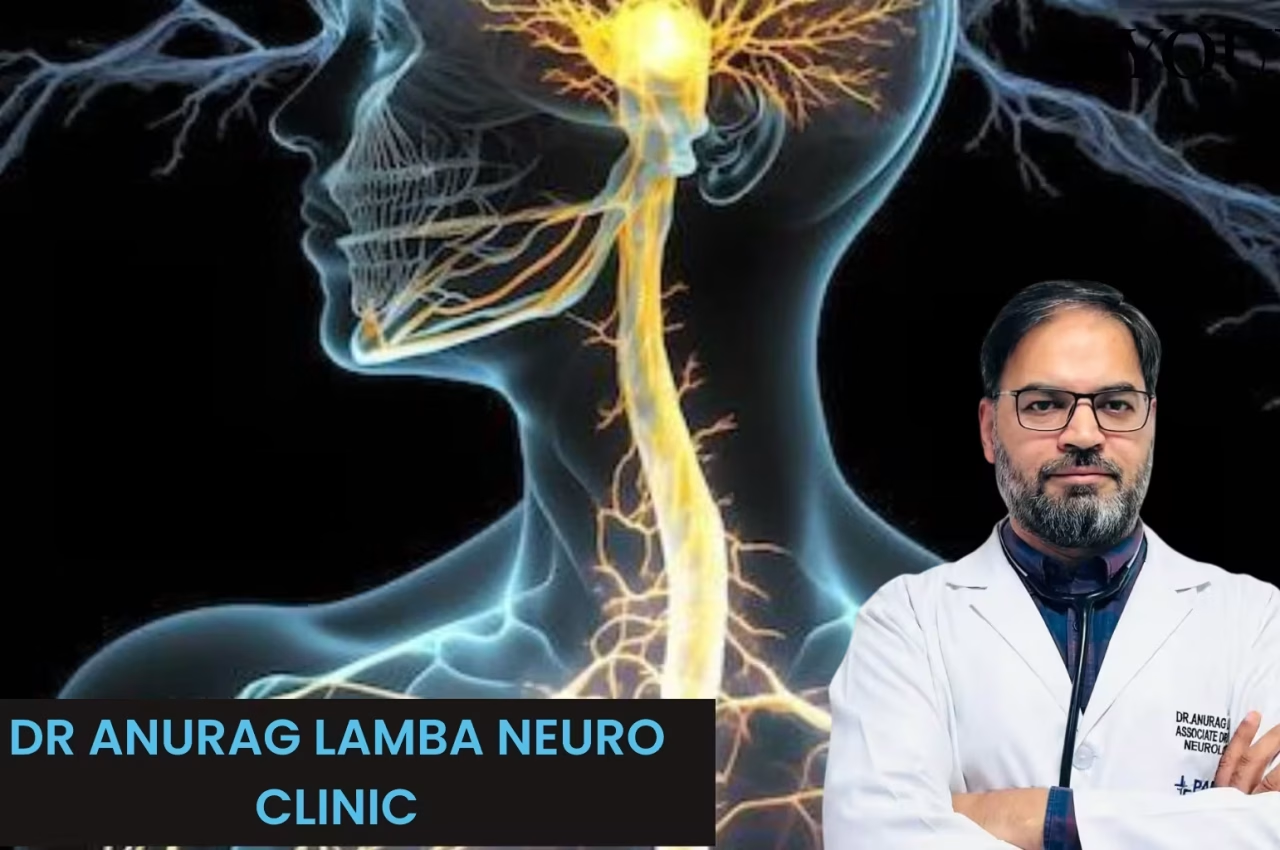
Still believe surgery is the only solution for your herniated disc treatment? You might be making the same mistake that keeps thousands trapped in pain while others are already walking free. Every year, countless patients rush into costly spine surgeries without realising that neurologists are quietly healing the same condition without a single incision. Neurologists don’t just target pain, they repair the nerve pathways that control movement, balance, and recovery at their source.
“Your spine doesn’t always need surgery; it needs understanding,”
– Dr. Anurag Lamba, one of the leading neurologists in Panchkula.
According to the Cleveland Clinic (2024), nearly 80% of herniated disc patients recover without surgery when guided by neurological rehabilitation and non-invasive care.
Yet, many still risk months of recovery, high medical bills, and potential complications simply because they aren’t aware of what modern neurological science can do. Before you consider surgery, take a closer look at how neurologist treatment for herniated disc in Panchkula is redefining spine care and why those who know this secret are recovering faster than ever.
Understanding the Herniated Disc and Its Symptoms
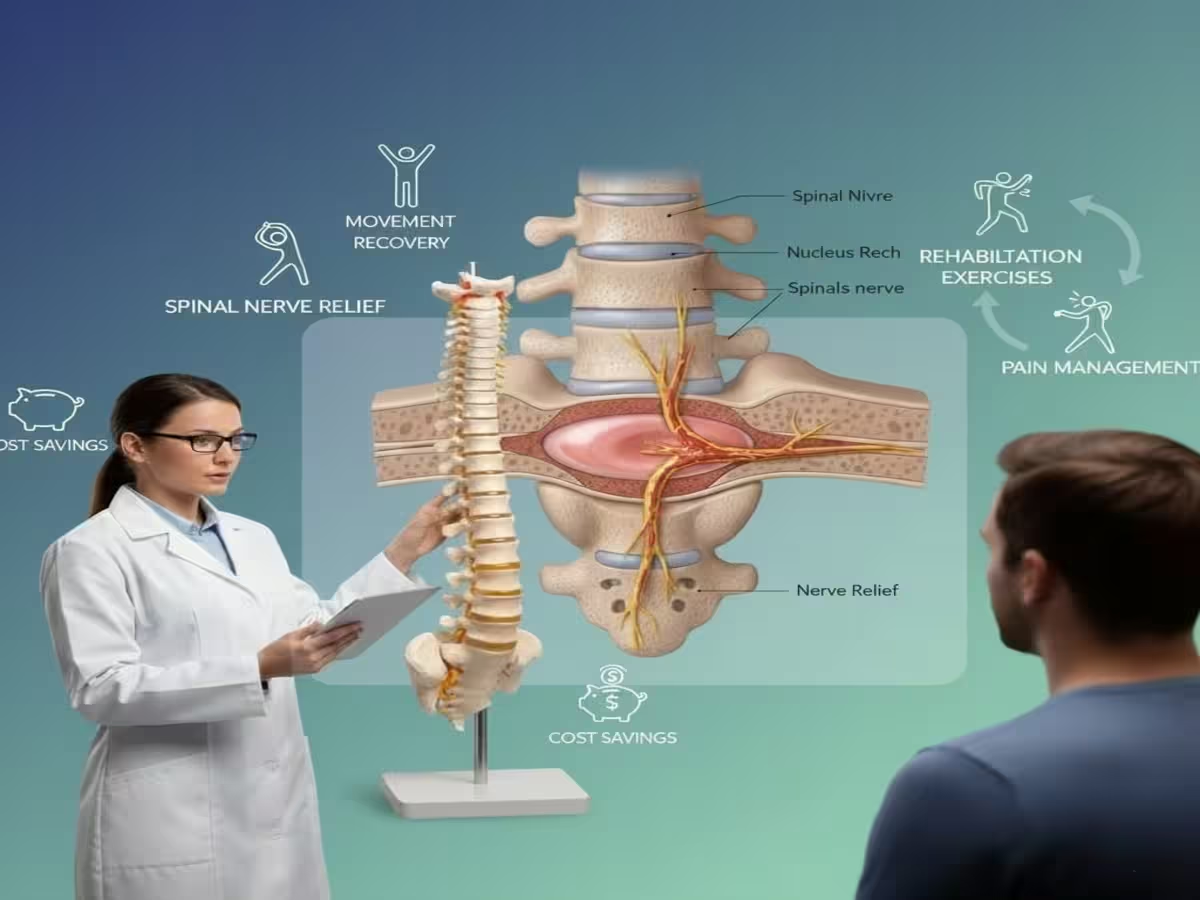
Before beginning your herniated disc treatment, you need to understand what’s really happening inside your spine. Your spinal column is made up of vertebrae cushioned by small, gel-like discs that absorb shock and keep your back flexible. When one of these discs slips or ruptures, the soft inner material presses on nearby nerves, that’s what doctors call a herniated disc.
Think of each disc like a jelly-filled cushion. When the outer layer weakens, the inner part bulges out and starts irritating the surrounding spinal nerves. This irritation causes the sharp, radiating pain that shoots from your back down to your legs, often called sciatica.
According to Johns Hopkins Medicine (2023), herniated discs affect approximately 5 to 20 out of every 1,000 adults annually, most commonly between ages 30 and 50. Common symptoms include lower back pain, muscle weakness, numbness, tingling in the legs or arms, and pain that worsens when sitting or bending. Neurologists use advanced diagnostic tools such as MRI scans, nerve conduction tests, and reflex analysis to identify which nerve root is affected. Early diagnosis and herniated disc treatment not only prevent chronic pain and nerve damage but also help restore flexibility and mobility. That’s why consulting a neurologist at the first sign of symptoms can make a life-changing difference.
What Neurologists Do Differently from Orthopaedic Surgeons
Many people assume that all back specialists treat herniated discs the same way. However, neurologists approach herniated disc treatment very differently from orthopaedic surgeons. While surgeons often focus on structural correction through procedures, neurologists emphasise nerve function, pain management, and rehabilitation. Their primary goal is to restore normal nerve signalling and prevent long-term damage rather than immediately resorting to surgery.
“Surgery should always be the last resort, not the first response,”
-explains Dr. Anurag Lamba.
Neurologists begin with a thorough diagnostic process, including reflex testing, nerve conduction studies, and MRI analysis, to pinpoint which nerves are affected. By understanding the root cause of the pain and the degree of spinal nerve compression, they can create a personalised, non-surgical herniated disc treatment plan.
Their strategies typically include:
- Targeted physical therapy to strengthen the spine and reduce pressure on the nerves
- Medications and anti-inflammatories to relieve pain and swelling
- Lifestyle and posture corrections to prevent recurrence
- Minimally invasive procedures only when absolutely necessary
According to Mayo Clinic (2023), most herniated discs improve without surgery, and neurologist-led treatment often results in faster recovery and reduced risk of complications. For patients unsure whether they need surgery or physiotherapy, read our detailed guide on spine surgery vs physiotherapy.
By focusing on the neurological aspects rather than just the structural, patients experience effective spinal nerve compression relief, recover more naturally, and avoid the risks and costs associated with unnecessary surger
The Core of Non-Surgical Neurologist Treatment
Neurologists like Dr. Anurag Lamba focus on providing effective herniated disc treatment without surgery by addressing the root causes of nerve pain and promoting the body’s natural recovery process. Unlike surgical approaches, Dr. Lamba’s emphasis is on nerve health, inflammation control, and functional rehabilitation: ensuring lasting recovery rather than temporary relief.
Key Components:
1. Spinal Nerve Compression Relief
Pressure on spinal nerves is the main cause of pain and discomfort. Neurologists use a combination of posture correction, targeted exercises, and neurological therapy techniques to safely relieve compression and restore normal nerve function.
2. Pain Management for Herniated Disc Patients
Pain management is critical to recovery. Dr. Lamba recommends carefully monitored medications such as anti-inflammatories, nerve blockers, or short-term muscle relaxants to help patients remain active and heal comfortably during treatment.
3. Neurological Rehabilitation for Back Pain
Rehabilitation strengthens core muscles and improves flexibility, reducing the risk of recurrence. Neurologists collaborate with physiotherapists to design a program tailored to each patient.
4. Non-Invasive Spine Care Methods
Advanced, non-surgical spine care options such as TENS therapy, ultrasound therapy, and laser therapy are used to stimulate healing and restore mobility, all without a single incision.
According to the National Institute of Neurological Disorders (2024), over 90% of herniated disc patients improve with conservative, neurologist-led care, avoiding surgery entirely.
“When we treat the nerve, we treat the problem and not just the pain,”
-notes Dr. Lamba, highlighting his philosophy of holistic, non-surgical care.
By combining these evidence-based strategies, Dr. Lamba’s herniated disc treatment offers patients a comprehensive, non-surgical path to recovery that restores movement, reduces complications, and helps them return to pain-free living safely and confidently.
Disc Herniation Recovery Exercises That Actually Work
As part of neurologist’s herniated disc treatment, specific exercises play a crucial role in natural recovery. These exercises not only strengthen the core muscles and improve flexibility but also reduce pressure on spinal nerve: the root cause of most disc-related pain.
Recommended Exercises for Herniated Disc Recovery:
1. Pelvic Tilt: Strengthens lower back muscles and supports spinal alignment.
2. McKenzie Press-Up: Helps relieve pressure on herniated discs in the lower spine.
3. Partial Crunches: Strengthens abdominal muscles without straining the back.
4. Hamstring Stretches: Reduces tension on the sciatic nerve and lower back.
These exercises are often paired with neurological rehabilitation techniques such as posture training, movement correction, and muscle re-education, all designed to restore healthy nerve communication between the spine and the rest of the body. According to Harvard Health Publishing (2024), patients who follow targeted physiotherapy and neurologist-guided exercise programs experience a 43% reduction in recurrence risk compared to those relying solely on rest or painkillers.
“Every stretch, every controlled motion, is a step toward long-term healing, not just pain relief,”
–adds Dr. Lamba.
Neurologists emphasise that these recovery exercises should be performed under professional supervision to prevent aggravating the condition. When integrated into a non-surgical herniated disc treatment plan, they help patients regain mobility faster, reduce pain effectively, and significantly improve their quality of life.
When Surgery Becomes the Last Resort and Why It’s Rare
While non-surgical herniated disc treatment under neurologists like Dr. Anurag Lamba is effective for most patients, there are a few rare cases where surgery becomes necessary. This usually happens when severe nerve compression or neurological deficits such as bladder or bowel dysfunction occur.
Before recommending surgery, neurologists conduct an in-depth evaluation using MRI scans, nerve conduction studies, and neurological reflex assessments to determine whether the condition can still be managed through non-invasive spine care. Only when the spinal nerves are at risk of permanent damage do they advise surgical intervention.
Recovery Comparison:
Non-surgical treatment: Typically 6-8 weeks, minimal risk, faster return to daily activities.
Surgery: Often 3-6 months of recovery, higher costs, potential complications, and post-operative rehabilitation required.
According to Spine-Health (2023), fewer than 10% of herniated disc patients ultimately require surgery, proving how effective neurologist-led, non-surgical herniated disc treatment can be in restoring mobility and reducing pain safely.
By choosing neurological treatment as the first line of defence, patients can make informed decisions, recover more naturally, and avoid the high costs and long-term risks associated with unnecessary spine surgery.
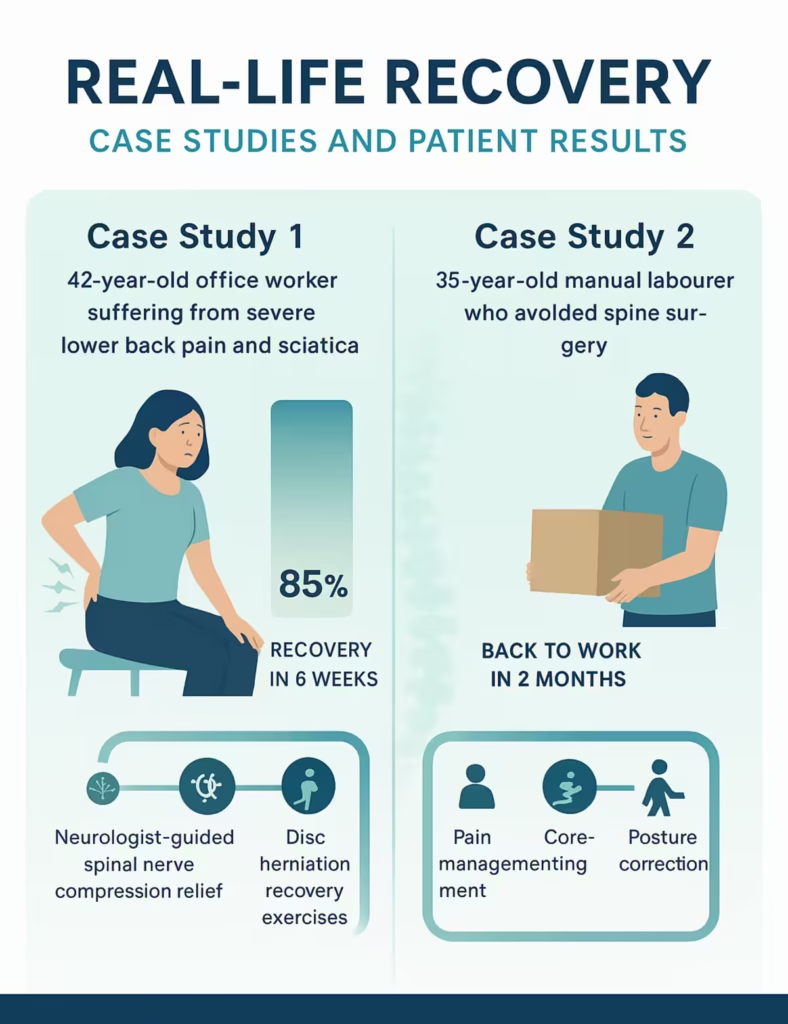
Real-Life Case Studies and Patient Results
Seeing is believing. Many of Dr. Lamba’s patients in Panchkula have regained full mobility without surgery through neurologist-led, non-invasive care.
“Recovery isn’t just physical, it’s emotional freedom from pain,”
– says Dr. Anurag Lamba.
These examples demonstrate how neurologist-led treatment not only relieves pain but also restores function safely, avoiding the risks and costs of unnecessary surgery.
How to Choose the Right Neurologist for Herniated Disc Treatment
Choosing the best neurologist, which is also right for you can significantly impact your slipped disc recovery. A skilled neurologist focuses not just on relieving pain but on restoring long-term nerve health through non-surgical, personalised treatment methods.
Tips to Find the Right Neurologist:
1. Check Credentials: Ensure the neurologist is board-certified and experienced in managing spinal nerve compression and disc herniation cases.
2. Understand Their Treatment Approach: Choose doctors who emphasise non-surgical slipped disc treatment and advanced neurological rehabilitation over immediate surgical options.
3. Physiotherapy Collaboration: The most effective neurologists coordinate with physiotherapists to recommend targeted exercises for disc herniation recovery and posture correction.
4. Review Patient Outcomes: Look for real patient testimonials that highlight recovery success through conservative, non-surgical approaches.
5. Comprehensive Consultation: A detailed evaluation including MRI analysis, nerve conduction studies, reflex testing, and pain assessment ensures a personalised recovery plan.
According to the American Academy of Neurology (2024), patients who carefully select their neurologist and follow personalized treatment plans report higher satisfaction and faster recovery rates. By selecting the right specialist, you can often avoid unnecessary surgical risks and regain mobility safely.
Long-Term Prevention and Healthy Spine Habits
Herniated disc treatment and recovery is only a part of the journey. Maintaining a healthy lifestyle and spine health is essential to prevent recurrence and ensure long-term mobility.
Key Habits Recommended by Neurologists:
- Ergonomic Posture: Maintain proper posture while sitting, standing, and sleeping to reduce spinal stress and protect the results of your herniated disc treatment.
- Regular Exercise: Engage in core-strengthening exercises and stretches like slipped disc recovery exercises to support spinal alignment and flexibility.
- Weight Management: Keeping a healthy weight reduces pressure on spinal discs and nerves, lowering the chance of future disc problems.
- Movement Breaks: Avoid prolonged sitting; take short walks to relieve spinal compression and improve circulation.
- Stress Management: Stress can increase muscle tension; mindfulness, yoga, or meditation can help relax spinal muscles and maintain nerve health.
Integrating these habits into daily life ensures your spine stays strong, mobile, and protected long after completing herniated disc treatment.
Final Thoughts: Healing Smart, Not Surgical
Neurologist-recommended herniated disc treatment in Panchkula offers a scientifically proven, non-surgical path to recovery. By focusing on nerve health, incorporating targeted exercises, and using advanced non-invasive spine care techniques, patients can safely regain mobility, relieve pain, and avoid unnecessary surgery.
“Healing is a process of partnership between science, patient discipline, and guided care,”
– Dr. Anurag Lamba.
Most herniated disc cases significantly improve with neurologist-led, conservative care, making surgery a last resort rather than the first option. Choosing the right neurologist, following a personalised treatment plan, and maintaining healthy spine habits are the foundations of long-term recovery.
By investing in expert neurologist-guided care, you not only restore spinal function but also build lasting resilience against future disc problems, ensuring your back stays strong, pain-free, and healthy for years to come.
So, if you’re struggling with back pain or suspect a herniated disc, consult Dr. Anurag Lamba for an accurate diagnosis and holistic, non-surgical treatment approach tailored to your condition.
Medical Disclaimer :This article is for informational purposes only and is not a substitute for professional medical advice, diagnosis, or treatment. Always consult a qualified neurologist or healthcare provider before making any decisions regarding herniated disc treatment or performing any exercises mentioned in this article. Individual conditions vary, and what works for one patient may not be suitable for another.