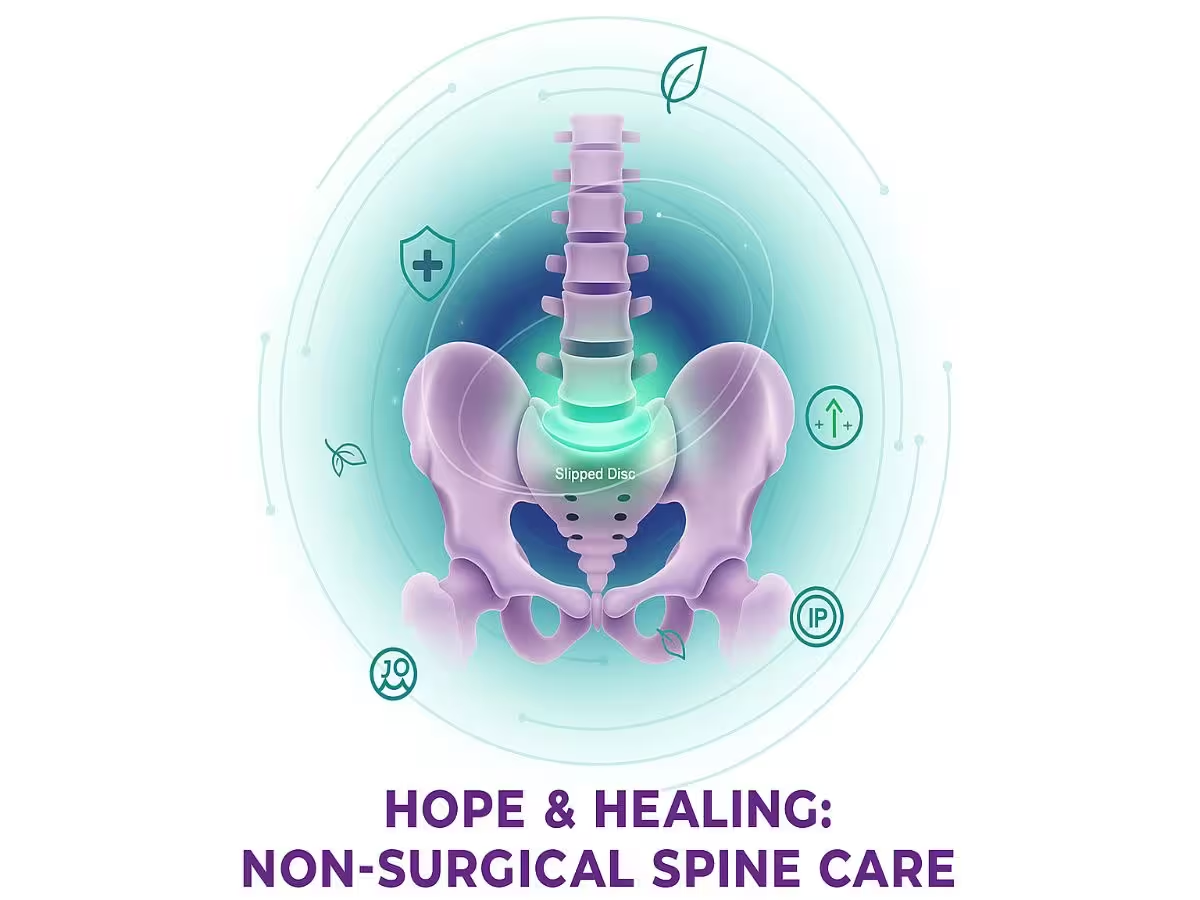
If you believe surgery is the only way to fix a slipped disc, you may already be one step behind. Every year, millions of patients rush into invasive operations while neurologists quietly guide others toward a faster, safer path: a proven slipped disc treatment that restores mobility without a single incision. According to clinical reviews, nearly 80–90% of slipped disc cases improve through non-surgical care when treated early and consistently. Yet, many people wait until their pain becomes unbearable, missing the critical recovery window where natural healing and guided therapy can do wonders.
This blog will reveal what top neurologists swear by: the science-backed, non-surgical treatment plan that targets the root cause instead of masking pain. From early symptoms to posture correction, exercises, and real recovery timelines, you will learn what truly works and why waiting too long could cost you more than just comfort, it could cost your spine’s future health.
What Exactly Is a Slipped Disc?
A slipped disc, also known as a herniated or prolapsed disc, occurs when the soft cushion-like centre of a spinal disc pushes through a small tear in its outer layer. This pressure on nearby nerves causes the sharp pain, numbness, or tingling that patients often describe as unbearable.
The condition is more common than most realise. Studies show that 5 to 20 adults per 1,000 experience a herniated disc every year, with nearly 90% of cases affecting the lower back region. Prolonged sitting, poor posture, heavy lifting, and lack of exercise are often the hidden triggers that weaken spinal discs over time. Fortunately, with early diagnosis and the right slipped disc treatment, most patients can recover without surgery and restore normal spinal function through guided care and rehabilitation.
Why Surgery Isn’t Always the Answer
Surgery may sound like a permanent fix, but neurologists reveal that most patients recover fully with guided, non-invasive care.
“Modern lifestyles have changed how our spines behave; sitting for hours is now more harmful than lifting weights.”
-Dr. Anurag Lamba
Research highlights that 80 to 90 percent of slipped disc patients improve without surgery when proper physiotherapy, posture correction, and lifestyle changes are introduced early.These numbers prove that the real slipped disc treatment does not always involve the operating table. It begins with understanding the body’s natural ability to heal when pressure on the nerves is reduced, muscles are strengthened, and mobility is safely restored.
The Real Causes Behind Slipped Disc (That Most People Overlook)
Most people believe a slipped disc happens only after a heavy workout or sudden jerk, but in reality, the condition builds up silently over time. The spine bears the weight of your body every single day, and when its natural alignment is disturbed, even slightly, the risk of disc prolapse increases dramatically. Here are some probable causes which might be overlooked in our daily life:
1. Poor Posture and Sedentary Lifestyle: Spending hours slouched over laptops or mobile screens weakens the spinal muscles that support your vertebrae. Over 70% of young professionals suffer from posture-related back issues caused by long sitting hours. Maintaining proper posture and starting early slipped disc treatment through corrective exercises can prevent long-term nerve compression.
2. Improper Lifting Techniques: Lifting heavy weights, whether in the gym or during daily chores, puts direct pressure on the lower back. If done incorrectly, it can cause the disc to bulge or rupture. That’s why physiotherapists always emphasise posture correction as a key part of slipped disc treatment.
3. Ageing and Degeneration: As we age, the discs naturally lose hydration and elasticity. This makes them less capable of cushioning the vertebrae during movement. Disc degeneration is one of the primary contributors to herniated disc cases among people over 40.
4. Sudden Trauma or Injury: A sudden accident, fall, or even a hard sneeze can cause a spinal disc to slip, especially if the back muscles are already weak. These acute injuries often lead to instant pain, numbness, or tingling sensations along the spine or legs.
5. Obesity and Lack of Core Strength: Excess weight puts immense stress on the lower back. Combined with weak abdominal muscles, this imbalance pulls the spine out of alignment. Incorporating weight management and strengthening exercises as part of slipped disc treatment can significantly reduce pressure on the lower spine.
6. Genetic and Lifestyle Factors: Family history, smoking, and lack of movement also play silent roles. Lifestyle factors also play a major role in neurological health. Smoking reduces oxygen supply to the spinal tissues, slowing the healing process and increasing the risk of recurring slipped disc pain.
Personalised slipped disc treatment guided by a neurologist can help counter these risk factors and protect long-term spinal health.
Symptoms You Should Never Ignore
A slipped disc often begins quietly, with discomfort that many people dismiss as routine back pain. However, early signs can indicate much more than muscle strain. Recognising these warning symptoms can help you begin timely slipped disc treatment and avoid long-term nerve damage.

How Neurologists Treat Slipped Disc Without Surgery
Most people believe that surgery is the only solution for a slipped disc, but modern neurology and physiotherapy have completely changed this perception. Neurologists now focus on non-surgical slipped disc treatment methods that help patients recover naturally, restore spinal health, and prevent relapse.
1. Comprehensive Diagnosis and Imaging
A neurologist begins by identifying the exact location and severity of the spinal disc herniation through MRI or CT scans. These advanced imaging techniques reveal how the disc is pressing against nearby nerves, helping doctors personalise the treatment plan instead of relying on a one-size-fits-all approach. In mild to moderate cases, doctors may prescribe anti-inflammatory medicines and muscle relaxants to reduce pressure on the nerves.
2. Targeted Physiotherapy and Strength Training
Physiotherapy remains one of the most effective non-surgical remedies for herniated disc recovery. It focuses on stretching, posture correction, and strengthening the muscles that support the spine. Structured exercise therapy helps reduce back pain and improve function in over 70% of patients with lumbar disc problems.
3. Spinal Decompression Therapy
This gentle, traction-based therapy relieves pressure from the affected disc by creating negative space between vertebrae. It enhances nutrient flow, accelerates healing, and reduces nerve irritation, making it a key part of holistic slipped disc treatment plans. Simple daily changes, such as correct lifting posture and core-strengthening exercises, reduce future risks of slipped disc pain recurrence.
4. Chiropractic and Manual Adjustments
Certified chiropractors often work alongside neurologists to improve spinal alignment and relieve pressure from affected areas. The Journal of Manipulative and Physiological Therapeutics (2023) reported that patients who underwent chiropractic adjustments showed significant improvement in pain relief and mobility within six weeks.
5. Advanced Non-Invasive Therapies
Techniques like Transcutaneous Electrical Nerve Stimulation (TENS), ultrasound therapy, and heat-based treatments help in reducing pain without medications. These methods improve blood circulation and promote natural disc healing while maintaining spinal flexibility.
“When guided correctly, your spine knows how to heal itself, you just need to give it the right environment.”
-Dr. Anurag Lamba
The new-age approach is not about quick fixes but sustained spinal wellness. When guided by expert neurologists, patients often achieve lasting recovery through consistency, patience, and evidence-based care, proving that real healing rarely needs surgery.
Best Exercises to Relieve Slipped Disc Pain (Approved by Experts)
Movement is medicine especially for those undergoing slipped disc treatment. Contrary to the myth that rest is best, experts now confirm that controlled movement and targeted exercises help speed up recovery and prevent further degeneration. When done correctly, these exercises strengthen spinal support, reduce pressure on the herniated area, and improve posture, making them a vital part of every non-surgical slipped disc treatment plan.
1. Pelvic Tilts
This gentle movement helps strengthen the lower abdominal and back muscles. It improves spinal flexibility and reduce chronic lower back pain in patients with disc issues.
How to do it:
- Lie flat on your back with knees bent and feet flat on the floor.
- Tighten your abdominal muscles and gently tilt your pelvis upward for 5–10 seconds before relaxing.
- Repeat 10–15 times daily for consistent results as part of your slipped disc treatment routine.
2. Cobra Stretch (Bhujangasana)
A staple yoga pose for spinal health, the cobra stretch helps decompress the spine and relieve slipped disc pain. Such extension-based movements significantly reduce lumbar disc pressure, making it a cornerstone of many slipped disc treatment programs.
How to do it:
- Lie on your stomach.
- Place your palms under your shoulders, and slowly lift your chest upward while keeping your hips grounded.
- Hold for 10 seconds and repeat 5–8 times.
3. Knee-to-Chest Stretch
This exercise increases spinal mobility and releases tension in the lower back, an essential part of recovery for anyone undergoing slipped disc treatment.
How to do it:
- Lie on your back.
- Bring one knee to your chest, hold for 20 seconds, then switch legs.
- Perform 5 repetitions on each side.
It helps relax tight lumbar muscles and supports spinal disc herniation recovery.
4. Cat-Cow Stretch
This yoga-inspired move promotes flexibility and alignment throughout the spine. Such mobility exercises restores spinal motion, reducing stiffness in patients receiving the treatment.
How to do it:
- Get on all fours and inhale while arching your back (cow pose).
- Then exhale and round your back (cat pose).
- Repeat 10–12 times slowly.
5. Wall Sits
Perfect for building core and leg strength without stressing the spine. It also complements non-invasive slipped disc treatment plans by enhancing spinal endurance and support.
How to do it:
- Stand against a wall and slide down until your knees are bent at a 90-degree angle.
- Hold for 15–20 seconds and rise slowly.
- Repeat 3–4 times daily.
6. Bridge Pose
An essential exercise for slipped disc treatment, the bridge pose targets the glutes, lower back, and hamstrings: key areas that stabilise your spine.
How to do it:
- Lie on your back and bend your knees.
- Now lift your hips while keeping your shoulders on the ground.
- Hold for 10 seconds, then release.
- Perform 10–15 repetitions daily.
Expert Tip: Always perform these exercises under the guidance of a trained physiotherapist. Incorrect postures can worsen disc prolapse instead of healing it.
When done consistently, combined with proper rest, hydration, and posture correction, exercise becomes one of the most effective natural methods of slipped disc treatment: helping patients avoid surgery and reclaim mobility safely.
The Role of Posture and Ergonomics in Recovery
Recovering from a slipped disc is not only about exercises and therapies; it’s about transforming your everyday habits. Even the best slipped disc treatment can lose effectiveness if you continue to sit, stand, or sleep incorrectly. Neurologists often remind patients that posture is the invisible medicine for the spine.
1. Sitting Smart: The 90-90-90 Rule
Most people spend hours sitting in front of computers, which increases spinal pressure. Poor sitting posture increases lumbar disc strain by up to 60%, directly contributing to lower back pain. Experts recommend the 90-90-90 rule: keep your hips, knees, and ankles at 90 degrees while sitting. Your chair should support the natural curve of your lower back.
2. Standing with Alignment
Keep your shoulders relaxed, stomach pulled in, and weight evenly distributed on both feet. Standing for long hours can fatigue the lower back, so use a footrest alternately under each foot to relieve pressure. This posture correction forms a vital part of every non-surgical slipped disc treatment plan.
3. Safe Sleeping Positions
Avoid sleeping on your stomach as it strains the neck and spine. Instead, sleep on your back with a pillow under your knees or on your side with a cushion between your thighs. Proper spinal alignment during rest helps your discs rehydrate and heal naturally.
4. Ergonomic Workspaces
Your workspace design plays a major role in spinal health. Adjust your monitor to eye level, keep your keyboard close to your body, and use a supportive chair. According to the National Institute for Occupational Safety and Health (NIOSH, 2024), ergonomically designed setups can reduce slipped disc pain recurrence by over 45%.
5. Movement Breaks and Posture Correction Therapies
Every 30-40 minutes, stand, stretch, or walk for a minute to prevent stiffness. These micro-breaks promote circulation and relieve disc compression. Consistent mobility is essential for sustaining long-term spinal disc herniation recovery. Many physiotherapists now use posture correction tools and wearable devices to train patients’ backs into proper alignment.
Every sitting position, sleeping angle, and movement pattern influences how the spine recovers that’s why it is also monitored as a part of non-surgical slipped disc treatment. Maintaining the right posture is like giving your spine the support system it deserves. When combined with exercise and physiotherapy, ergonomic awareness not only prevents relapse but also builds a pain-free, stronger back for years to come.
Lifestyle Habits That Accelerate Healing (and What to Avoid)
Healing from a slipped disc requires more than just medication or physiotherapy, it calls for mindful, long-term lifestyle changes that protect your spine, improve muscle balance, and promote sustainable recovery. Many patients unknowingly slow their healing by maintaining habits that strain the back or dehydrate the spinal discs. Adopting the right daily practices can greatly enhance the results of your slipped disc treatment and prevent future flare-ups.
1. Maintain a Healthy Weight
Excess body weight adds pressure to the lumbar region, forcing the spinal discs to bear unnecessary strain. Losing just 5–10% of body weight can significantly reduce slipped disc pain and inflammation, according to a Mayo Clinic (2024) report. Balanced weight management helps stabilise your posture and improves overall spinal health.
2. Stay Hydrated
The spinal discs act as cushions between vertebrae, and each disc contains a high percentage of water. Dehydration can cause the discs to lose flexibility and height, increasing friction and pain. Drinking enough water daily helps maintain disc elasticity and prevents further spinal disc herniation.
3. Eat an Anti-Inflammatory Diet
Nutrition plays a quiet yet powerful role in spinal recovery. Foods rich in omega-3 fatty acids, turmeric, ginger, berries, and leafy greens help reduce inflammation around the spinal nerves. Anti-inflammatory diets can reduce chronic back pain symptoms by up to 25%. A balanced diet enhances the effectiveness of your slipped disc treatment by supporting tissue repair from within.
4. Avoid Smoking and Alcohol
Smoking limits oxygen flow to spinal tissues, delaying disc repair. Similarly, excessive alcohol dehydrates the body and interferes with nutrient absorption. These habits not only worsen existing damage but also increase the risk of recurring disc prolapse.
5. Prioritise Movement Over Rest
While rest is essential during acute pain, prolonged inactivity weakens the core and slows down recovery. Simple walking, stretching, or yoga promotes circulation, strengthens muscles, and reduces stiffness. The World Health Organization (2024) recommends at least 150 minutes of light movement per week for spinal health maintenance.
6. Manage Stress Effectively
Chronic stress triggers muscle tension, particularly around the neck and lower back. Meditation, breathing exercises, and proper sleep regulate cortisol levels and relax spinal muscles, accelerating healing naturally.
Small, consistent lifestyle changes often create the biggest impact. When you combine medical guidance with healthy daily habits, recovery becomes faster, more natural, and far more sustainable. This approach allows many patients to avoid surgery altogether and enjoy lasting relief through non-surgical slipped disc treatment.
When to Seek Medical Attention: Knowing Your Limits
While non-surgical approaches and physiotherapy work successfully for most patients undergoing slipped disc treatment, there are moments when medical intervention becomes absolutely essential. Ignoring advanced symptoms can lead to long-term nerve compression, chronic pain, or even permanent disability if left untreated.
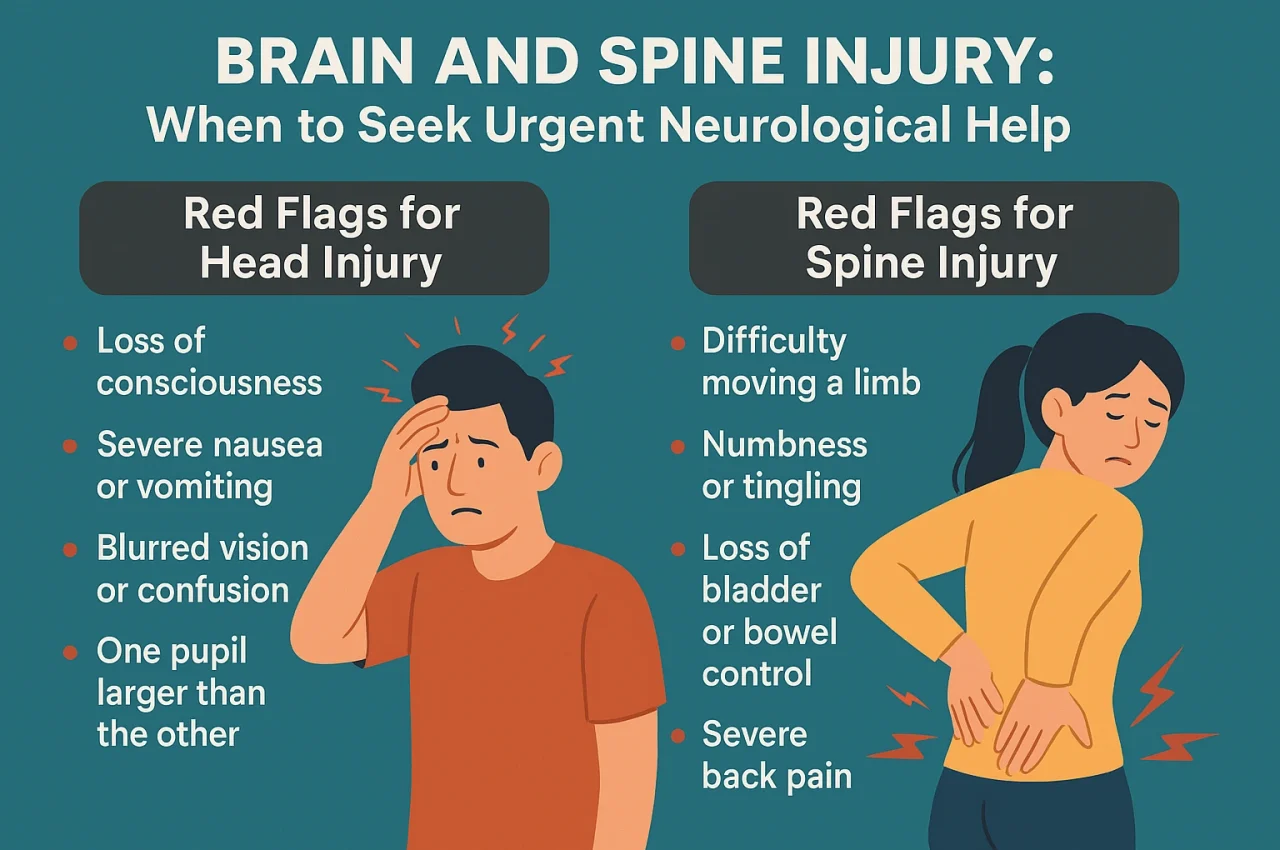
If you experience persistent back or leg pain that does not improve after several weeks of rest, posture correction, or guided exercises, it’s time to consult a neurologist. Warning signs such as numbness or tingling in the legs, sudden weakness on one side of the body, or loss of bladder or bowel control may indicate severe nerve involvement that requires urgent neurological assessment.
“The earlier you seek professional help, the less likely you’ll ever need surgery.”
– Dr. Anurag Lamba
According to AANS, around 10-15% of patients with a herniated disc may eventually require surgical consultation when conservative slipped disc treatment methods do not yield improvement. However, timely diagnosis and early management can prevent escalation to that stage.
A neurologist not only evaluates nerve function and spinal alignment but also tailors a personalised slipped disc treatment plan, often combining physiotherapy, pain-relief therapies, and targeted rehabilitation to restore mobility safely. Remember, the real goal of recovery is more than just pain reduction: it’s about regaining spinal strength, preventing recurrence, and ensuring long-term nerve health through informed, timely care.
Final Thoughts: Healing Without Fear
Living with a slipped disc can feel like a battle between pain and uncertainty, but with the right guidance, recovery is absolutely possible without surgery. The real secret lies in consistency. Healing a slipped disc takes time, discipline, and awareness. With the accurate mix of posture correction, targeted physiotherapy, and guided neurological care, slipped disc treatment can help your spine heal naturally and regain its strength. Instead of chasing instant relief, focus on long-term healing that protects your back for years to come.
If you are struggling with symptoms that do not improve or suspect complications, consult a qualified neurologist before trying new exercises or therapies. Early guidance can make all the difference between short-term relief and lasting recovery. Dr. Anurag Lamba’s integrative slipped disc treatment approach combines medical precision with compassionate care, ensuring every patient receives an individualised plan that works with their body, not against it.
Healing takes time, consistency and awareness, but most importantly, it takes the right guidance.
Medical Disclaimer
This article is for educational and informational purposes only. It is not intended as medical advice and should not replace consultation with a qualified healthcare professional for any type of injury. Always seek the advice of your doctor or neurologist regarding any medical condition, diagnosis, or slipped disc treatment plan, if any.