Millions of people hit the gym or roll out their yoga mats to strengthen their backs every day but only a few realise that they might be doing more harm than good. According to the World Health Organization (WHO), over 540 million people worldwide suffer from back pain, and improper exercise technique is one of the silent culprits behind worsening spinal injuries.
If you’ve been diagnosed with a slipped disc, your body is already under pressure, literally. One wrong movement or high-impact workout can push the disc further out of place, compress nerves, and intensify the pain. While staying active is crucial for recovery, knowing the exercises to avoid in slipped disc conditions is even more vital.
In this guide,we have compiled the 7 common slipped disc exercise mistakes that could be sabotaging your healing process. Learn which unsafe exercises for slipped disc patients you must skip, and discover safer, spine-friendly alternatives that support recovery instead of risking it.
Understanding a Slipped Disc: The Science Behind the Pain
Before identifying the exercises to avoid in slipped disc, it is important to understand what actually happens inside your spine. A slipped disc, also known as a herniated or bulging disc, occurs when the soft cushion-like material between your vertebrae slips out of place or ruptures. This displaced disc can press on nearby nerves, causing pain, numbness, or weakness that radiates through your back and legs.
According to Cleveland Clinic, slipped discs most commonly affect the lower back, and poor posture, heavy lifting, or repetitive strain often contribute to this condition. What many patients do not realise is that their daily movements, even something as simple as bending or twisting can worsen this pressure over time.
“Your spine is designed for movement, but not for careless motion. When you have a slipped disc, precision and posture become your strongest medicine.”
-Dr. Anurag Lamba
Understanding how your spine functions and reacts under stress is the first step in recovery. Once you know how fragile the balance is, you will naturally begin to identify the slipped disc exercise mistakes that may be making things worse rather than better.
Why Certain Exercises Make Your Slipped Disc Worse (Before You Even Know It)
Not all workouts are created equal, especially when it comes to spine health. While exercise is essential for recovery, some movements can unintentionally place excessive pressure on the spinal discs, making then the worst exercises to avoid in slipped disc. These repetitive slipped disc exercise mistakes can push the disc further out of alignment and aggravate the surrounding nerves.
Research shows that bending forward can increase spinal pressure by up to 80 percent, especially when performed repeatedly during workouts like sit-ups or heavy deadlifts. This means that even simple stretches or gym routines can be harmful if they involve deep bending, twisting, or impact-heavy movements. Many patients believe pain only means progress, but in spinal recovery, it often signals damage. The right exercise heals, the wrong one delays recovery.
The key takeaway is to stay mindful of your posture, weight load, and form. If your goal is long-term healing, it’s vital to identify unsafe exercises for slipped disc patients early and replace them with low-impact alternatives approved by a physiotherapist.
7 Common Exercises to Avoid in Slipped Disc Recovery
If you have a slipped disc, some workouts can silently worsen your condition even when they appear to “strengthen” your back. Below are seven of the most common exercises to avoid in slipped disc recovery, along with safer alternatives that promote healing instead of harm.
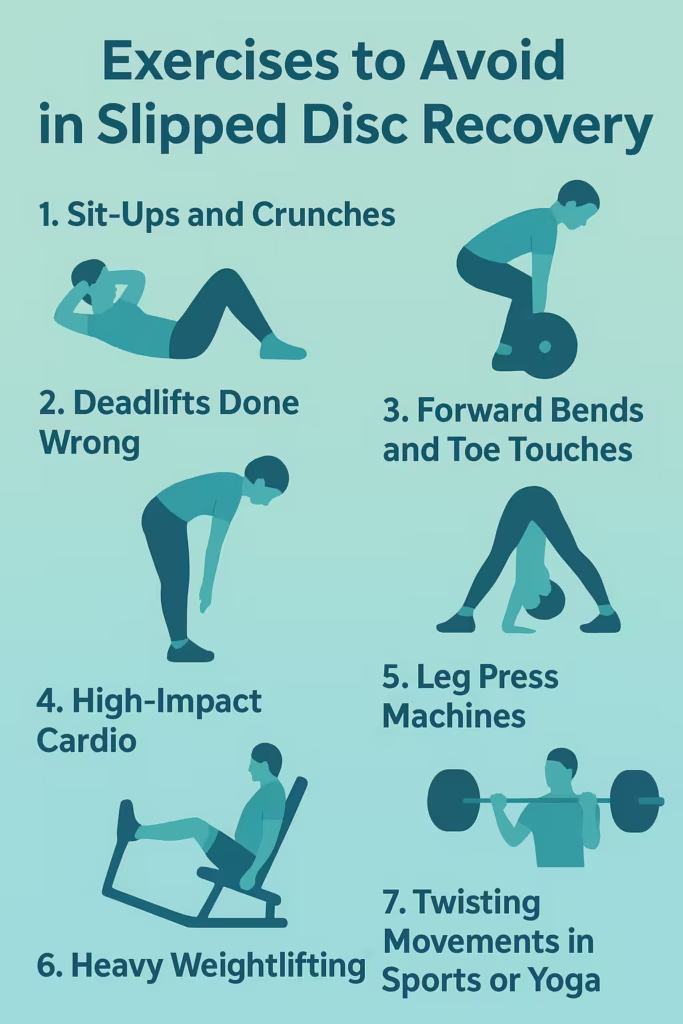
1. Sit-Ups and Crunches: The Silent Disc Destroyers
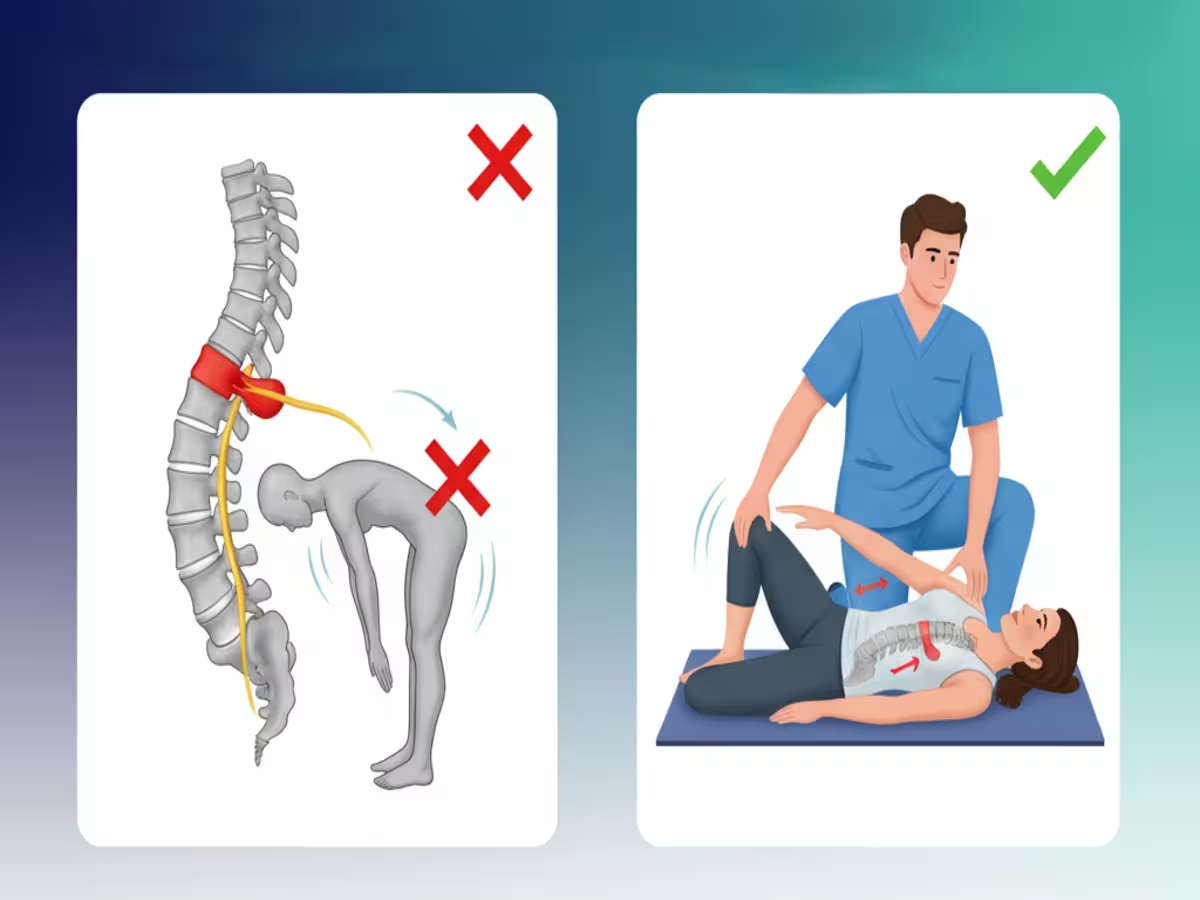
While sit-ups and crunches are often promoted as core-strengthening exercises, they can actually worsen spinal compression. Each time you curl forward, the spine bends and pushes the disc material further outward, straining the lower back. Repeated spinal flexion can lead to disc degeneration and pain over time, thats why sit ups come first in the list of exercises to avoid in slipped disc.
Safer Alternative: Replace these with pelvic tilts or partial crunches that engage your core without excessive lumbar pressure.
2. Deadlifts Done Wrong: When Form Turns Fatal for Your Spine
Deadlifts are a staple of strength training, but for those with a herniated disc, improper form can be disastrous. Lifting heavy weights with a rounded back significantly increases spinal compression. This is one of the most dangerous slipped disc exercise mistakes seen in gyms.
Safer Alternative: Practice glute bridges or hip thrusts under physiotherapist supervision to activate your posterior chain safely.
3. Forward Bends and Toe Touches: Flexibility Myths That Hurt
While forward bends and toe touches may seem harmless, they place extreme stress on the lumbar spine, especially when the discs are already inflamed. Over time, this constant bending worsens nerve compression.
Safer Alternative: Try gentle hamstring stretches lying flat on your back using a resistance band: a safe workout for herniated disc recovery.
4. High-Impact Cardio: Jumping into More Pain
Jumping, running, or skipping might seem like great calorie-burners, but they send repeated shockwaves through your spine. These impact-heavy moves can cause microtrauma, delaying recovery and intensifying back pain.
Safer Alternative: Opt for low-impact cardio such as swimming, walking on an incline, or cycling, which strengthen your back without risking further injury.
5. Leg Press Machines: The Hidden Culprit in Gym Routines
Leg presses may look like lower-body exercises, but they exert enormous pressure on the lower back. Each repetition pushes the lumbar discs against resistance, making this one of the top exercises to avoid in slipped disc recovery.
Safer Alternative: Use resistance bands or perform bodyweight squats under guidance to build strength without spinal strain.
6. Heavy Weightlifting: Pride Over Pain
Many gym-goers believe lifting heavier equals faster results, but this mindset often backfires. Research reveals that nearly 40% of gym injuries are caused by improper load handling and poor form.
Safer Alternative: Use lighter weights and focus on slow, controlled reps. Prioritise spinal alignment over ego.
7. Twisting Movements in Sports or Yoga
Rotational stress from certain yoga poses or sports like tennis can worsen disc bulging. Rapid twisting motions apply uneven pressure to spinal discs, often leading to inflammation or nerve irritation.
“When recovering from a slipped disc, avoid any motion that twists your spine beyond comfort. Controlled movement under professional guidance is your safest path forward.”
-Dr. Anurag Lamba
Safer Alternative: Stick to gentle, non-rotational yoga poses like Cat-Cow or Child’s Pose, always approved by your physiotherapist.
Safer Alternatives: What You Can Do Instead
Avoiding harmful exercises doesn’t mean giving up on fitness. The goal is to strengthen your spine safely while reducing nerve pressure and inflammation. The following safe alternatives are designed to support healing while maintaining mobility and flexibility: a must for anyone recovering from a slipped disc.
According to AAOS, low-impact strengthening combined with gentle stretching significantly improves recovery outcomes for spinal conditions.
1. Core Stabilisation Exercises
Instead of crunches, try pelvic tilts and bridges. These engage your abdominal and glute muscles without compressing the spine, offering stability and reducing stress on the affected disc.
2. Low-Impact Cardio
Swimming, walking, or stationary cycling can keep your cardiovascular system active while protecting your lower back. Water-based therapy, in particular, helps reduce body weight pressure on the spine and promotes flexibility.
3. Gentle Yoga and Stretching
Choose restorative yoga poses such as Child’s Pose, Sphinx Pose, or Cat-Cow to ease muscle tension and improve circulation. Avoid deep forward folds or rotations as these are unsafe exercises for slipped disc patients and can reverse progress.
4. Guided Physiotherapy Sessions
A certified physiotherapist can help design a safe workout for herniated disc recovery, focusing on posture correction, core stability, and controlled motion. Dr. Anurag Lamba often recommends personalised physiotherapy routines tailored to the patient’s condition and recovery stage.
“Your recovery is not about pushing harder, but moving smarter. The right guidance can turn pain into progress.”
-Dr. Anurag Lamba
Expert Advice: How Physiotherapy Prevents Slipped Disc Recurrence
If you’ve ever had a slipped disc, you probably worry about one thing- will it happen again?
Dr. Anurag Lamba explains that recurrence is common when patients rely only on medicine for temporary relief. Physiotherapy, however, offers a long-term shield by targeting the root causes behind disc herniation.
1. Strengthens the Spine’s Support System
Physiotherapy focuses on building core and back muscle strength, which stabilises the vertebral column. Stronger muscles reduce the pressure on spinal discs, preventing future herniations.
Think of physiotherapy as retraining your spine’s natural armour, Once your muscles support your back effectively, the chances of re-injury drop significantly.
2. Corrects Posture and Alignment
Bad posture, especially from prolonged sitting, can quietly wear down your spinal discs. Physiotherapists correct this through postural training and ergonomic advice, ensuring the spine stays aligned even during daily activities.
3. Improves Flexibility and Mobility
Targeted stretching and mobility exercises (excluding those exercises to avoid in slipped disc), enhance spinal flexibility, reducing stiffness (which can be the reason od many spinal cord related issues) and disc strain. This increases resilience against sudden movements that could trigger another slipped disc episode.
4. Encourages Safe Lifestyle Modifications
Physiotherapists guide patients on safe lifting techniques, sleeping postures, and everyday habits that protect the spine. With consistent practice, these lifestyle changes become second nature; making recurrence far less likely.
5. Reduces Dependence on Medicine
By naturally improving strength, posture, and function, physiotherapy minimises the need for long-term medication which only masks pain instead of resolving it.
Bottom Line:
Physiotherapy empowers your body to heal, strengthen, and safeguard itself. That’s why neurologists increasingly recommend non-surgical slipped disc treatment focused on long-term prevention, not just short-term relief.
When to See a Neurologist for Slipped Disc Pain
Recognising the warning signs, and asking yourself certain questions early is crucial for preventing permanent damage from a slipped disc. While mild discomfort may improve with rest and physiotherapy, certain symptoms require immediate medical attention.
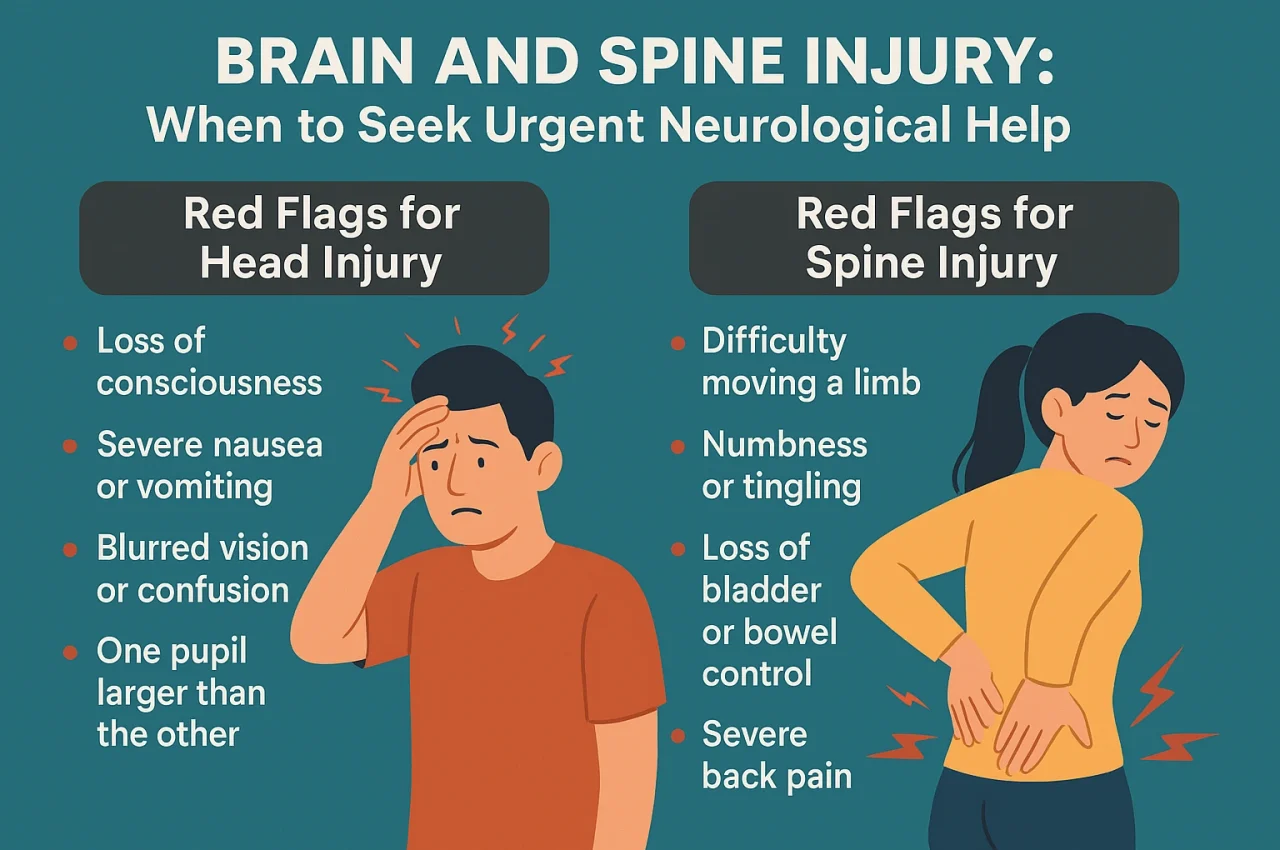
Red Flags to Watch For:
- Persistent or worsening back pain that does not improve with rest
- Numbness, tingling, or weakness in your legs or arms
- Loss of bladder or bowel control
- Pain radiating down one leg (sciatica)
- Difficulty standing or walking
If you notice any of these, it is critical to consult a neurologist or spine specialist promptly. Early intervention can prevent long-term nerve damage and avoid the need for surgical procedures.
Why Professional Guidance Matters
Dr. Anurag Lamba emphasises, “A slipped disc is not just a back problem. Ignoring severe symptoms can lead to nerve compression, muscle weakness, and chronic pain. Timely assessment allows us to personalise treatment and ensure safe recovery.”
Even when practising safe exercises for herniated disc at home, professional monitoring ensures you do not inadvertently perform slipped disc exercise mistakes that could slow healing.
Final Thoughts: Train Smart, Heal Smarter
Recovering from a slipped disc is not about pushing yourself harder or doing every exercise you see online. It’s about choosing the right movements, avoiding harmful exercises, and strengthening your spine safely. By understanding the exercises to avoid in slipped disc, you can prevent further injury while promoting long-term healing.
Remember, the key is consistency with safe, guided physiotherapy, posture awareness, and gradual strengthening.
“Your spine responds to care, not force. Move wisely, and your body will reward you with recovery and resilience.”
-Dr. Anurag Lamba
Taking the time to identify slipped disc exercise mistakes and adopting safe alternatives can drastically improve your quality of life. With informed guidance, you don’t just recover: you regain strength, confidence, and freedom of movement.
however, If you are struggling with back pain or unsure which movements are safe for your condition, book a consultation with Dr. Anurag Lamba today. Get a personalised plan to strengthen your spine, correct posture, and a particular list of the common exercises to avoid in slipped disc that could slow your recovery. Don’t let pain control your life; take the first step toward safe and effective healing.
Medical Disclaimer
This content is intended for informational purposes only and should not replace professional medical advice. Always consult a qualified neurologist or physiotherapist before starting, modifying, or stopping any exercise or treatment plan. Individual results may vary depending on the severity of the condition.