
It usually starts quietly. A strange pull in the leg. A jolt when standing up. A burning line that shoots down from the lower back and disappears just long enough to be ignored. Until it doesn’t.
For many people, this is the moment when everyday life begins to revolve around pain. Sitting is planned. Walking is cautious. Sleep feels broken. And that’s when the search for sciatica pain relief in Panchkula truly begins, not out of curiosity, but out of frustration.
What makes sciatica exhausting isn’t just the pain. It’s the confusion around it. One day painkillers seem to help. Another day they don’t. Someone says rest. Someone else warns about surgery. Weeks pass, and the pain keeps changing its form, sometimes sharp, sometimes numb, sometimes deeply unsettling.
The truth is, sciatica is often misunderstood. And until what’s irritating the nerve is clearly understood, relief remains temporary at best. Real recovery usually starts not with stronger treatment, but with clearer understanding.
What Sciatica Actually Is?
Sciatica isn’t a disease. It’s the body’s way of saying a nerve is irritated, compressed, or unhappy somewhere along its path. At its core, sciatica happens when the sciatic nerve – the longest nerve in the body, gets disturbed.
This nerve starts in the lower back, passes through the hips and buttocks, and runs down each leg. When pressure builds along this route, pain doesn’t stay put. It moves.
That’s why people often feel:
- Pain starting in the lower back but travelling downward
- A pulling or burning sensation in one leg
- Tingling or numbness instead of constant pain
- Weakness that shows up only while walking or standing
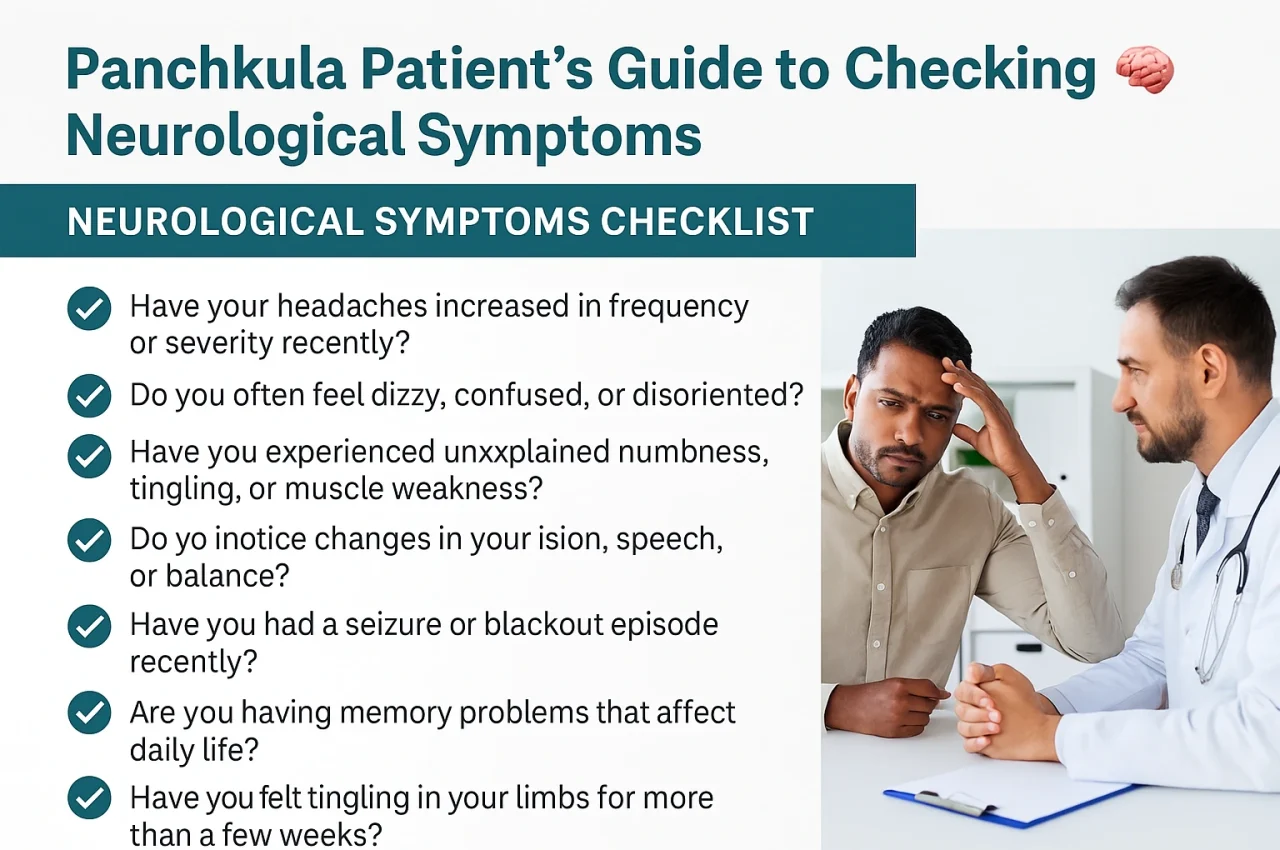
This is where many people get confused. Not all lower back nerve pain is sciatica, and not all leg pain means the nerve is damaged. Sometimes the nerve is irritated by muscle tightness. Other times, posture, prolonged sitting, or disc-related changes play a role.
Understanding this difference matters. Because treating sciatica pain relief in Panchkula isn’t about chasing pain, it’s about calming the nerve itself. And that distinction changes everything about how recovery should be approached.
Why Sciatica Pain Keeps Returning Despite Medicines
Painkillers are tempting. They work fast, and when the pain eases, it feels logical to assume the problem is under control. The issue is, relief and recovery are not the same thing. One common reason is herniated disc sciatica. When a disc bulges or slips, it can press against the nerve root. The pressure may reduce temporarily with rest or medication, but the mechanical stress often remains. Once normal activity resumes, the pain follows.
Another overlooked factor is muscle behaviour. Tight hip muscles, deep spinal muscles, or poor movement patterns can keep pulling on the nerve. Over time, the nerve becomes sensitive. Even small triggers like sitting too long or bending awkwardly can restart the pain cycle. This is how chronic nerve pain quietly develops. Not because the condition is severe, but because the nerve never truly gets a chance to settle.
There’s also an uncomfortable truth many people don’t hear early enough. Repeated reliance on medicines can mask warning signs. By the time numbness or weakness appears, the nerve has already been irritated for far too long. That’s why lasting sciatica pain treatment focuses less on silencing pain and more on removing what keeps provoking it.
Does Sciatica Pain Treatment Always Mean Surgery?
Surgery is often the fear that sits quietly in the back of a patient’s mind. The moment leg pain refuses to settle, the assumption creeps in – this must be serious. That assumption is understandable. It’s also usually wrong.
Most cases of sciatica do not need surgery. In fact, jumping to surgical thinking too early can create more anxiety than solutions. Sciatic nerve pain is often driven by irritation, inflammation, or movement-related stress rather than permanent damage. According to the NHS, most cases of sciatica improve over time with conservative, non-surgical care and guided activity.
Non-surgical sciatica care focuses on something far more practical, reducing pressure on the nerve and restoring normal movement. When that happens, pain often settles on its own timeline. Slowly, but steadily. That said, surgery does have a place. Progressive weakness, worsening numbness, or loss of control are not symptoms to wait out. The key difference lies in timing and judgement, not panic.
What Actually Helps in Nerve Pain Care
Effective nerve pain care focuses on calming the nerve and removing the everyday stresses that keep irritating it. That usually means shifting attention away from quick fixes and toward movement quality.
What genuinely helps includes:
- Targeted physiotherapy, not random exercises. The goal is to reduce nerve tension, not stretch aggressively.
- Posture and movement correction, especially for sitting, bending, and lifting. Small changes here often make a big difference.
- Gradual activity modification, rather than strict bed rest. Complete rest can actually slow recovery.
- Lifestyle adjustments, such as breaking long sitting hours and improving sleep positions.
Here’s the nuance people don’t always like hearing. Progress can feel slow at first. Some days improve, others don’t. That doesn’t mean treatment isn’t working. Nerves heal differently than muscles, and they need consistency more than intensity.
When nerve pain care is done thoughtfully, sciatica pain relief in Panchkula stops being about chasing pain-free days and starts becoming about restoring confidence in movement again.
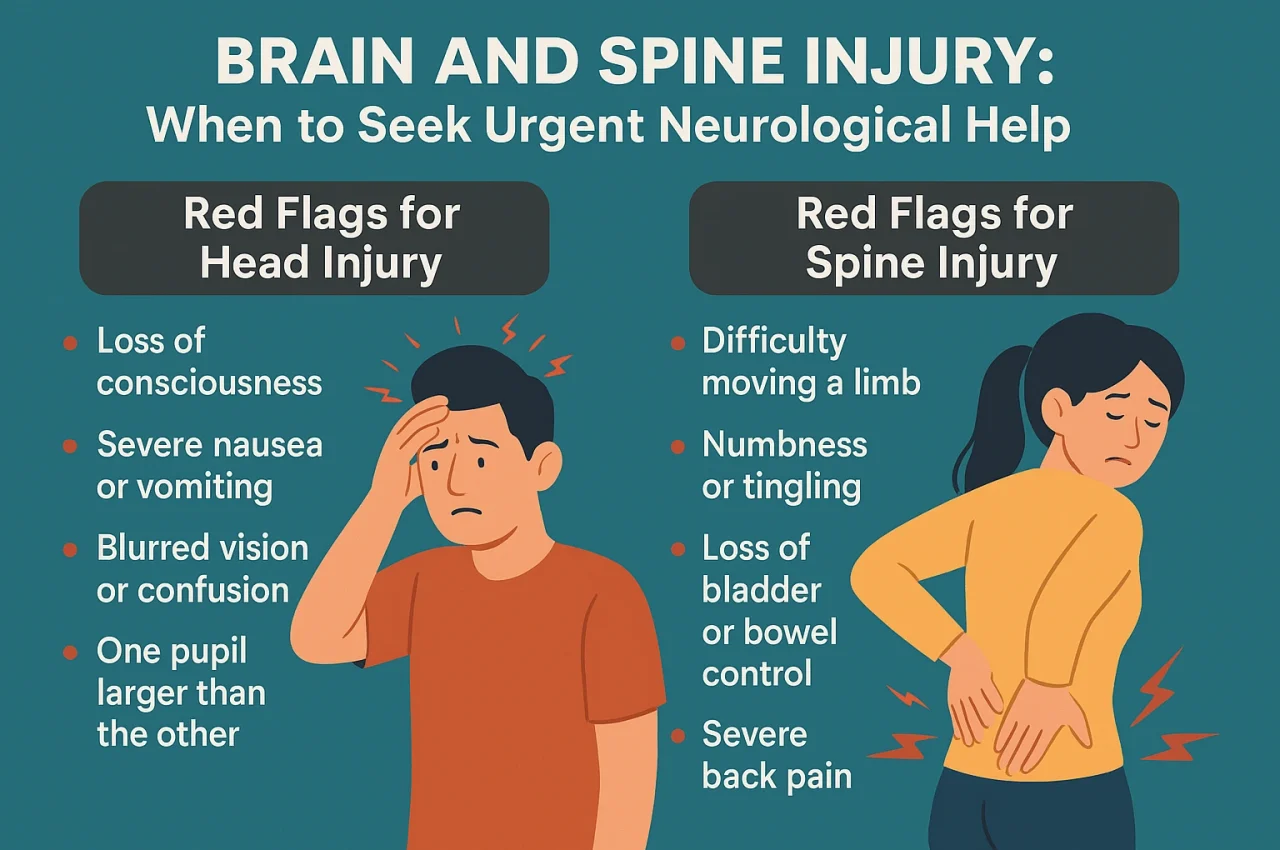
When Sciatica Needs Immediate Medical Attention
Most sciatica symptoms improve with time and the right care. But there are moments when waiting things out isn’t wise. Knowing these red flags matters, because nerve problems don’t always announce themselves loudly at first.
Medical attention becomes important if there is:
- Progressive weakness in the leg or foot, especially if lifting the foot feels difficult
- Persistent numbness that doesn’t change with position or rest
- Loss of balance or a sense that the leg may give way
- Changes in bladder or bowel control, even if they seem minor
These signs don’t automatically mean surgery is needed, but they do signal that the nerve is under more stress than it should be. Ignoring them or masking them with painkillers can delay the right intervention.
Here’s the uncomfortable part. Some people wait because the pain isn’t unbearable. Others wait because they’re afraid of what a doctor might say. Both reactions are human. Neither is helpful. Timely evaluation doesn’t escalate treatment – it often prevents it. And in sciatica pain relief in Panchkula, early clarity usually protects long-term nerve health far better than late reassurance.
When Pain Stops Making Sense, Clarity Matters
Sciatica has a way of shrinking life quietly. People hesitate before simple movements. Not because the pain is unbearable every moment, but because it feels unpredictable. Real sciatica pain relief in Panchkula doesn’t come from chasing temporary comfort. It comes from understanding why the nerve is reacting, what’s keeping it irritated, and how to let it settle properly without rushing into decisions driven by fear.
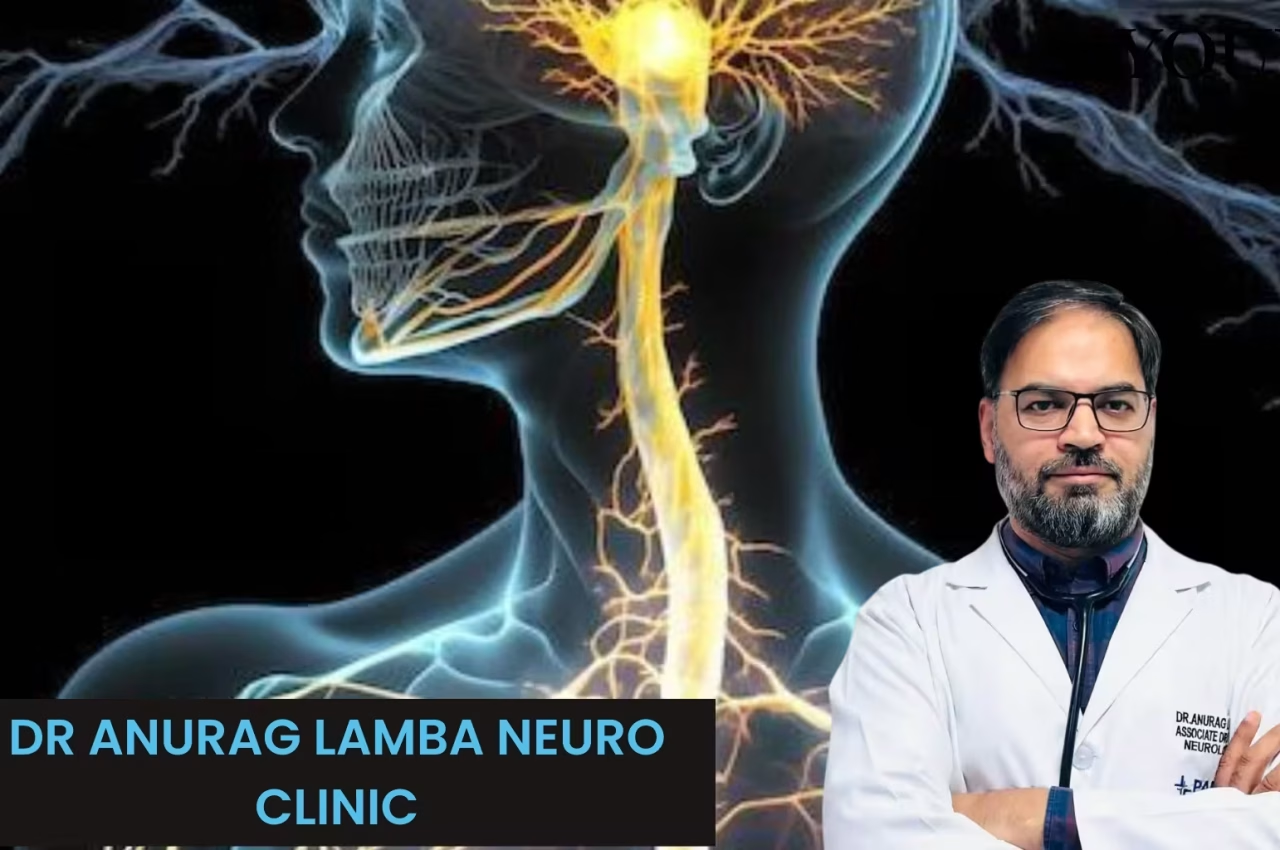
When symptoms linger, clarity matters more than guesswork. A thoughtful evaluation can often prevent months of unnecessary pain and confusion. The right guidance at the right time from a specialist such as Anurag Lamba doesn’t escalate treatment it simplifies it. Sometimes, the most effective step forward is simply choosing to understand the pain instead of enduring it.
Medical Disclaimer: This content is for general informational purposes only and does not replace professional medical advice. Diagnosis and treatment of sciatica should always be based on individual evaluation by a qualified healthcare professional. Anyone experiencing worsening symptoms, weakness, or bladder or bowel changes should seek medical care promptly.