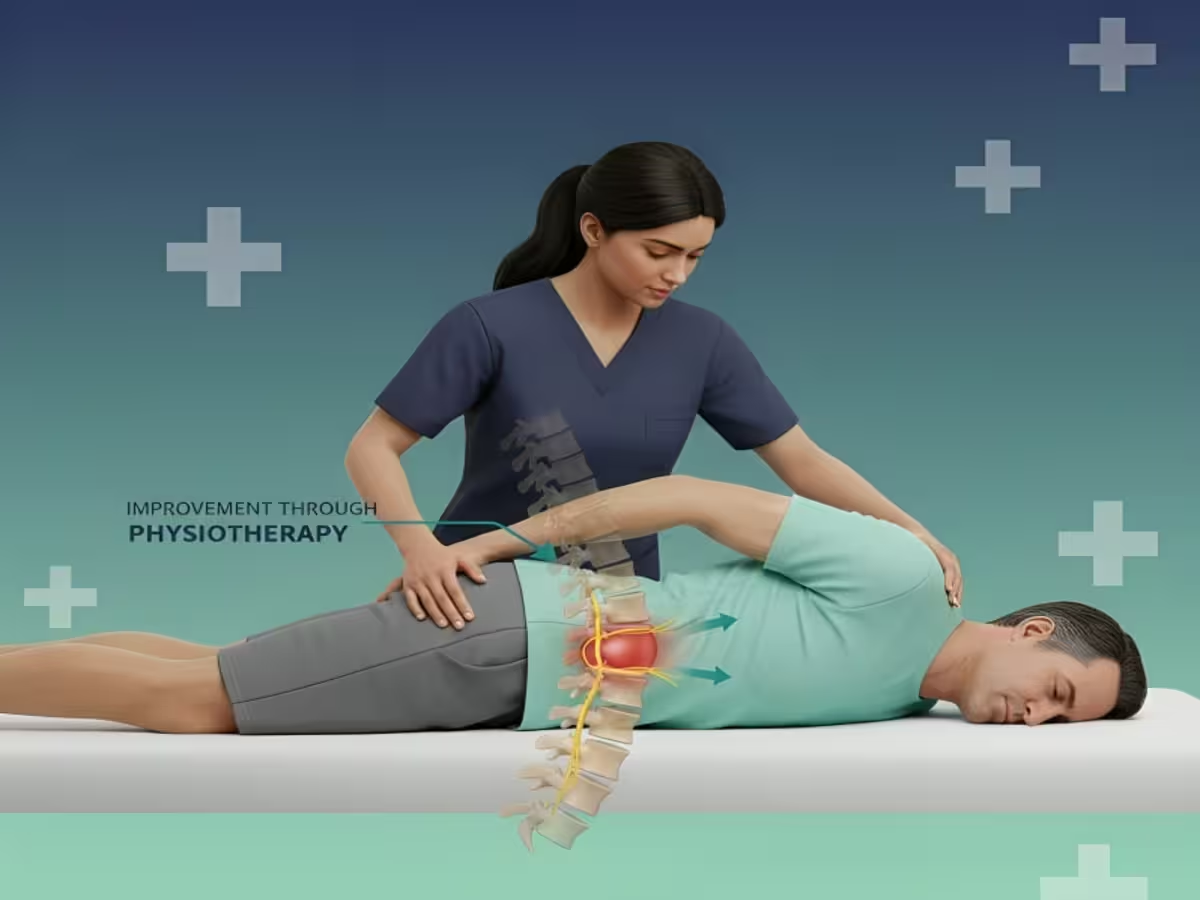
Back pain that refuses to go away can be more than just a sign of strain, it might be a slipped disc, silently compressing your spinal nerves and disrupting your daily life. For many patients, the first instinct is to pop a painkiller and push through. But here’s the truth: while medications can numb the discomfort, they rarely address the root cause of the pain.
Recent studies by the Cleveland Clinic reveal that around 1 in every 100 adults experiences a slipped or herniated disc each year, often due to poor posture or sedentary lifestyle. This growing number highlights a crucial question- is relying on temporary relief enough when your spine’s health is at stake?
That’s where physiotherapy for slipped disc comes into the picture: a scientifically proven, non-surgical slipped disc treatment approach that helps your body heal naturally. In this blog, we’ll explore why physiotherapy is increasingly considered the best treatment for slipped disc pain, and how it outperforms medication in both recovery and long-term health.
Medication for Slipped Disc Pain: Quick Fix or Hidden Risk?
When you feel that sharp pain shooting down your back, it’s tempting to reach for quick relief. Painkillers and muscle relaxants often seem like the easiest option, but while medication can help you feel better temporarily, it rarely helps your spine heal.
How Medicines Work for Disc Herniation Pain Relief
Medicines prescribed for slipped disc pain usually include NSAIDs (Non-Steroidal Anti-Inflammatory Drugs), muscle relaxants, and occasionally steroids. These reduce inflammation and calm nerve irritation, helping patients move more comfortably. However, this relief is often short-lived. The underlying disc pressure on the spinal nerve remains, which means the pain can easily return once the medication wears off.
According to a 2023 report by the National Institutes of Health, while oral steroids and NSAIDs can temporarily improve mobility, they do not prevent recurrence or strengthen spinal stability.
Medication can make you feel better today, but physiotherapy ensures you stay better tomorrow. This highlights why focusing only on painkillers can become a cycle of temporary comfort without true recovery.
The Downside of Relying Solely on Medication
Long-term dependence on pain medicines can mask symptoms rather than solve them. Extended NSAID use can also cause side effects such as stomach ulcers, kidney strain, and elevated blood pressure. A study published in The Lancet found that chronic NSAID users face up to a 40% higher risk of gastrointestinal complications compared to those using non-pharmacological pain management methods.
In addition, regular use of muscle relaxants may cause drowsiness, delayed reflexes, or even dependency. This makes medication an unreliable long-term solution for patients who wish to maintain an active lifestyle. When it comes to achieving real healing and sustained relief, patients often find that non-surgical slipped disc treatment, like physiotherapy, offers a safer, more lasting alternative.
“True recovery doesn’t come from masking the pain; it begins when we restore balance to the body,”
-Dr. Anurag Lamba, emphasising a holistic, science-driven approach to back health.
Why Physiotherapy for Slipped Disc Is Changing the Game
Physiotherapy has transformed how specialists treat slipped disc pain today. Instead of masking the symptoms, it focuses on restoring your spine’s strength, flexibility, and alignment, helping your body heal from within. This makes physiotherapy for slipped disc not just a treatment, but a long-term recovery plan designed to reduce pain, improve posture, and prevent recurrence.
The Science Behind Physiotherapy’s Healing Power
A herniated disc occurs when the inner gel-like nucleus of a spinal disc pushes out and presses on nearby nerves. While medication reduces inflammation, it doesn’t correct this mechanical issue. Physiotherapy, on the other hand, targets the root cause through specific movement therapy, nerve decompression, and muscle reconditioning techniques.
According to the American Physical Therapy Association, structured physiotherapy programs can improve mobility by up to 70% in slipped disc patients within 12 weeks of consistent sessions. This success rate has led neurologists and spine specialists to recommend physiotherapy as a core component of non-surgical slipped disc treatment.
Physiotherapy helps patients regain control of their lives without depending on painkillers or surgery. It’s where true healing begins. Such approach combines clinical neurophysiology and evidence-based physiotherapy, ensuring each patient receives a plan tailored to their specific pain pattern and spinal condition.
Non-Surgical Slipped Disc Treatment That Actually Works
The effectiveness of physiotherapy lies in its personalised nature. Under professional supervision, the program includes manual therapy, postural training, traction techniques, and strength-building exercises that not only reduce nerve pressure but also rebuild spinal support.
A research paper published in the Journal of Orthopaedic & Sports Physical Therapy found that targeted lumbar stabilisation exercises significantly decreased pain intensity and improved disc health markers in patients avoiding surgery.
This is why many experts today call physiotherapy the best treatment for slipped disc pain, it empowers patients to heal naturally while addressing the root cause of discomfort. Main goal is not just pain relief but spinal resilience which reflects the belief that recovery should restore both movement and confidence.
Proven Physiotherapy Exercises for Lasting Relief
When it comes to recovery, movement is medicine: the right kind of movement. Guided physiotherapy for slipped disc focuses on strengthening your spine and surrounding muscles, relieving nerve compression, and improving flexibility. These exercises form the foundation of a non-surgical slipped disc treatment plan that rebuilds your back from within.
Safe Slipped Disc Physiotherapy Exercises You Can Try
The key to healing lies in performing exercises that realign the spine while reducing pressure on the affected disc. Here are a few evidence-based options often recommended under supervision:
- McKenzie Extension Exercise: Designed to centralise the pain, this exercise helps shift the herniated disc away from nerve roots. A 2023 PubMed study reported that patients practising McKenzie exercises experienced a 60% faster recovery compared to those relying solely on medication.
- Pelvic Tilts: This gentle movement strengthens the lower back and core muscles, supporting proper spinal posture.
- Core Strengthening Exercises: Building core stability reduces stress on spinal discs and prevents recurrence of back pain.
- Hamstring Stretches: Tight hamstrings can worsen lower back strain. Regular stretching improves flexibility and posture.
These slipped disc physiotherapy exercises should always be done under professional supervision to prevent aggravation of the condition.
Every patient’s spine tells a different story. The right exercise can unlock relief, but the wrong one can worsen pain.
Why Supervised Back Pain Physiotherapy Yields Better Results
While at-home stretching videos may seem appealing, unsupervised routines can cause more harm than good. In-clinic back pain physiotherapy involves assessment of nerve response, muscle tension, and pain patterns, ensuring that every movement supports the healing process.
Studies published in the Journal of Back and Musculoskeletal Rehabilitation confirm that patients undergoing supervised physiotherapy report 35% fewer relapses compared to those who follow generic home-based programs.
This evidence reinforces that structured, clinician-led sessions remain the safest and best treatment for slipped disc pain, ensuring sustainable results without surgery.
Physiotherapy vs Medication: What’s Right for You?
When patients experience back pain from a herniated or slipped disc, the biggest question they face is whether to depend on medication or to opt for physiotherapy. Both paths can offer relief, but only one addresses the root cause of the pain and that’s where the difference becomes clear.
Short-Term Relief vs Long-Term Recovery
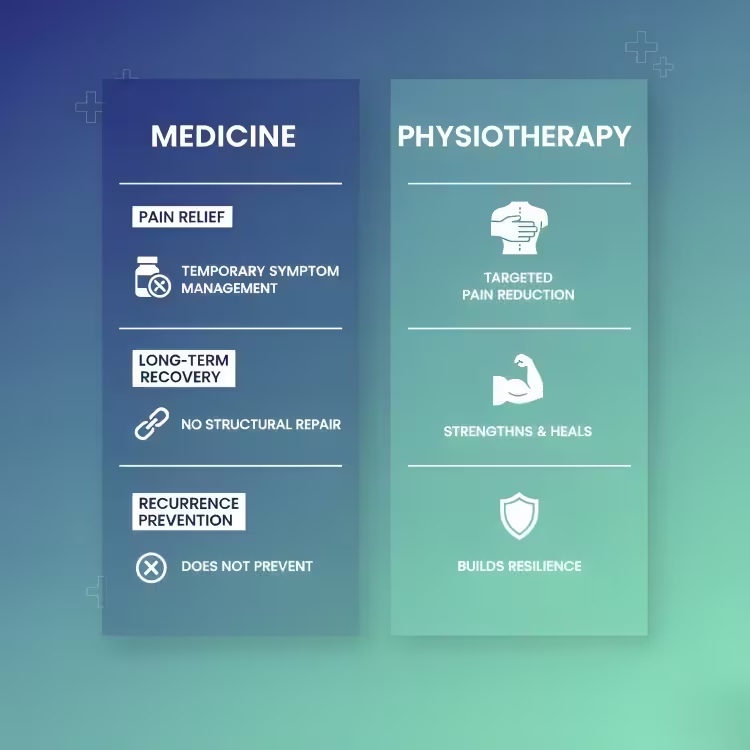
Medication offers immediate relief, particularly during acute pain episodes. Painkillers and muscle relaxants can suppress inflammation and improve comfort, allowing patients to return to daily routines temporarily. However, Painkillers calm the pain, not the problem.
In contrast, physiotherapy for slipped disc focuses on identifying what caused the pain in the first place, whether it’s poor posture, weak muscles, or nerve compression. It promotes natural healing and prevents recurrence through targeted therapy and exercises.
A clinical study published by the National Center for Biotechnology Information (NCBI) found that over 78% of patients with herniated disc pain reported sustained improvement after undergoing physiotherapy, compared to only 32% of those who relied solely on medication.
Why Non-Surgical Slipped Disc Treatment Is Gaining Global Trust
Globally, there’s been a significant shift toward non-surgical slipped disc treatment, thanks to its safety, affordability, and holistic recovery model. Physiotherapy doesn’t just stop the pain; it restores function, strength, and balance.
Medication can sometimes create dependency or side effects, while physiotherapy offers patients a path to empowerment they learn how to move, sit, and live better without fear of recurring pain. This is why specialists advocate physiotherapy as the best treatment for slipped disc pain for most mild to moderate cases.
“The goal is freedom from painkillers, surgery, and fear”
Ultimately, the best treatment approach depends on your condition’s severity and your long-term goals. For those seeking sustained recovery, physiotherapy is not just an alternative; it’s an advancement in spine care.
Benefits of Physiotherapy for Slipped Disc Patients
When it comes to long-term recovery and sustained pain relief, physiotherapy for slipped disc stands far ahead of painkillers and surgical interventions. It not only treats the symptoms but addresses the root cause of disc herniation, helping patients regain mobility, strength, and confidence in their daily lives.
Here are the key benefits of physiotherapy for slipped disc patients:
- Natural Pain Relief: Unlike medications that mask pain, physiotherapy promotes the body’s natural healing response through targeted exercises, posture correction, and spinal alignment techniques.
- Improved Mobility and Flexibility: With consistent sessions, physiotherapy enhances spinal flexibility, making everyday movements easier and pain-free. Stretching and strengthening routines are tailored to your condition, ensuring safe recovery.
- Reduced Dependence on Medication: Painkillers may provide temporary relief but come with side effects. Physiotherapy offers a non-surgical slipped disc treatment that helps you reduce or completely stop reliance on medicines over time.
- Personalised Recovery Plan: Every slipped disc case is unique. A skilled physiotherapists to design a customised plan focusing on your pain points, body type, and lifestyle.
- Long-Term Prevention: Through ergonomic guidance, posture correction, and strengthening the back and core muscles, physiotherapy ensures the problem doesn’t recur.
“The goal of physiotherapy isn’t just to stop the pain, but to empower patients to move confidently again”
In short, physiotherapy offers a holistic recovery roadmap, making it the best treatment for slipped disc pain without any side effects or surgical risks.
When to Seek Physiotherapy: Signs You Shouldn’t Ignore
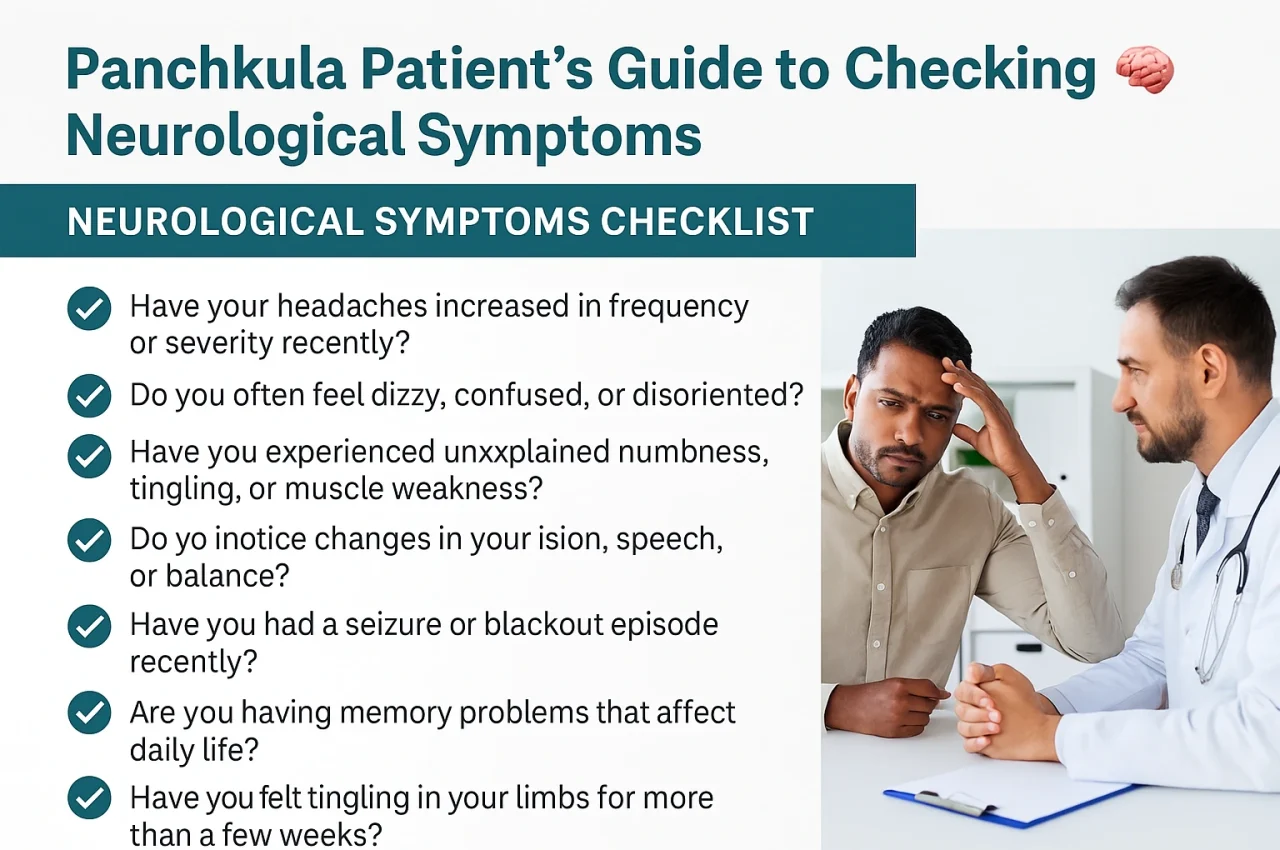
Many patients delay visiting a physiotherapist until the pain becomes unbearable but early intervention can make all the difference between temporary relief and complete recovery. Recognising the early signs of a slipped disc and starting physiotherapy for slipped disc promptly can prevent the condition from worsening and help restore spinal health naturally.
Here are the key signs that indicate it’s time to seek physiotherapy:
- Persistent Back or Neck Pain: If your back pain lasts for more than a few weeks or radiates down your arms or legs, it could be due to a herniated disc pressing on nearby nerves.
- Numbness or Tingling Sensation: A feeling of pins and needles in your lower back, buttocks, or legs indicates nerve irritation: a classic symptom that calls for non-surgical slipped disc treatment.
- Weakness in Limbs: Difficulty in lifting objects, walking long distances, or performing simple movements suggests muscle weakness caused by nerve compression.
- Pain Worsens While Sitting or Coughing: If sitting or coughing triggers sharp pain, it’s a sign that your spinal discs are under pressure, a red flag that shouldn’t be ignored.
- Limited Range of Motion: Struggling to bend, twist, or stretch comfortably may indicate your disc issue is interfering with normal spinal function, making physiotherapy crucial.
“Ignoring the early signs often turns a manageable slipped disc into a chronic condition, Timely physiotherapy not only relieves pain but prevents long-term nerve damage.”
So, if you notice these symptoms, don’t wait. Early physiotherapy sessions can realign your spine, relieve nerve pressure, and help you regain mobility before the condition worsens, making it the best treatment for slipped disc pain without relying on medicines or surgery.
Expert Opinion on Sustainable Healing
When it comes to slipped disc treatment without surgery, few voices carry as much weight as Dr. Anurag Lamba, one of North India’s leading neurologists and neurospine specialists. His philosophy revolves around one simple truth, real healing doesn’t come from suppressing pain; it comes from restoring function.
Pain relief is only the first step. True recovery happens when the patient’s spine regains its natural alignment, flexibility, and strength. Physiotherapy achieves this holistically, while medicines only mute the signal of what’s wrong.
Why Neurologists Advocates Physiotherapy for Slipped Disc
Neurologists explains that every patient’s spine condition is unique, and customised physiotherapy, involving targeted exercises, manual therapy, and posture correction, addresses the root cause of disc compression.
By improving core stability, nerve mobility, and muscular support, patients can recover without needing invasive surgery or long-term medication. With consistent physiotherapy and guided exercises, we can help over 80% of patients avoid surgery. It’s not just about curing pain, it’s about preventing recurrence and giving people their independence back.
Sustainable Healing: A Long-Term Vision
Physiotherapy doesn’t just heal the slipped disc, it also helps maintain spinal health for life. Regular movement therapy, ergonomic adjustments, and core strengthening create a strong foundation against future flare-ups.
“When patients actively participate in their recovery, the results are always more sustainable. The body is capable of extraordinary healing, it just needs the right guidance.”
When to Seek Medical Help Immediately
While physiotherapy is often the best treatment for slipped disc pain, there are moments when medical intervention becomes absolutely critical. Ignoring red flags can lead to worsening nerve compression or even permanent damage, something that early diagnosis could easily prevent.
Here are the signs that demand immediate consultation with a neurologist like Dr. Anurag Lamba:
1. Sudden Loss of Bladder or Bowel Control
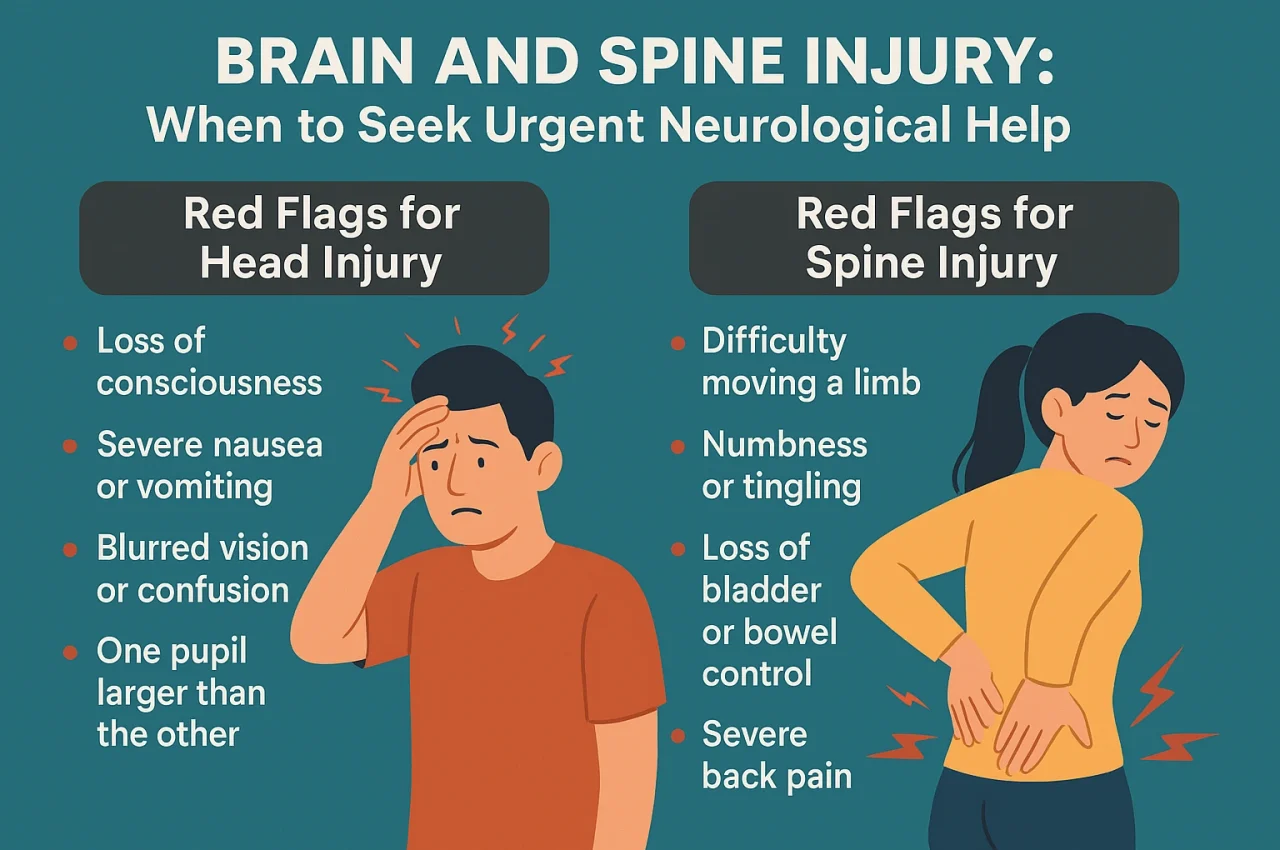
If you experience difficulty controlling urination or bowel movements, it could indicate cauda equina syndrome, a rare but serious condition caused by extreme nerve compression. This is a medical emergency and requires urgent attention.
2. Numbness or Tingling in the Legs or Groin Area
Tingling, burning, or loss of sensation, especially around the inner thighs, buttocks, or legs may mean that a spinal nerve is being severely pinched. Immediate neurological assessment is crucial to prevent lasting nerve damage.
3. Weakness or Loss of Coordination
If your leg or arm suddenly feels weak, or you find it difficult to stand, walk, or grip objects, it’s time to stop self-medicating. This may suggest worsening disc herniation or nerve compression that can’t be reversed without prompt medical care.
4. Severe, Unrelenting Pain
Pain that persists despite rest, physiotherapy, or medication could signal that your condition has progressed beyond the conservative stage. Consulting a specialist early ensures the right balance between non-surgical slipped disc treatment and advanced care.
Conclusion: The Smarter, Safer Path to Healing
When it comes to relieving pain, restoring mobility, and preventing recurrence, physiotherapy for slipped disc outperforms medication on every level. While painkillers may offer temporary comfort, physiotherapy treats the root cause, helping your spine regain strength, flexibility, and balance.
A structured and non-surgical slipped disc treatment plan under expert supervision not only reduces pain but also empowers patients to take control of their recovery. As countless success stories show, the right combination of guided exercises, lifestyle changes, and consistent care can transform pain into progress.
The goal isn’t just to stop pain, it’s to restore freedom of movement and confidence in your body, With the right approach, healing truly becomes a sustainable reality.
So, if you’re searching for the best treatment for slipped disc pain, remember recovery starts with the right step, not the quickest fix.
Medical Disclaimer
This blog is intended for educational purposes only and should not be taken as medical advice. Always consult a qualified healthcare professional before starting or altering any treatment plan. Results may vary based on individual conditions and adherence to therapy.